

Urinary Tract Infections (UTIs) occur when bacteria, often E. coli (Escherichia coli), enter and multiply in the urinary system, affecting the bladder, urethra, or kidneys. They are common in women but can affect anyone. While antibiotics treat infections, prevention through natural methods such as natural remedies to prevent urinary tract infections is safer and more sustainable. Understanding natural UTI prevention helps maintain urinary health and reduce recurrence without overusing medications.
Key Takeaways
- Drink plenty of water daily to flush out bacteria from the urinary tract.
- Maintain good hygiene by wiping front to back and avoiding harsh soaps around the genital area.
- Include cranberry juice or extract, probiotics, and vitamin C in your diet to help prevent bacterial growth.
- Avoid holding urine for long periods and regular urination keeps the bladder clear.
- Wear breathable cotton underwear and avoid tight clothing to reduce bacterial moisture buildup.
- Practice post intercourse urination to eliminate bacteria introduced during sexual activity.
- Manage stress and support immunity through a balanced diet and sufficient rest.
What Urinary Tract Infection (UTI) Means

A Urinary Tract Infection (UTI) happens when harmful bacteria, usually Escherichia coli (E. coli) from the digestive tract, enter the urinary system. This system includes the kidneys, bladder, urethra and urethra, the organs that make and remove urine from the body. When bacteria multiply in these areas, they cause irritation, pain, and inflammation.
There are two main types of UTIs:
- Lower UTI (Cystitis or Urethritis): Affects the bladder or urethra and causes symptoms like burning during urination, frequent urges to urinate, and cloudy urine.
- Upper UTI (Pyelonephritis): Affects the kidneys and is more serious. It may cause fever, back pain, nausea, and chills.
UTIs are common, especially in women due to their shorter urethra, which allows bacteria easier access to the bladder. Men, older adults, and people with diabetes or weak immune systems are also at risk.
Who Is at Risk and Why

Urinary Tract Infections (UTIs) can affect anyone, but certain groups are more vulnerable due to biological, lifestyle, or medical factors. Understanding who is at higher risk helps with early prevention and proper care.
- Women: Women are significantly more prone to UTIs because of their shorter urethra, which allows bacteria easier access to the bladder. Hormonal changes during menstruation, pregnancy, or menopause can also alter the vaginal pH and natural flora, increasing infection risk.
- Sexually Active Individuals: Frequent sexual activity can introduce bacteria into the urinary tract, especially if proper hygiene isn’t followed. Using diaphragms, spermicides, or unlubricated condoms can also irritate tissues and raise infection chances.
- Pregnant Women: Pregnancy causes hormonal shifts and bladder compression, which slow urine flow and make bacterial growth more likely. Untreated UTIs during pregnancy can lead to kidney infections or complications like preterm labor.
- Older Adults: Aging weakens the immune system and often leads to incomplete bladder emptying. Post menopausal women experience lower estrogen levels, reducing natural bacterial protection in the urinary tract.
- People with Diabetes: High blood sugar encourages bacterial growth and makes the immune system less effective. Diabetics may also have nerve damage that affects bladder emptying, allowing bacteria to multiply and cause infections.
- Individuals with Urinary Catheters or Structural Abnormalities: Catheters create a direct pathway for bacteria to enter the bladder. Structural issues like kidney stones or an enlarged prostate can block urine flow, trapping bacteria and leading to recurrent infections.
- Those with Weak Immune Systems: People undergoing chemotherapy, transplant recipients, or those with chronic diseases have reduced infection resistance. A weakened immune system allows bacteria to spread faster and cause more severe UTIs.
Urinary Health Fundamentals You Must Know
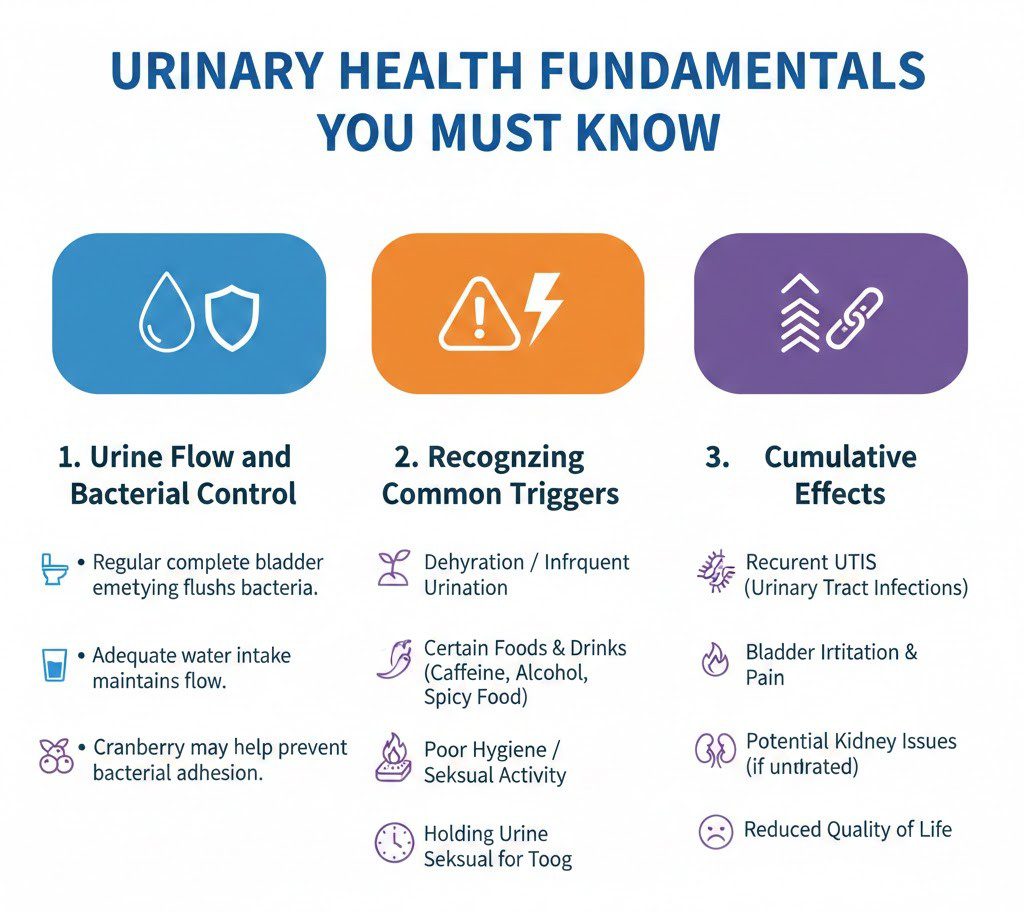
Understanding how your urinary system functions helps in preventing infections and maintaining long term bladder health:
- Urine Flow and Bacterial Control
The urinary system naturally flushes out bacteria each time you urinate. When urine flow slows or is retained too long, bacteria have time to multiply, increasing infection risk. Proper hydration and regular urination keep the system clean and balanced.
- Recognizing Common Triggers
UTIs often develop due to simple but preventable factors such as:
- Poor hygiene or wiping back to front.
- Holding urine for long periods.
- Dehydration or low water intake.
- Sexual activity without proper hygiene.
- Use of irritating products like harsh soaps or sprays in the genital area.
- Cumulative Effects
Repeated or untreated infections can weaken the bladder lining, reduce kidney function, and increase antibiotic resistance. Preventive habits like drinking enough fluids, practicing safe hygiene, and managing diet help preserve urinary tract health over time.
Common Risk Factors of UTIs
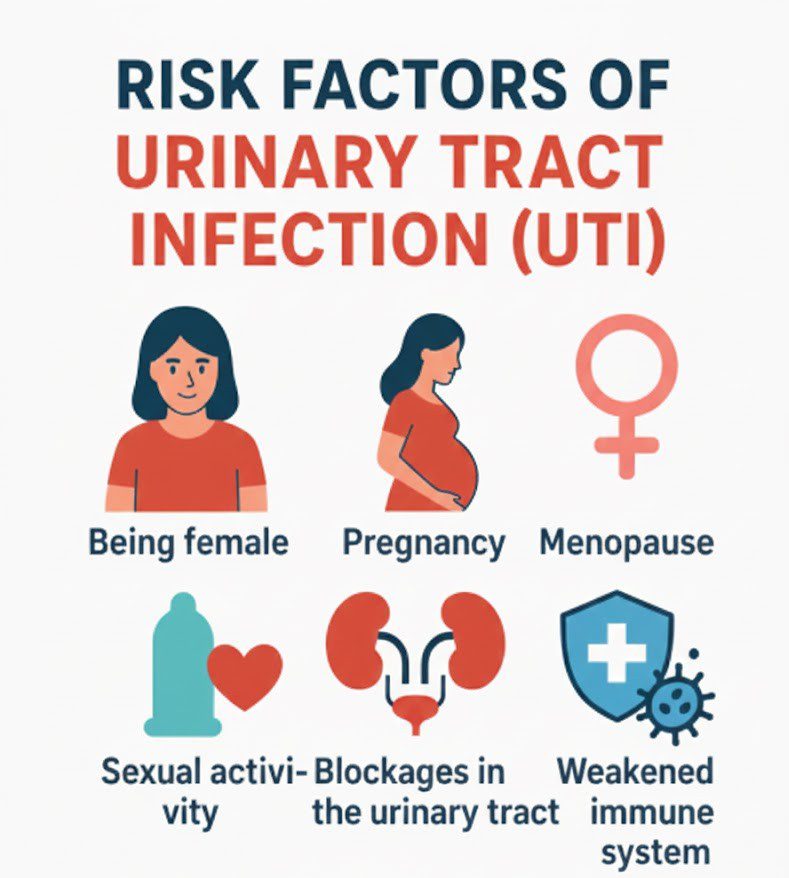
Urinary tract infections (UTIs) can develop due to several daily habits, lifestyle choices, or medical factors. Understanding these risks can help you take preventive steps early and maintain a healthier urinary system.
- Dehydration or Low Fluid Intake: Insufficient water reduces urine flow, allowing bacteria to accumulate in the urinary tract.
- Excessive Sugar and Processed Foods: High sugar intake promotes bacterial growth and inflammation, increasing susceptibility to infections.
- Certain Medications: Antibiotics, immunosuppressants, or long term catheter use can disrupt natural urinary tract defenses. Discuss any medication risks with your doctor.
- Sexual Activity: Can introduce bacteria into the urinary tract, especially without proper hygiene.
- Personal Hygiene and Irritants: Harsh soaps, douches, or synthetic underwear can irritate the urinary tract and disturb natural bacterial balance.
- Specific Contraceptives or Devices: Diaphragms, spermicides, or urinary catheters may increase infection risk.
5 Natural Remedies to Prevent Urinary Tract Infections
UTIs can often be prevented with simple, consistent habits that support urinary system health and reduce bacterial buildup. Here are proven natural strategies to keep your bladder and kidneys healthy:
Stay Hydrated and Flush Regularly

Water is your body’s natural defense against infection.
- Drink at least 6-8 glasses of water daily to help flush bacteria from the urinary tract.
- Avoid holding urine for long periods, frequent urination keeps the bladder clean.
- Herbal teas such as chamomile or dandelion can also support gentle cleansing.
Maintain Proper Hygiene
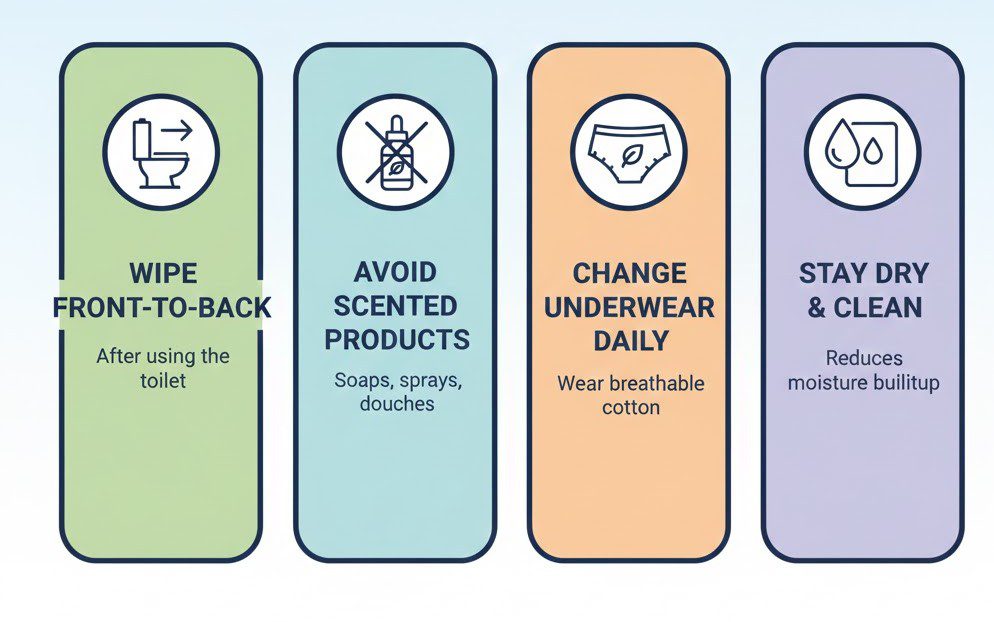
Clean habits prevent bacteria from entering the urinary tract.
- Always wipe from front to back after using the toilet.
- Avoid using scented soaps, sprays, or douches around the genital area.
- Change underwear daily and wear breathable cotton fabrics to reduce moisture buildup.
- Urinate after sexual activity to help remove bacteria that may have entered the urethra.
Support Your Body with the Right Nutrition

Diet plays an important role in preventing infections naturally.
- Include cranberries or cranberry extract, which may help prevent bacteria from adhering to bladder walls.
- Eat probiotic rich foods like yogurt, kefir, or fermented vegetables to maintain healthy bacterial balance.
- Add vitamin C rich foods (oranges, kiwis, bell peppers) to acidify urine and reduce bacterial growth.
- Limit sugary and processed foods that can fuel bacterial infections.
Strengthen Immunity and Manage Lifestyle Factors

A healthy immune system defends your urinary tract more effectively.
- Get enough sleep (7–8 hours per night) to support natural defense mechanisms.
- Manage stress with yoga, meditation, or light exercise to lower cortisol levels that can weaken immunity.
- Avoid smoking and excessive alcohol, which can irritate the bladder and suppress immune response.
Monitor Early Symptoms and Get Checkups
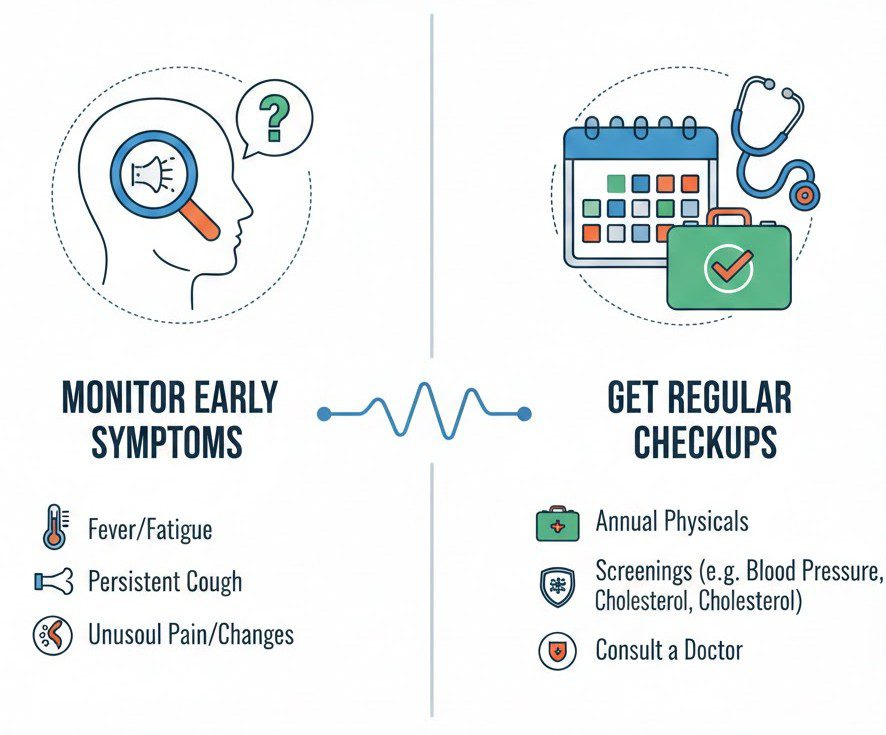
Early attention can prevent minor irritation from becoming a full infection.
- Watch for signs like burning sensation, cloudy urine, frequent urges, or pelvic discomfort.
- If you’re prone to recurrent infections, discuss preventive options with your doctor.
- Routine checkups can detect underlying causes like kidney stones, hormonal changes, or bladder issues early.
Lifestyle and Urinary Tract Health
A healthy lifestyle supports urinary tract function, helping prevent infections and maintain overall bladder and kidney health.
- Why Hydration Matters: Drinking enough water flushes bacteria from the urinary tract and prevents them from adhering to the bladder walls. Adequate fluid intake also supports kidney function and toxin removal.
- Diet and Immune Support: Foods rich in vitamin C, probiotics, and antioxidants strengthen immunity and reduce the risk of infections. Limiting sugar and processed foods decreases bacterial growth in the urinary tract.
- Blood Sugar and Chronic Conditions: Uncontrolled diabetes or metabolic issues increase susceptibility to UTIs. Managing blood sugar, blood pressure, and maintaining a healthy weight helps protect urinary tract health.
- Everyday Lifestyle Choices: Regular exercise improves circulation and immune function, stress management reduces cortisol levels that may impair immunity, and sufficient sleep allows the body to repair and defend against infections naturally.
Kids, Teens, and Young Adults: Start Early
Developing healthy urinary habits from a young age is one of the best ways to prevent urinary tract infections later in life. Teaching proper hydration, hygiene, and lifestyle routines helps strengthen the body’s natural defenses against infections.
- Promote Hydration: Encourage regular water intake to flush bacteria and maintain healthy urine flow.
- Limit Sugary and Processed Foods: Reduce sugary drinks and snacks that can promote bacterial growth.
- Encourage Physical Activity: Regular exercise supports immune function and overall urinary tract health.
- Practice Safe Hygiene: Teach proper wiping, breathable underwear, and avoiding harsh soaps or douches.
Older Adults: Preserve Urinary Tract Health
As people age, the immune system weakens and hormonal or medical changes can make UTIs more common. Being proactive about monitoring symptoms and maintaining healthy routines can prevent complications and improve overall urinary wellness.
- Monitor Symptoms: Keep track of urinary changes, frequency, or discomfort to detect infections early.
- Maintain Diet, Sleep, and Exercise: Adequate nutrition, hydration, and activity help immunity and prevent UTIs.
- Manage Medications and Devices: Discuss any drugs, catheters, or contraceptives that may increase infection risk with a healthcare provider.
- Support Preventive Habits: Maintain regular hygiene, consider probiotic rich foods, and stay hydrated to minimize infection risk.
Myth Busting and Red Flags
Many people experience UTIs repeatedly without realizing lifestyle, hydration, and certain habits play a major role. Understanding common misconceptions and recognizing early warning signs can help prevent infections and maintain urinary tract health.
Common Myths
There are several misunderstandings about UTIs that can delay treatment or increase recurrence. Knowing the truth helps protect your urinary health.
- “Only women get UTIs.”
False. While women are more prone due to anatomy, men can also develop UTIs, especially with underlying conditions like prostate issues or diabetes. - “If it doesn’t hurt, everything is fine.”
Incorrect. UTIs can start silently with mild or no symptoms, but still cause kidney damage if untreated. - “Drinking cranberry juice alone prevents UTIs.”
Not entirely true. Cranberry may help prevent bacterial adhesion, but hydration, hygiene, and proper medical care are essential for prevention. - “Frequent urination always means infection.”
False. Increased urination can have many causes such as diabetes, medications, or caffeine intake. Only testing can confirm a UTI.
Signs You Should Pay Attention To
Certain symptoms indicate a possible urinary tract infection and warrant attention:
- Burning, stinging, or discomfort during urination.
- Sudden increase in urinary frequency or urgency, often with small amounts.
- Cloudy, foul smelling, or blood tinged urine.
- Lower abdominal pain, pressure, or mild fever.
- Recurrent symptoms after recent antibiotics or during high risk periods (post menstruation, pregnancy, or illness).
When to Seek Help
Timely medical attention can prevent serious complications and recurring infections. Seek help if you notice:
- Persistent or worsening urinary symptoms that do not improve with hydration or home remedies.
- Recurrent infections, especially more than two UTIs in six months or three in a year.
- Fever, flank pain, nausea, or vomiting, which could indicate kidney involvement.
- Early intervention can prevent complications such as kidney infections or chronic urinary issues.
Conclusion
Urinary Tract Infections (UTIs), most often caused by E. coli entering the urinary system, are common especially in women but can affect anyone, and natural prevention focuses on habits that keep the urinary tract clean and bacteria free. Drinking plenty of water, practicing proper hygiene, urinating regularly (especially after sex), wearing breathable clothing, and avoiding irritants help reduce bacterial buildup. Nutrition also plays a key role: cranberries, probiotics, and vitamin C support urinary health, while excess sugar and processed foods increase risk. Factors like pregnancy, diabetes, aging, sexual activity, weakened immunity, and catheter use raise susceptibility, making early symptom awareness and timely medical care essential for preventing complications and recurrent infections.
FAQs
What causes a UTI?
A UTI occurs when bacteria most commonly E. coli from the digestive tract enter the urinary system and start multiplying. This can happen due to poor hygiene, dehydration, sexual activity, or holding urine for too long. Women are more prone because their urethra is shorter, allowing bacteria to reach the bladder more easily.
Can UTIs really be prevented naturally?
Yes, many UTIs can be prevented through consistent daily habits that protect and cleanse the urinary tract. Hydration, good hygiene, regular urination, and choosing the right foods all help reduce bacterial growth. These natural methods lower infection risk without relying heavily on antibiotics.
How does drinking water help prevent infections?
Drinking plenty of water increases urine flow, which physically flushes bacteria out of the urinary tract before they can multiply. It also keeps urine dilute and less irritating to the bladder lining. Staying hydrated is one of the simplest and most effective preventative steps.
Does cranberry juice or supplements work?
Cranberries contain compounds that make it harder for bacteria to stick to bladder walls, reducing the chance of infection. They don’t cure existing UTIs, but they can help prevent recurrence when used consistently. Unsweetened cranberry juice or supplements work best.
What role do probiotics play in UTI prevention?
Probiotics support the body’s “good” bacteria, which helps maintain balance in the gut and urinary tract. This healthy balance reduces the growth of harmful bacteria that cause infections. Foods like yogurt, kefir, and fermented vegetables, or probiotic supplements, can all be helpful.
Why is proper hygiene important, especially wiping front to back?
Wiping from front to back prevents bacteria from the rectal area from spreading toward the urethra. This simple habit greatly lowers the risk of infections, especially in women and children. Avoiding harsh soaps or scented products also helps prevent irritation and bacterial imbalance.
How does sexual activity contribute to UTIs?
Sexual intercourse can push bacteria into the urethra, increasing the risk of infection. Urinating after sex helps flush these bacteria out before they can multiply. Maintaining good hygiene before and after intercourse and using adequate lubrication can also reduce risk.
Which foods support urinary tract health?
Cranberries, vitamin C–rich fruits, and probiotic foods help maintain a healthy urinary environment. Vitamin C makes urine slightly more acidic, discouraging bacterial growth. Limiting sugary, processed, and high carb foods is equally important, as they can feed harmful bacteria.
Who is most at risk for frequent UTIs?
Women, older adults, sexually active individuals, and those with diabetes are more likely to develop infections. People with catheters, kidney stones, or weakened immunity are also at higher risk. Hormonal changes during pregnancy or menopause further increase susceptibility.
What early symptoms should I watch for?
Burning or pain while urinating, frequent urges to pee, cloudy or foul smelling urine, and lower abdominal pressure are common early signs. Some may also experience mild fever or discomfort in the pelvic area. Recognizing symptoms early helps prevent more serious infections.
When should I seek medical help instead of using natural remedies?
See a doctor if symptoms worsen, don’t improve in 1-2 days, or if you develop fever, flank pain, nausea, or vomiting. These can signal a kidney infection, which requires urgent treatment. Frequent UTIs two in six months or three in a year also need professional evaluation.
Can children and older adults get UTIs too?
Yes, UTIs are common at both ends of age. Children may get them due to hygiene habits or dehydration, while older adults often experience them due to weak immunity, hormonal changes, or incomplete bladder emptying. Early detection and good daily habits are key for both groups.
References
- Urinary tract infections (UTIs). (n.d.). NHS. Retrieved November 27, 2025, from https://www.nhs.uk/conditions/urinary-tract-infections-utis/
- Urinary Tract Infection (UTI): Causes, Symptoms & Treatment. (n.d.). Cleveland Clinic. Retrieved November 27, 2025, from https://my.clevelandclinic.org/health/diseases/9135-urinary-tract-infections
- Urinary tract infection (UTI) – Symptoms and causes. (2025, September 26). Mayo Clinic. Retrieved November 27, 2025, from https://www.mayoclinic.org/diseases-conditions/urinary-tract-infection/symptoms-causes/syc-20353447
- Urinary Tract Infection (UTI): Symptoms, Diagnosis & Treatment. (n.d.). Urology Care Foundation. Retrieved November 27, 2025, from https://www.urologyhealth.org/urology-a-z/u/urinary-tract-infections-in-adults

Eryn Ellison is a PharmD with 8 years in hospital and ambulatory care. A graduate of the UNC Eshelman School of Pharmacy (2017), Eryn completed a PGY-1 Pharmacy Residency at Cleveland Clinic and holds BCPS certification from the Board of Pharmacy Specialties. They evaluate supplement efficacy, safety, and interactions with common prescriptions. Eryn has authored formulary reviews for P&T committees and consults on deprescribing protocols within large health systems. Credentials: state pharmacist license, BCPS ID, and professional profiles.