
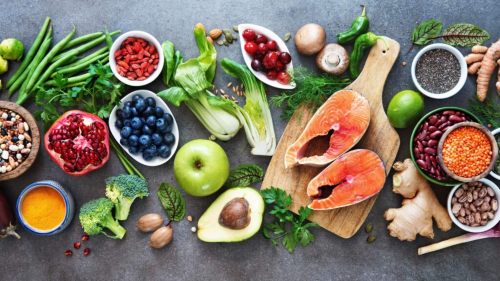
Maintaining steady blood sugar is vital for energy, metabolic health, and preventing diabetes. Certain nutrient-dense foods Foods That Help Maintain Blood Sugar Levels, slowing sugar absorption and improving insulin function. This article reveals 9 powerful foods to keep your blood sugar balanced naturally.
Key Takeaways
- Leafy greens, beans, and nuts offer fiber and magnesium crucial for regulating blood glucose.
- Whole grains and oats digest slowly, stabilizing energy and preventing spikes.
- Berries provide antioxidants that improve insulin sensitivity and reduce inflammation.
- Fatty fish supply omega-3 fats that enhance insulin response and decrease metabolic stress.
- Cinnamon supports better fasting glucose and insulin effectiveness.
- Balanced meals with protein, fiber, and healthy fats enhance glucose control.
- Avoid processed foods, excess sugar, and alcohol to prevent blood sugar disturbances.
- Regular activity, hydration, and good sleep reinforce metabolic balance.
How Blood Sugar Works and Why It Matters
Blood sugar, or glucose, fuels the body’s cells. After eating, carbohydrates break down to glucose, which enters the bloodstream. Insulin helps cells absorb glucose, maintaining balanced energy. Poor insulin function or quick sugar spikes can cause fatigue, weight gain, and health risks. Nutrient-rich foods slow glucose absorption and improve insulin sensitivity, supporting long-term metabolic health.
9 Foods To Maintain Blood Sugar Levels Naturally
This article explores nine key foods with strong evidence for their benefits in naturally stabilizing blood sugar. Beyond their macronutrient content of fiber, protein, and healthy fats that slow digestion and glucose release, these foods are rich in vitamins, minerals, and antioxidants that support insulin function and reduce inflammation. Balanced meals with these ingredients also encourage satiety and reduce cravings, further protecting blood sugar balance and metabolic health.
1. Leafy Greens: Nature’s Blood Sugar Regulators
Leafy greens such as spinach, kale, collards, swiss chard, and lettuce are among the most nutrient-dense foods available for blood sugar control. They are:
- Low in carbohydrates –their minimal carb content means they have little direct impact on blood sugar levels, making them ideal for blood sugar management.
- High in fiber –the dietary fiber in leafy greens slows down the digestion and absorption of carbohydrates from the meal, which prevents rapid spikes in blood glucose.
- Rich in magnesium –magnesium is a crucial mineral that supports insulin signaling and glucose uptake into cells. Many people with insulin resistance are magnesium deficient.
- Packed with antioxidants –vitamins such as vitamin C, beta-carotene, and various phytochemicals in leafy greens fight chronic inflammation and oxidative stress, factors linked to insulin resistance.
- Low calorie and filling –their bulk and fiber content promote fullness without excess calories, supporting weight management, which further improves blood sugar control.
Clinical studies suggest that people who regularly consume leafy greens tend to have better insulin sensitivity and lower risk of type 2 diabetes. Adding generous servings of raw or cooked leafy greens into meals, salads, smoothies, or as side dishes is an effective way to harness their metabolic benefits.
2. Beans and Legumes: Slow-Release Carbohydrates for Glucose Stability
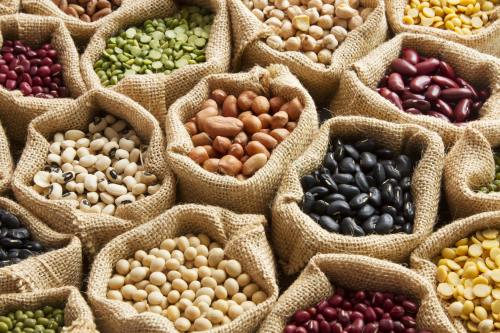
Beans, lentils, chickpeas, kidney beans, and other legumes are excellent whole food sources combining fiber, plant protein, and complex carbohydrates with a low glycemic index. Their benefits include:
- Soluble fiber slows digestion –the high soluble fiber content in legumes forms a gel-like substance in the gut that delays the breakdown and absorption of carbohydrates, leading to smaller and steadier rises in blood sugar after meals.
- Plant protein enhances satiety –protein stimulates the release of hormones that promote fullness, reducing overeating and subsequent blood sugar spikes.
- Improved gut health –legumes promote healthy gut bacteria that influence glucose metabolism and insulin sensitivity.
- Evidence in type 2 diabetes –research shows regular legume consumption improves fasting blood glucose, hemoglobin A1c, and insulin levels in people with type 2 diabetes over weeks to months.
Statistically significant results show that eating legumes regularly for at least six weeks can improve several markers of blood sugar control. Incorporating legumes into soups, stews, salads, or as side dishes a few times per week is a balancing and nourishing choice for glucose health.
3. Oats: Heart-Healthy Blood Sugar Stabilizers
Oats shine as a whole grain that supports blood sugar stability through:
- Beta-glucan fiber –this soluble fiber increases intestinal content viscosity, slowing carbohydrate digestion and glucose absorption. Beta-glucan also delays gastric emptying, leading to prolonged satiety.
- Improved insulin sensitivity –clinical trials report significant reductions in fasting insulin concentrations and postprandial blood sugar after oat consumption.
- Cholesterol reduction –oats help improve cardiovascular risk factors often associated with metabolic syndrome and diabetes.
- Sustainable energy –oats tend to provide slow-releasing carbohydrates that avoid energy crashes.
Enjoying oats as traditional oatmeal, added in smoothies, or in homemade snacks can deliver these benefits. Evidence supports both low and high doses of oat beta-glucan are effective, making moderate oat intake an ideal part of balanced meals for glucose regulation.
4. Nuts and Seeds: Nutrient-Dense Metabolic Boosters
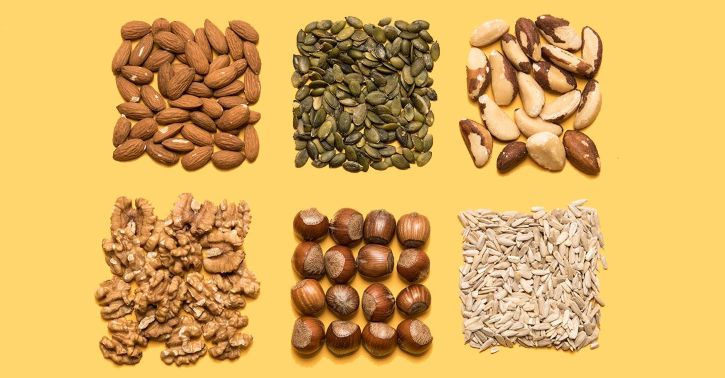
Nuts (almonds, walnuts, pistachios) and seeds (chia, flaxseeds) provide a rich combination of fiber, plant protein, and healthy fats that aid blood sugar control by:
- Slowing carbohydrate absorption –healthy fats and fiber delay digestion, mitigating sharp blood sugar rises post-meal.
- Enhancing insulin sensitivity -nuts contain antioxidants, phytates, and phenolic compounds thought to improve insulin signaling and reduce inflammation.
- Supporting satiety –protein and fats reduce hunger and help control appetite.
- Cardiometabolic benefits –nut consumption is associated with better markers of glucose homeostasis including fasting blood glucose, insulin, and HbA1c, even when adjusting for weight and body fat.
Research reveals dose-dependent improvements in glycemic response when nuts are included with carbohydrate-rich meals. Snacking on a handful of nuts or adding them to yogurt and salads supports smooth glucose control and metabolic health.
5. Berries: Antioxidant-Rich Sweeteners for Insulin Health
Berries such as blueberries, strawberries, and raspberries are unique fruits foods that help maintain blood sugar levels with a minimal glycemic impact. Their advantages include:
- High antioxidant content –particularly anthocyanins and polyphenols that reduce oxidative stress, a contributor to insulin resistance.
- Low glycemic index –natural sugars in berries are balanced by fiber, resulting in slow glucose absorption.
- Improved insulin sensitivity –clinical studies show eating berries with carbohydrate meals reduces insulin levels significantly.
- Anti-inflammatory effects –antioxidants in berries lower systemic inflammation linked to poor glucose metabolism.
6. Whole Grains: Balanced Energy Providers
Whole grains such as quinoa, brown rice, barley, bulgur, and whole wheat are complex carbohydrate sources that help regulate blood sugar by:
- Providing slow-digesting carbohydrates -Their high fiber content, particularly insoluble fiber, slows starch digestion and glucose absorption. This results in a gradual and steady rise in blood sugar rather than rapid spikes.
- Supporting fullness and reduced overeating -The fiber in whole grains promotes satiety, assisting weight management and reducing the risk of blood sugar fluctuations from overeating.
- Supplying essential nutrients -Whole grains are rich in B vitamins, magnesium, and trace minerals that support carbohydrate metabolism and insulin function.
- Improving metabolic markers -Studies link whole grain intake with reduced risk of type 2 diabetes, improved insulin sensitivity, and better lipid profiles, likely due to their combined nutrient and fiber content.
Regularly substituting refined grains with whole grains in meals helps maintain consistent energy levels and promotes healthier blood sugar through a combination of slower digestion and enhanced nutrient support.
7. Greek Yogurt: Protein-Rich Glucose Moderator
Greek yogurt is distinguished by its thick texture and higher protein content compared to regular yogurt. Its benefits for blood sugar regulation include:
- High protein content -Protein slows gastric emptying and carbohydrate digestion, resulting in a more gradual rise in blood glucose after a meal.
- Probiotic effects -The beneficial bacteria in Greek yogurt enhance gut health, which influences glucose absorption and insulin sensitivity.
- Craving control -Protein-rich foods like Greek yogurt increase satiety and help reduce cravings that could lead to blood sugar spikes.
- Low carbohydrate content -Plain, unsweetened Greek yogurt has a minimal impact on blood sugar and can be combined with fiber-rich fruits and nuts for balanced meals.
8. Fatty Fish: Anti-Inflammatory Insulin Enhancers
Fatty fish such as salmon, sardines, mackerel, and trout are excellent sources of omega-3 fatty acids EPA and DHA. Their contributions to blood sugar regulation involve:
- Reducing inflammation -Omega-3s decrease systemic inflammation, a key factor in insulin resistance and metabolic dysfunction.
- Enhancing insulin sensitivity -Research indicates omega-3s improve cell membrane function and insulin receptor activity, promoting better glucose uptake by cells.
- Providing high-quality protein -Protein contributes to satiety and regulates appetite, preventing overeating and subsequent glucose spikes.
- Cardiovascular benefits -Fish consumption improves lipid profiles and reduces risks associated with metabolic syndrome and diabetes.
9.Cinnamon: A Natural Glucose Stabilizer
Cinnamon is a spice with bioactive compounds such as cinnamaldehyde that provide unique benefits for blood sugar:
- Improving fasting blood glucose -Clinical studies show cinnamon supplementation reduces fasting glucose levels in people with insulin resistance or type 2 diabetes.
- Enhancing insulin function -Cinnamon compounds improve insulin receptor activity and glucose uptake into cells.
- Providing antioxidant support -By reducing oxidative stress, cinnamon helps prevent metabolic stress that contributes to poor insulin action.
- Easy incorporation -Adding cinnamon to oats, yogurt, smoothies, or hot beverages provides glucose benefits without calories or carbohydrates.
Lifestyle Factors That Strengthen Blood Sugar Control
While diet is foundational, other lifestyle habits greatly influence glucose regulation:
- Regular physical activity increases glucose uptake by muscles.
- Staying hydrated supports efficient blood sugar processing.
- Quality sleep improves insulin sensitivity.
- Stress management reduces cortisol-related blood sugar spikes.
- Avoiding smoking and moderating alcohol intake prevent metabolic disruption.
Foods and Habits to Avoid for Glucose Health
Certain foods and behaviors worsen blood sugar control:
- Sugary snacks and beverages cause rapid glucose spikes.
- Highly processed foods increase inflammation and insulin resistance.
- Excessive alcohol disrupts insulin effectiveness.
- Long gaps between meals lead to glucose crashes.
- Sedentary lifestyle reduces glucose clearance.
Conclusion
Maintaining healthy blood sugar levels naturally centers on whole, fiber-rich, nutrient-dense foods that slow sugar absorption and enhance insulin function. Incorporating leafy greens, beans, oats, nuts, berries, whole grains, Greek yogurt, fatty fish, and cinnamon into balanced meals supports metabolic stability. Complementary lifestyle habits such as exercise, hydration, sleep, and stress management strengthen glucose control. Prioritizing these foods and habits builds a sustained foundation for energy, weight management, and reduced diabetes risk.
Frequently Asked Questions
What are the best foods to maintain blood sugar levels?
Leafy greens, beans and legumes, oats, nuts and seeds, berries, whole grains, Greek yogurt, fatty fish, and cinnamon are top choices. These foods slow glucose absorption, improve insulin sensitivity, and provide antioxidant and anti-inflammatory benefits that support metabolic health.
How do foods that help maintain blood sugar levels help blood sugar?
Foods that help maintain blood sugar levels slows carbohydrate digestion and glucose absorption, preventing rapid spikes in blood sugar after meals. Soluble fiber forms a gel-like substance that delays glucose release, stabilizing blood sugar levels.
Can cinnamon really lower blood sugar?
Yes, cinnamon contains bioactive compounds that have been shown to improve fasting blood glucose and enhance insulin function when consumed regularly over time.
How often should I eat fatty fish for blood sugar benefits?
Eating fatty fish such as salmon or mackerel two or more times per week supplies omega-3 fatty acids that reduce inflammation and improve insulin sensitivity, aiding blood sugar control.
Are berries safe for blood sugar?
Yes, berries have a low glycemic impact and are high in antioxidants that improve insulin sensitivity. They provide natural sweetness without causing blood sugar spikes.
How do protein-rich foods help blood sugar control?
Protein slows gastric emptying and carbohydrate absorption, leading to more gradual increases in blood sugar after meals. Protein also promotes fullness, which helps prevent overeating and blood sugar fluctuations.
What lifestyle habits help regulate blood sugar?
Regular physical activity, staying hydrated, getting quality sleep, managing stress, and avoiding smoking and excessive alcohol intake all improve insulin sensitivity and support stable blood sugar.
Why avoid processed foods and added sugars?
Processed foods and sugary beverages cause rapid blood sugar spikes and promote inflammation and insulin resistance, destabilizing blood glucose control.
How do whole grains benefit blood sugar?
Whole grains digest slowly due to their high fiber content, providing a steady supply of glucose and reducing rapid blood sugar spikes.
What role does Greek yogurt play in blood sugar management?
Greek yogurt is high in protein and probiotics, which slow digestion and improve gut health, both of which support balanced blood
Reference
- Mayo Clinic. (n.d.). Diabetes diet: Create your healthy-eating plan. https://www.mayoclinic.org/diseases-conditions/diabetes/in-depth/diabetes-diet/art-20044295
- Gunnars, K. (2018). 15 easy ways to lower blood sugar levels naturally. Healthline. https://www.healthline.com/nutrition/foods-to-lower-blood-sugar
- American Diabetes Association. (n.d.). Diabetes superstar foods. https://diabetes.org/food-nutrition/food-and-blood-sugar/diabetes-superstar-foods
- Centers for Disease Control and Prevention. (2022). Diabetes treatment and care. https://www.cdc.gov/diabetes/treatment/index.html
- Medical News Today. (2019). What are the best foods for people with diabetes?. https://www.medicalnewstoday.com/articles/322861
- Diabetes Australia. (n.d.). Healthy eating. https://www.diabetesaustralia.com.au/living-with-diabetes/healthy-eating/
- Crestwood Medical Center. (n.d.). Diabetes diet: Guidelines and foods to include. https://www.crestwoodmedcenter.com/health-library/322

Dr. Aaron Liu, MD, FACE, is an endocrinologist with 14 years of experience managing diabetes, insulin resistance, and metabolic disorders. He completed his medical training at Columbia University Vagelos College of Physicians and Surgeons and fellowship in Endocrinology at Mount Sinai Hospital. Dr. Liu’s expertise lies in integrating precision nutrition and advanced glucose monitoring for improved glycemic control. He has authored continuing education modules for the American Diabetes Association on lifestyle-based diabetes reversal.