
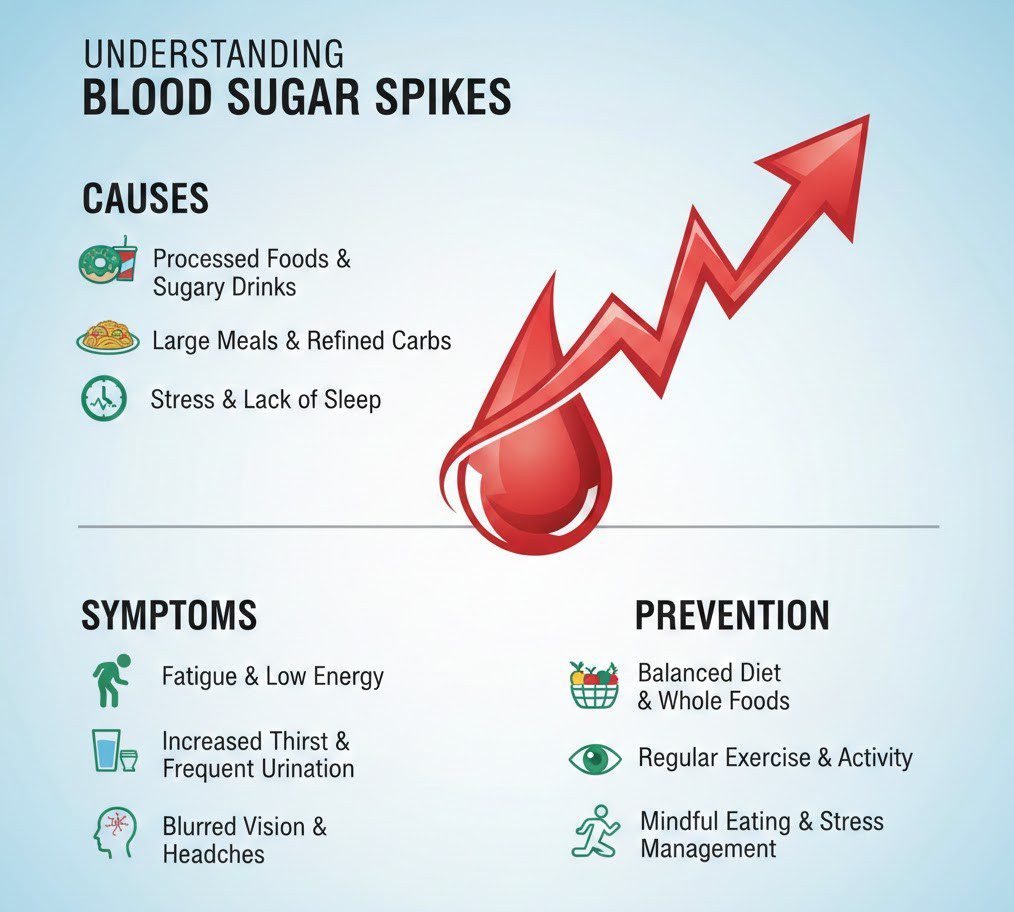
Blood sugar spikes happen when glucose rises too quickly in the bloodstream, and with age, the body becomes more sensitive to these changes. Understanding the exact causes of blood sugar spikes helps older adults prevent sudden highs, protect heart health, and maintain steady energy. This article explains why blood sugar spikes happen, the hidden triggers behind sugar spikes, and the most common reasons for hyperglycemia in everyday life.
Key Takeaways
- Older adults experience more frequent sugar spikes due to reduced insulin efficiency.
- Daily food choices and meal timing are major high glucose triggers.
- Stress, inactivity, dehydration, and poor sleep can cause sudden blood sugar jumps.
- Certain medications often lead to unexpected blood sugar instability.
- Illness and hormonal changes can raise blood sugar levels quickly.
- Monitoring patterns helps identify personal sugar spike symptoms early.
- Preventing spikes protects long-term brain, heart, and nerve health.
Understanding Why Blood Sugar Spikes Happen
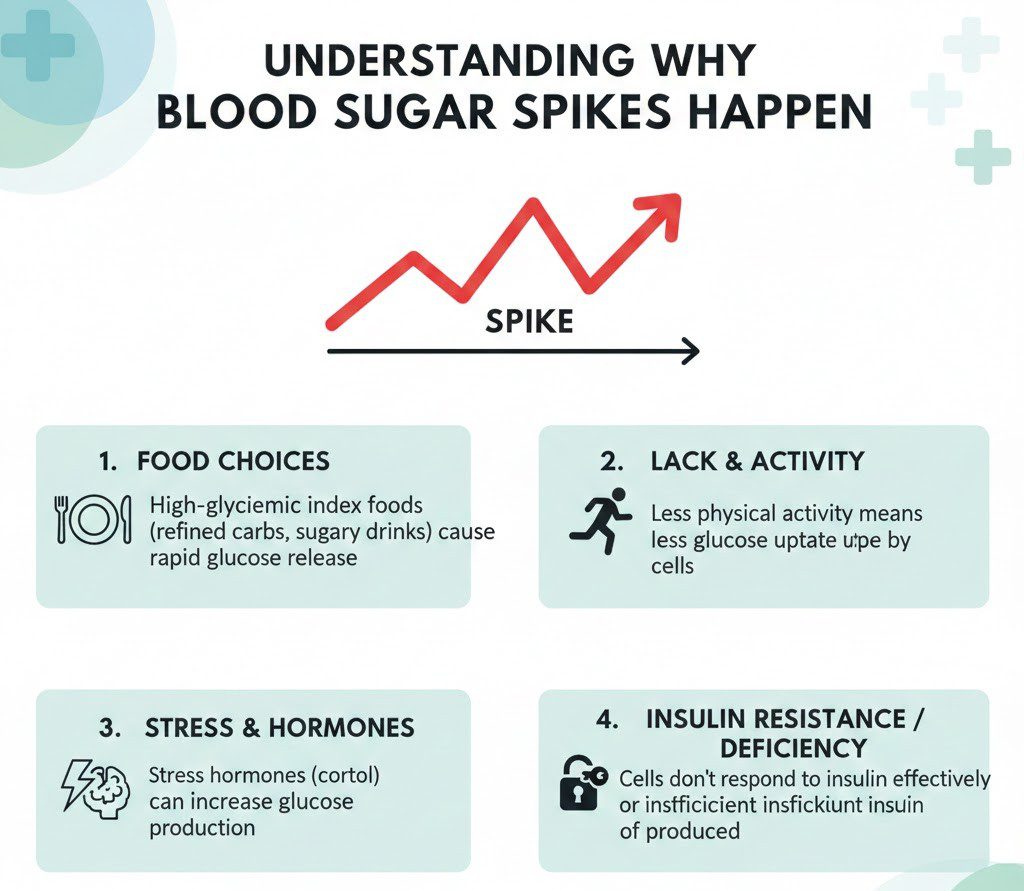
Blood sugar spikes occur when glucose enters the blood faster than insulin can move it into cells. For older adults, this happens more often because the body gradually becomes less responsive to insulin. This natural aging process makes it important to understand why blood sugar spikes happen and how to manage them effectively.
A blood sugar spike is not always caused by overeating. Small lifestyle factors, hidden food ingredients, medications, and stress can all interfere with glucose control. This creates blood sugar instability,especially after meals.
Hidden Triggers Behind Sugar Spikes
Many people struggle with glucose swings without realizing the triggers. These hidden causes often go unnoticed in daily routines.
Before listing them, here is a brief explanation: hidden factors affect hormones, digestion, and insulin sensitivity. These influences gradually build up and lead to high glucose triggers even when meals seem normal.
Common Hidden Triggers
Here are subtle yet powerful triggers:
- Dehydration: Low fluid intake thickens the blood, concentrating glucose levels.
- High-sodium Foods: Salt-heavy meals reduce insulin sensitivity and delay glucose movement into cells.
- Artificial Sweeteners: Some sweeteners create hormonal changes that increase cravings and sugar absorption.
- Skipping Breakfast: Fasting in the morning raises stress hormones, causing glucose to rise unexpectedly.
- Poor Gut Health: Low fiber and unhealthy bacteria interfere with glucose metabolism.
- Pain or Inflammation: Chronic discomfort increases cortisol, leading to reasons for hyperglycemia throughout the day.
Common Reasons for High Blood Sugar
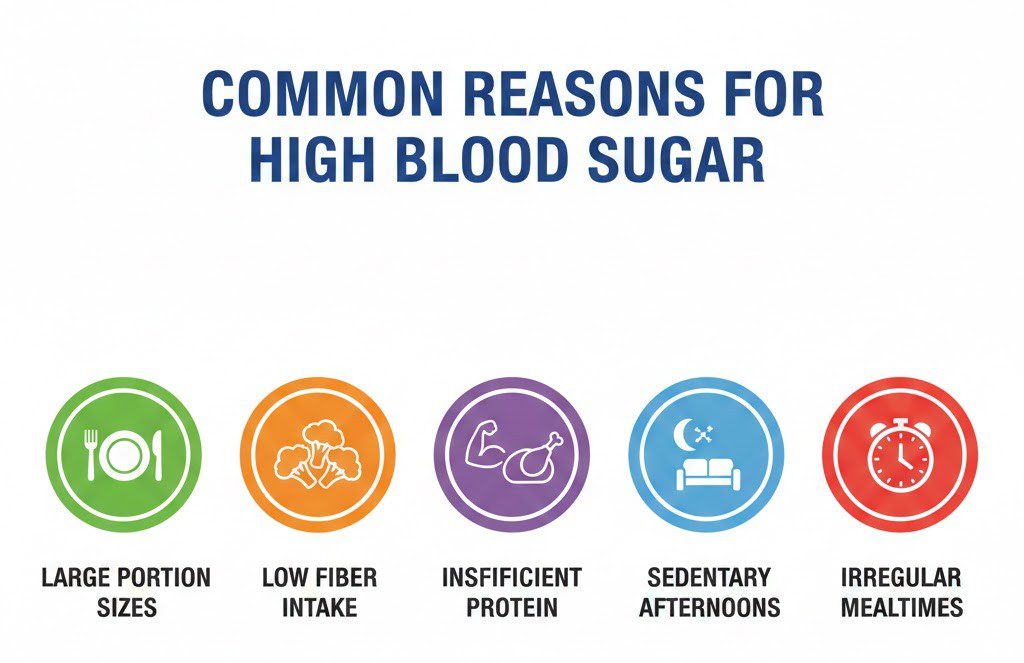
High blood sugar becomes more common with age because metabolism slows and insulin response weakens. To manage this effectively, older adults must identify these common blood sugar spike causes in daily life.
Before the list, here’s context: these reasons come from lifestyle choices, chronic conditions, and the body’s natural aging process.
- Large Portion Sizes: Too much food overwhelms insulin’s ability to regulate glucose.
- Low Fiber Intake: Fiber slows digestion, and without it, glucose rises rapidly after meals.
- Insufficient Protein: Meals lacking protein digest too quickly, raising sugar faster.
- Sedentary Afternoons: Sitting after lunch reduces glucose uptake by muscles.
- Late-night Eating: Eating close to bedtime disrupts nighttime glucose control.
- Irregular Mealtimes: Long gaps between meals cause drastic glucose swings.
Causes of Blood Sugar Spikes
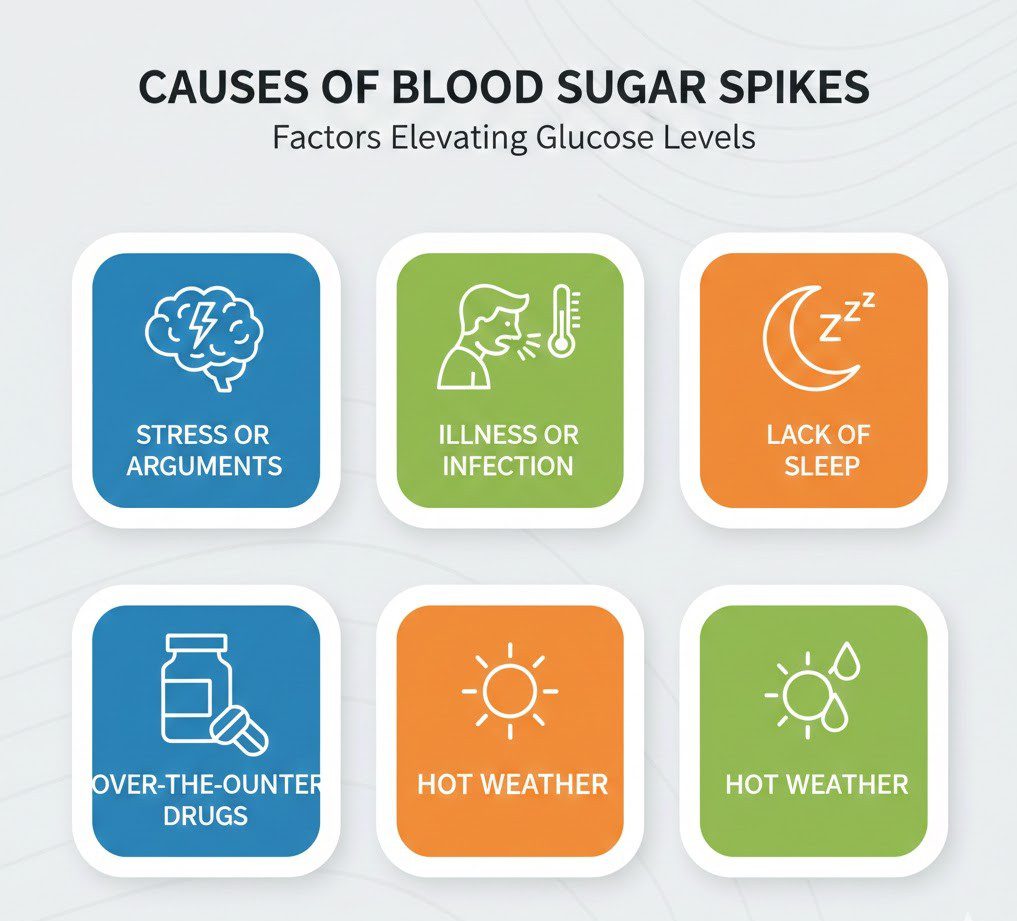
Sudden blood sugar spikes can be alarming, especially for people who already experience gradual insulin decline. These jumps often relate to stress hormones, unexpected dietary ingredients, or sudden physical changes.
Before listing examples, it’s important to understand that sudden spikes don’t always come from sugar-heavy foods,they can also be triggered by everyday situations.
- Stress or Arguments: Emotional stress releases cortisol, causing sharp glucose spikes.
- Illness or Infection: The immune system raises glucose as energy for healing.
- Lack of Sleep: Poor sleep increases insulin resistance the next day.
- Over-the-counter Drugs: Certain cold medicines raise glucose due to added sugars or stimulants.
- Hot Weather: Heat dehydration raises glucose faster than usual.
Factors That Raise Blood Sugar Levels
Many factors that raise blood sugar levels do so subtly and gradually. These factors interact with age-related body changes and create frequent fluctuations.Before going into details, remember that controlling these influences helps prevent long-term complications.
- Hormonal Imbalance: Aging reduces insulin production and increases glucose retention.
- Weight Around the Abdomen: Belly fat reduces insulin sensitivity and interferes with hormonal balance.
- Low Muscle Mass: Less muscle means less glucose storage, causing higher fasting levels.
- Liver Glucose Dumping: The liver releases extra glucose in the morning or during stress.
- Medications for Blood Pressure: Some meds raise glucose by affecting the kidneys and insulin response.
- Steroids & Injections: Steroid medicines are known to trigger high glucose triggers.
Food That Cause Blood Sugar Spike

Food is the number one trigger of blood sugar spike causes, especially for older individuals whose digestion naturally slows and whose insulin response weakens.
Why Food Causes Instability
Carbohydrates digest into glucose, and without balanced macronutrients, the rise is rapid. Older adults experience slower metabolism, making the impact of food even more noticeable.
- White Rice: Fast digestion makes glucose surge quickly.
- Potatoes: High starch content converts rapidly into sugar.
- Sweetened Yogurt: Hidden sugars cause unexpected spikes.
- Bread and Rotis from Refined Flour: Low fiber leads to quick absorption.
- Processed Snacks: Chemical additives trigger inflammatory sugar responses.
- Cereals: Even “healthy” cereals often contain hidden sugars.
Food Habits That Raise Glucose
These foods raise the glucose level in the body
- Eating Too Fast: The stomach releases glucose rapidly into the bloodstream.
- Not Combining Protein: Carbs without protein digest too quickly.
- Skipping Vegetables: Fiber is essential for slow glucose absorption.
- Using Too Much Oil: Excess fat delays digestion and causes late spikes.
Lifestyle Causes of Blood Sugar Spikes
Lifestyle choices can cause blood sugar instability even when diet is healthy. Many older adults lead less active lives, impacting how the body uses insulin.
- Inactivity During the Day: Muscles become less efficient at using glucose.
- Prolonged Sitting: Insulin sensitivity drops after long sitting periods.
- Erratic Sleep Schedule: Sleep deprivation affects hunger and sugar hormones.
- Chronic Stress: Stress is a major contributor to sugar spike symptoms.
- Irregular Medication Use: Missing doses disrupts glucose control.
Age-Related Triggers of Hyperglycemia in Older Adults
Aging plays a central role in reasons for hyperglycemia and makes older adults more vulnerable to spikes.
Why Age Intensifies Spikes
As people age, their hormonal balance changes, muscle mass decreases, and the pancreas becomes weaker. These changes alter how quickly glucose rises and falls.
- Weaker Pancreatic Function: Less insulin is produced as we age.
- Slower Digestion: Food stays longer in the stomach, extending spikes.
- Medication Sensitivity: Older bodies react strongly to drugs affecting glucose.
- Reduced Thirst Sensation: Dehydration becomes more common.
- Chronic Conditions: Blood pressure, arthritis, and heart conditions affect hormones.
Medical Conditions that Cause Blood Sugar Spikes
Certain health conditions increase the risk of sudden or persistent spikes. Many older adults have underlying conditions that interfere with insulin function.
How Conditions Raise Glucose
Inflammation, hormonal imbalance, and stress on the pancreas contribute to spikes in individuals with chronic health issues.
- Type 2 Diabetes: Reduced insulin sensitivity leads to frequent spikes.
- Prediabetes: Early insulin resistance causes glucose instability.
- Thyroid Disorders: Hormonal changes influence glucose metabolism.
- Pancreatitis: The pancreas cannot produce enough insulin.
- Kidney Disease: Reduced kidney function affects glucose clearance.
Medication-Related Blood Sugar Instability
Many medications used by older adults unintentionally increase glucose.
Why Medicine Affects Glucose
Some drugs interfere with insulin, impact digestion, or trigger hormonal changes that lead to high glucose triggers.
- Steroids: Strongly linked to sudden spikes.
- Thiazide Diuretics: Often prescribed for blood pressure but raise glucose.
- Beta-Blockers: Limit insulin release.
- Hormone Therapy: Affects glucose balance.
- Cough Syrups: Added sugars cause sudden blood sugar jumps.
Symptoms of Blood Sugar Spikes
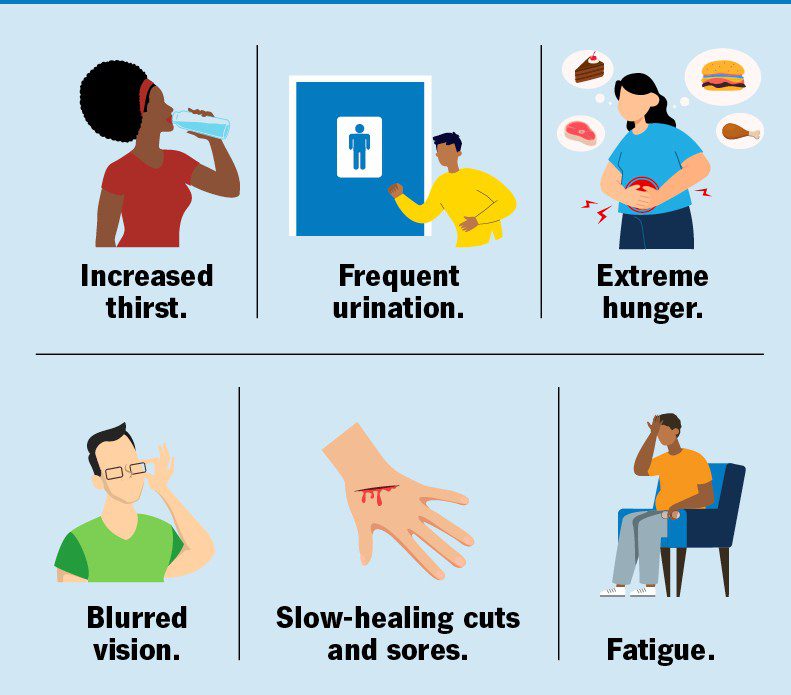
Recognizing sugar spike symptoms early helps prevent complications. Older adults may experience different symptoms compared to younger people.
Why Symptoms Differ
Nerve sensitivity, blood flow, and metabolic changes affect how symptoms appear.
- Sudden Fatigue: The body struggles to use glucose efficiently.
- Increased Thirst: The kidneys attempt to flush excess sugar.
- Blurred Vision: High glucose affects eye fluid balance.
- Frequent Urination: The body tries to remove excess sugar.
- Headaches: Rapid glucose shifts affect brain function.
- Confusion: Common in severe spikes among older adults.
Preventing Blood Sugar Instability
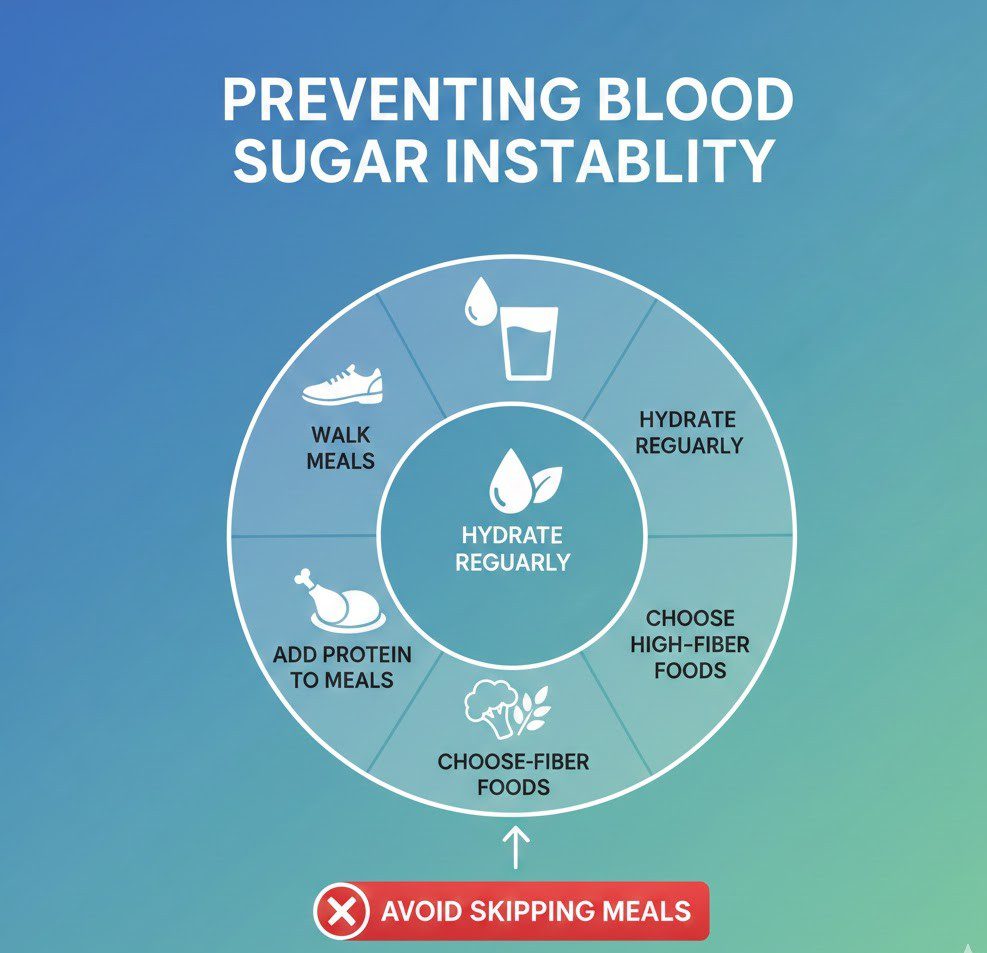
While this article focuses mostly on the causes of blood sugar spikes, prevention plays a crucial role in supporting healthy aging.
How Prevention Works
Small lifestyle changes make insulin more efficient, stabilize digestion, and reduce the risk of sudden jumps.
- Walk After Meals: Improves muscle glucose uptake.
- Add Protein to Meals: Slows digestion and stabilizes glucose.
- Hydrate Regularly: Keeps glucose levels diluted.
- Choose High-fiber Foods: Gradually release sugar.
- Avoid Skipping Meals: Prevents hormonal surges.
Conclusion
Understanding the causes of blood sugar spikes is essential for the people, who are more vulnerable to sudden glucose changes due to natural shifts in metabolism, hormone balance, and insulin response. By recognizing the hidden triggers behind sugar spikes,such as food choices, stress, medications, illness, dehydration, and age-related factors,older individuals can take practical steps to stabilize their blood sugar throughout the day. With consistent habits, mindful eating, regular activity, and careful monitoring, it becomes possible to prevent sudden blood sugar jumps, reduce long-term health risks, and maintain stronger energy and overall well-being as you age.
FAQs
What exactly causes blood sugar spikes?
Blood sugar spikes occur when glucose rapidly enters the bloodstream, typically after consuming foods high in sugar or refined carbohydrates. Other causes include stress, inactivity, dehydration, illness, certain medications, and insulin resistance.
What are the symptoms of a blood sugar spike?
Symptoms can include excessive thirst, frequent urination, intense hunger, headaches, blurred vision, fatigue, and irritability. Some people may not notice symptoms immediately but experience energy crashes or mood swings.
How do blood sugar spikes affect long-term health?
Frequent spikes can lead to insulin resistance, obesity, cardiovascular disease, kidney damage, and increase the risk of type 2 diabetes and related complications.
What is the connection between blood sugar spikes and weight gain?
High insulin levels triggered by spikes promote fat storage and increase hunger hormones, leading to overeating and weight gain.
How can I prevent blood sugar spikes after meals?
Prevent spikes by eating fiber-rich foods, pairing carbs with protein and healthy fats, limiting sugary drinks, exercising regularly, staying hydrated, managing stress, and maintaining consistent meal timing.
Why do protein and fat help prevent blood sugar spikes?
Protein and healthy fats slow digestion and carbohydrate absorption, resulting in gradual glucose release and stable blood sugar.
Can exercise lower blood sugar spikes?
Yes. Physical activity increases glucose uptake by muscles, lowering blood sugar and improving insulin sensitivity—walking after meals is especially effective.
What role does fiber play in blood sugar control?
Fiber delays carbohydrate digestion and absorption, preventing rapid blood sugar rises. Good sources include oats, legumes, berries, vegetables, and whole grains.
Are there non-food causes of blood sugar spikes?
Yes. Stress, poor sleep, dehydration, illness, certain medications, hormonal changes, and sedentary behavior can all trigger spikes.
How does blood sugar spike prevention differ for people with diabetes?
People with diabetes may require medication management, insulin therapy, and monitoring blood glucose more closely, along with dietary adjustments.
References
- American Diabetes Association. (n.d.). Diabetes. American Diabetes Association.
Retrieved November 27, 2025, from https://www.diabetes.org - Centers for Disease Control and Prevention. (n.d.). Diabetes. CDC.
Retrieved November 27, 2025, from https://www.cdc.gov/diabetes - National Institute of Diabetes and Digestive and Kidney Diseases. (n.d.). Diabetes. NIDDK.
Retrieved November 27, 2025, from https://www.niddk.nih.gov - Healthline. (n.d.). Nutrition. Healthline.
Retrieved November 27, 2025, from https://www.healthline.com/nutrition - National Center for Biotechnology Information. (n.d.). NCBI Homepage. NCBI.
Retrieved November 27, 2025, from https://www.ncbi.nlm.nih.gov

Dr. Aaron Liu, MD, FACE, is an endocrinologist with 14 years of experience managing diabetes, insulin resistance, and metabolic disorders. He completed his medical training at Columbia University Vagelos College of Physicians and Surgeons and fellowship in Endocrinology at Mount Sinai Hospital. Dr. Liu’s expertise lies in integrating precision nutrition and advanced glucose monitoring for improved glycemic control. He has authored continuing education modules for the American Diabetes Association on lifestyle-based diabetes reversal.