

Maintaining a healthy urinary system is essential for bladder comfort, infection prevention, and overall wellness. Many people experience urinary discomfort, but adopting the right daily habits for urinary tract wellness can significantly support bladder function, reduce irritation, and lower the risk of infections. Simple lifestyle changes such as improving hydration habits, following proper bathroom hygiene practices, and wearing breathable clothing can make a big difference in daily urinary comfort.
Key Takeaways
- Healthy hydration habits help flush bacteria from the urinary tract.
- Good bathroom hygiene practices and proper wiping techniques prevent bacterial spread.
- Exercise and bladder control steps, including pelvic floor training, support normal urinary function.
- Limiting caffeine and preventing constipation both play a role in better bladder health.
- Healthy sleep and urinary system routines promote healing and nighttime comfort.
- Regular doctor checkups for bladder health ensure early detection of potential issues.
Why Daily Habits Matter for Urinary Tract Health
Daily habits play a major role in supporting the urinary system because they help keep the bladder, kidneys, and urinary passages functioning smoothly every day. Simple routines like staying hydrated, practicing good bathroom hygiene, and wearing breathable underwear protect the urinary tract by flushing out bacteria, reducing irritation, and maintaining a healthy balance of microbes. These habits strengthen the body’s natural defenses and prevent common problems such as UTIs, bladder discomfort, or inflammation.
Key reasons daily habits matter include:
- They help flush bacteria and reduce infection risks.
- Hydration keeps urine diluted and prevents irritation.
- Good hygiene lowers bacterial spread around the urethra.
- Breathable underwear reduces moisture and bacterial growth.
- Limiting caffeine prevents bladder irritation and sudden urgency.
- Preventing constipation reduces pressure on the bladder.
- Pelvic floor exercises improve bladder control and stability.
9 Daily Habits for Urinary Tract Wellness
Maintaining a healthy urinary tract is essential for bladder comfort, kidney function, and overall wellness. Consistently following daily habits for urinary tract wellness helps the body flush out bacteria, maintain a balanced urinary microbiome, strengthen bladder control, and reduce the risk of urinary tract infections (UTIs) or chronic urinary problems. Here are nine important habits to follow, explained in detail:
1. Stay Hydrated
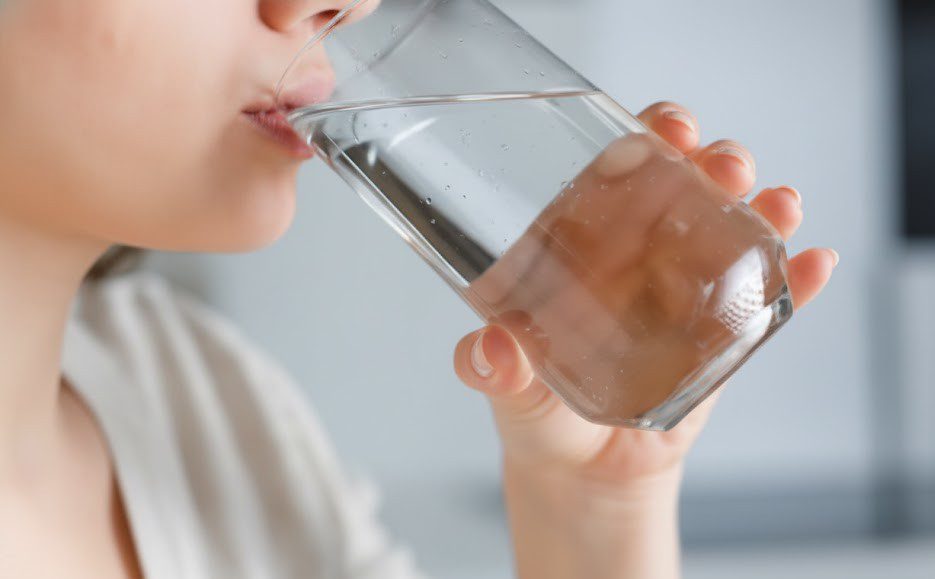
Proper hydration is one of the most important hydration habits for maintaining a healthy urinary tract. Water helps dilute urine, making it harder for bacteria to multiply, and encourages regular urination, which flushes out toxins and harmful microorganisms. Adequate hydration also supports kidney function, reduces bladder irritation, and can prevent the formation of kidney stones.
- Water Intake: Aim for 6-8 glasses daily, or more if physically active.
- Herbal Beverages: Unsweetened herbal teas can help maintain hydration without irritating the bladder.
- Hydration Timing: Spread water intake throughout the day to maintain a consistent urinary flow and avoid concentrated urine.
2. Practice Proper Bathroom Hygiene
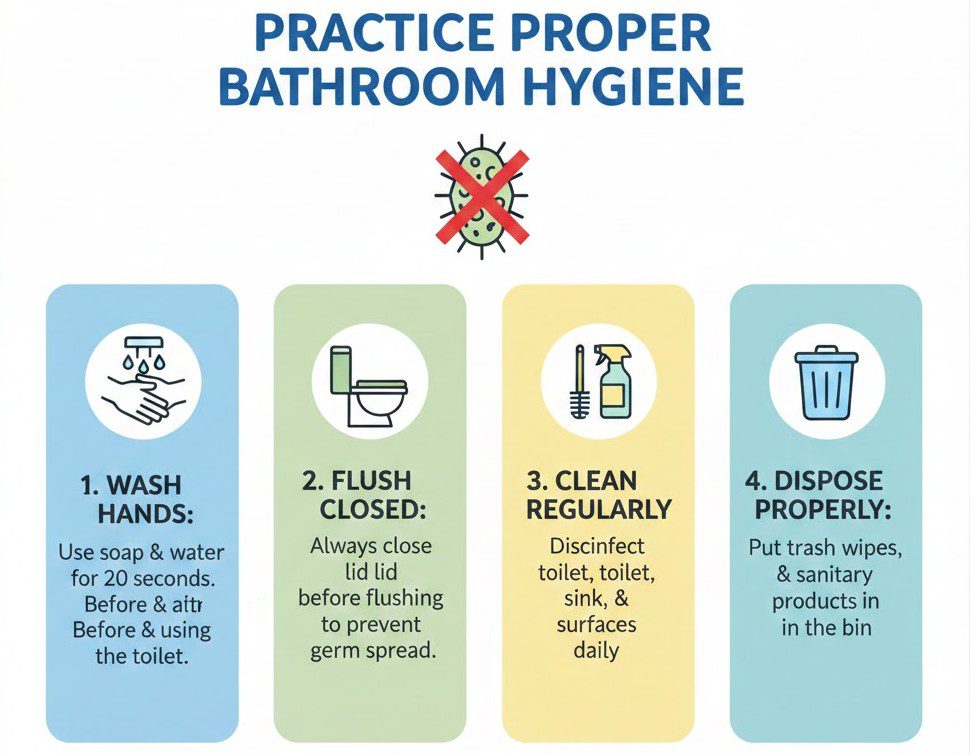
Following correct bathroom hygiene practices is crucial for preventing bacteria from entering the urethra and causing infections. Good hygiene not only reduces the risk of UTIs but also keeps the genital area comfortable and free from irritation.
- Wiping Technique: Always wipe from front to back to prevent bacterial transfer from the anal area.
- Urination Routine: Avoid holding urine for long periods, as stagnant urine can increase bacterial growth.
- Gentle Cleaning: Use mild, fragrance-free soap and warm water to clean the genital area and prevent irritation or allergic reactions.
3. Wear Breathable Underwear
Wearing breathable underwear is an essential bladder-friendly daily practice that helps prevent moisture accumulation and bacterial growth in the genital area. Tight or synthetic fabrics can trap heat and sweat, creating a favorable environment for infections.
- Fabric Choice: Opt for cotton or moisture-wicking fabrics for daily wear.
- Avoid Tight Clothing: Tight jeans or leggings can increase warmth and moisture retention.
- Post-Exercise Care: Change out of sweaty clothes immediately to reduce bacterial growth and irritation.
4. Limit Caffeine and Bladder Irritants
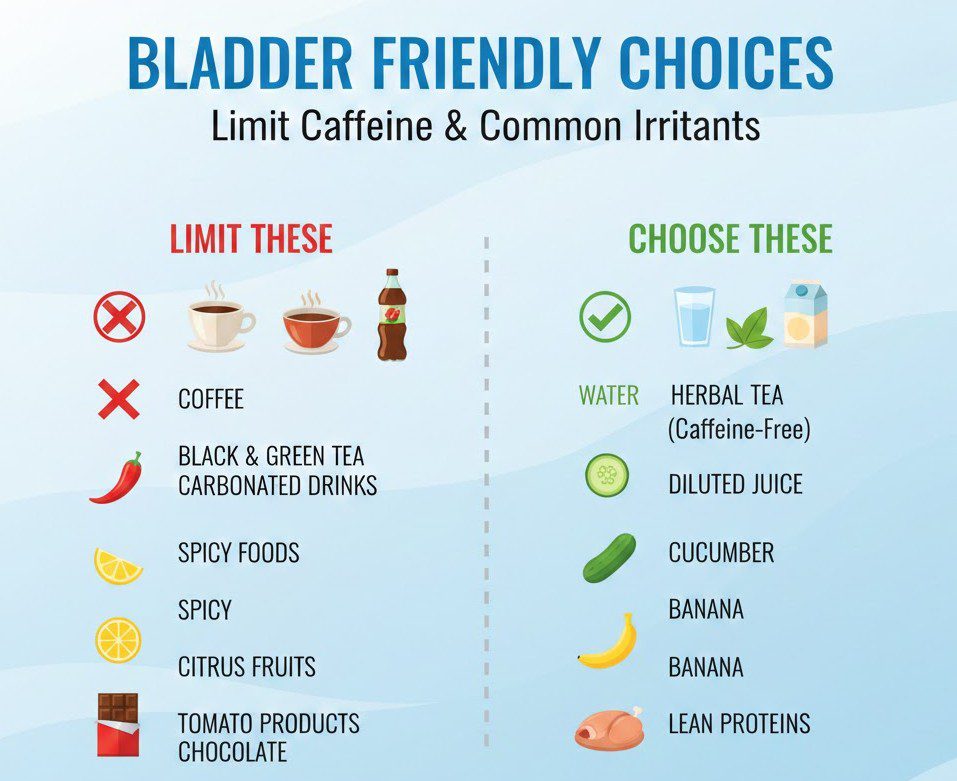
Caffeine, alcohol, and acidic or spicy foods can irritate the bladder lining, causing urgency, frequency, or discomfort. Limiting caffeine for bladder health is an effective way to reduce bladder stress, improve urinary comfort, and maintain normal bladder function.
- Substitute Drinks: Herbal teas, water, or diluted juices are good alternatives to caffeinated or acidic beverages.
- Monitor Symptoms: Track which foods or drinks trigger bladder discomfort and adjust your intake accordingly.
- Moderation: Reducing caffeine gradually helps prevent withdrawal effects while protecting bladder health.
5. Maintain Regular Bowel Movements
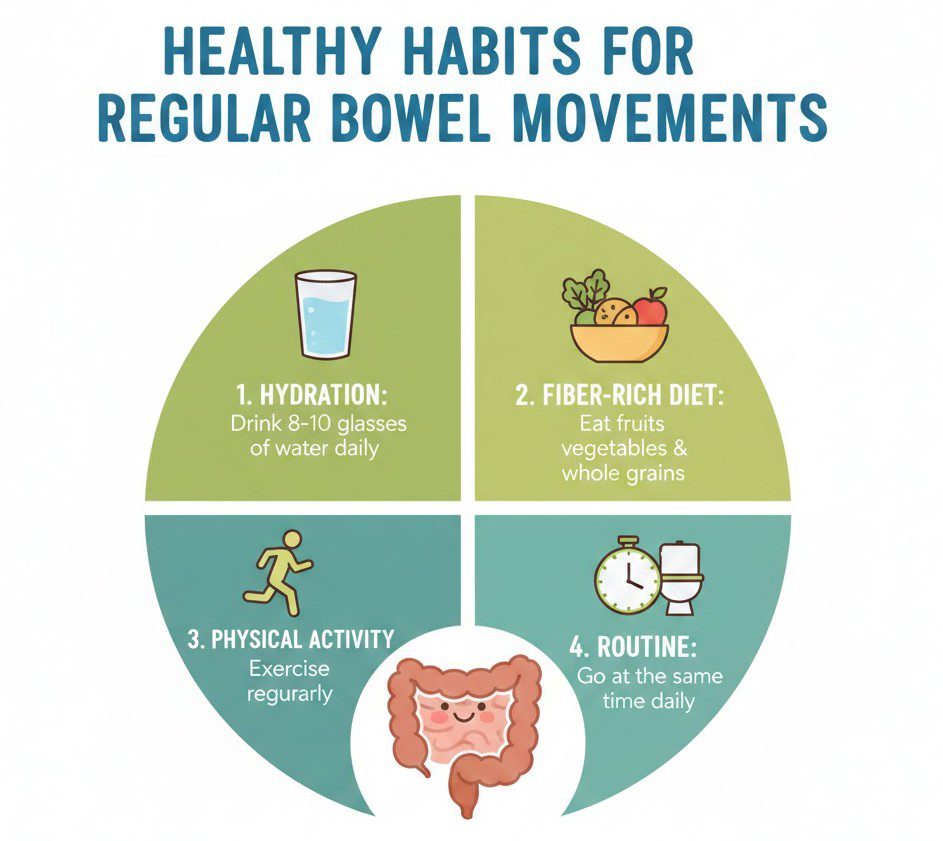
Constipation can put pressure on the bladder and urethra, interfering with normal urination and increasing the risk of urinary infections. Preventing constipation and urinary issues supports regular bladder emptying and overall urinary tract health.
- Fiber-Rich Diet: Eat vegetables, fruits, whole grains, and legumes to maintain bowel regularity.
- Stay Hydrated: Adequate water intake helps soften stool and reduces strain.
- Physical Activity: Regular exercise stimulates bowel function and prevents prolonged pressure on the bladder.
- Routine: Maintain a consistent bathroom schedule to train your body for regular bowel movements.
6. Do Pelvic Floor Exercises

Pelvic floor muscles support the bladder, urethra, and surrounding organs. Strengthening these muscles through pelvic floor training improves bladder control, reduces leakage, and supports urinary system function. Over time, this can prevent stress incontinence and enhance overall bladder comfort.
- Kegel Exercises: Tighten pelvic muscles for 5-10 seconds, then relax for the same duration. Repeat 10-15 times per session.
- Frequency: Perform exercises 2-3 times daily for best results.
- Additional Benefits: Improves sexual health, reduces bladder pressure, and helps with post-pregnancy urinary control.
7. Adopt Healthy Sleep Habits
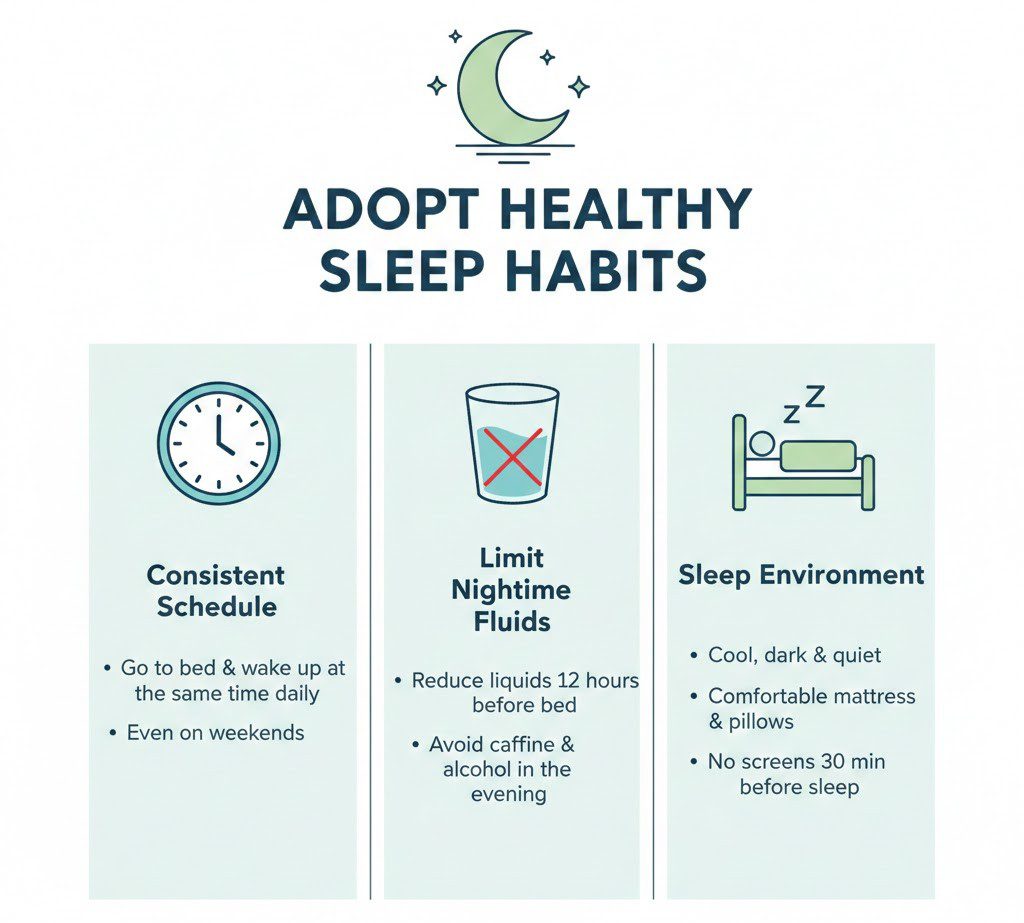
Sleep is essential for tissue repair, hormone regulation, and immune system function, all of which influence healthy sleep and urinary system balance. Poor sleep can increase bladder sensitivity and contribute to urinary discomfort or nighttime urination.
- Consistent Schedule: Go to bed and wake up at the same time daily.
- Limit Nighttime Fluids: Avoid drinking large amounts of fluids before bed to reduce nighttime urination.
- Sleep Environment: Ensure a quiet, dark, and comfortable room to promote deep, restorative sleep.
8. Stay Physically Active

Regular exercise improves circulation, supports healthy weight, and strengthens pelvic muscles, enhancing exercise and bladder control. Physical activity also promotes bowel regularity, indirectly benefiting urinary tract health.
- Cardio: Walking, swimming, cycling, or jogging enhance overall urinary system health.
- Strength Training: Core and lower-body exercises help stabilize the bladder and pelvic muscles.
- Daily Movement: Include non-exercise activity (NEAT), such as taking stairs or short walking breaks, to keep the urinary system functioning optimally.
9. Schedule Regular Medical Checkups
Routine medical checkups are vital for detecting urinary or bladder issues early. Regular doctor checkups for bladder health help monitor kidney function, prevent infections, and provide guidance on supplements, medications, or lifestyle adjustments that support urinary tract wellness.
- Screenings: Urine tests, kidney function tests, or routine physical exams.
- Professional Advice: Consult a doctor if urinary discomfort or recurring UTIs occur.
- Preventive Care: Follow medical guidance to avoid complications and maintain long-term urinary health.
Morning and Evening Routines for Bladder Health
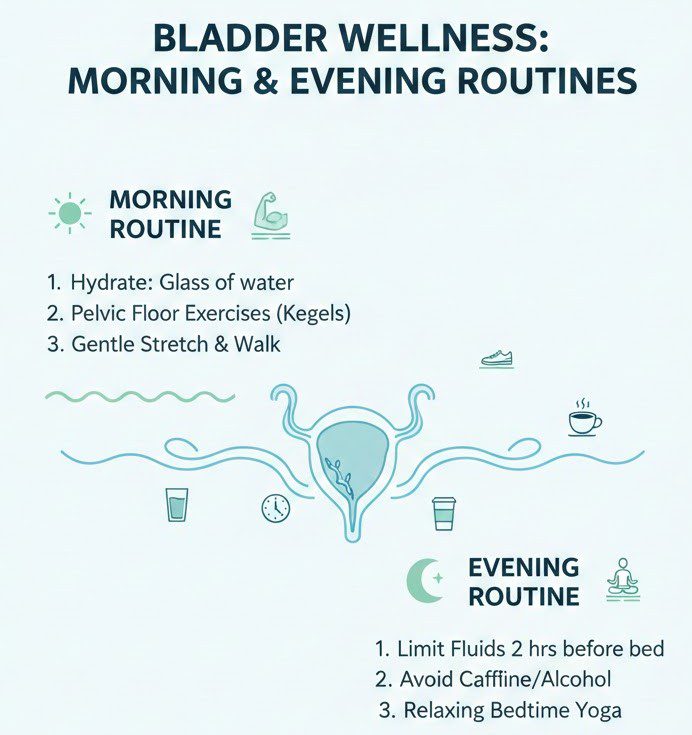
Establishing structured morning and evening routines can help maintain urinary tract wellness by promoting regular urination, reducing bladder irritation, and supporting hydration and hygiene habits. Following a consistent routine reinforces healthy habits and prevents urinary issues.
Morning Routine
Starting your day with healthy urinary habits sets the tone for bladder wellness throughout the day. A structured morning routine helps flush out toxins, maintain proper hydration, support bowel regularity, and prepare the urinary system for optimal function.
- Hydrate Early: Start the day with a glass of water to flush overnight toxins and stimulate healthy urinary flow.
- Gentle Morning Bathroom Hygiene: Clean the genital area with warm water and mild soap to prevent bacterial growth.
- Empty Bladder Fully: Take time to completely empty your bladder to reduce residual urine, which can contribute to infections.
- Light Physical Activity: Stretching, yoga, or a short walk in the morning supports circulation, bowel regularity, and bladder function.
Evening Routine
A mindful evening routine supports bladder health by reducing nighttime irritation, preventing urinary accidents, and promoting restful sleep. Establishing consistent pre-bedtime habits ensures the urinary system remains comfortable and lowers the risk of infections or overactive bladder symptoms.
- Limit Late Fluids: Reduce intake of caffeine or large amounts of liquids 1-2 hours before bed to prevent nighttime urination.
- Bathroom Before Bed: Empty your bladder fully to avoid interruptions in sleep and reduce UTI risk.
- Relaxation Techniques: Gentle stretches or meditation before bed can reduce stress, which sometimes contributes to bladder urgency.
- Proper Clothing: Change into breathable, loose-fitting sleepwear to reduce moisture and bacterial growth overnight.
Foods That Support Urinary Tract Health

A healthy diet plays a vital role in maintaining a strong urinary system. Certain foods support bladder function, reduce irritation, prevent infections, and promote overall urinary tract wellness. Incorporating these foods into your daily routine enhances the effectiveness of other daily habits for urinary tract wellness.
- Berries: Cranberries and blueberries are rich in proanthocyanidins, compounds that prevent harmful bacteria from adhering to the urinary tract lining. Regular consumption helps lower the risk of urinary tract infections naturally. Additionally, berries are packed with antioxidants that reduce inflammation and support urinary tract cell health.
- Probiotic-Rich Foods: Yogurt, kefir, and fermented foods promote a healthy balance of gut and urinary tract microbiota. Maintaining this balance helps prevent bacterial overgrowth and supports the immune system, enhancing overall urinary tract hygiene practices.
- High-Fiber Foods: Vegetables, fruits, whole grains, and legumes prevent constipation, which reduces pressure on the bladder and urethra. Regular intake of fiber-rich foods supports smooth bowel movements, enabling normal urination and lowering the risk of UTIs.
- Hydrating Foods: Water-rich fruits and vegetables, such as cucumbers, watermelon, oranges, and lettuce, help maintain proper hydration and dilute urine. This promotes frequent urination, which flushes out bacteria and supports hydration habits for urinary tract wellness.
- Vitamin C-Rich Foods: Oranges, kiwis, strawberries, and bell peppers boost urinary tract acidity, creating an environment less favorable for bacterial growth. Consuming vitamin C-rich foods contributes to healthy habits to prevent UTIs naturally.
- Herbal Teas: Unsweetened herbal teas, including chamomile, peppermint, or rooibos, provide hydration without irritating the bladder. These teas complement other bladder-friendly daily practices and support long-term urinary health.
Lifestyle Factors Affecting Urinary Health
Maintaining a healthy urinary system is not only about diet and daily habits it also depends on broader lifestyle choices. Certain factors can influence bladder function, increase the risk of urinary tract infections (UTIs), or exacerbate existing issues. Understanding these factors helps you make conscious decisions to protect your urinary health.
- Weight Management: Excess abdominal fat can put pressure on the bladder, contributing to incontinence or urgency. Maintaining a healthy weight through exercise and balanced nutrition supports bladder control.
- Stress Levels: Chronic stress can worsen bladder sensitivity and overactive bladder symptoms. Incorporating stress-reducing techniques such as meditation, deep breathing, or yoga benefits urinary comfort.
- Smoking: Tobacco use irritates the bladder lining and increases the risk of bladder cancer and infections. Quitting smoking improves overall urinary health.
- Alcohol and Caffeine Intake: Both can irritate the bladder lining and increase urgency or frequency. Limiting these substances can reduce bladder discomfort.
- Sleep Quality: Poor sleep may affect bladder control and increase nighttime urination. Prioritizing consistent, restful sleep promotes urinary system balance.
- Physical Activity: Regular movement improves circulation, supports weight management, strengthens pelvic muscles, and promotes bowel regularity all of which support urinary health.
Quick Daily Checklist for Urinary Tract Wellness
Maintaining urinary tract health can feel overwhelming with all the tips, routines, and dietary advice. This quick daily checklist provides simple, actionable steps you can follow every day to support bladder function, prevent infections, and promote overall urinary wellness. Use it as a practical guide to incorporate healthy habits into your lifestyle consistently.
- Drink 6-8 glasses of water throughout the day to stay hydrated.
- Wipe front to back and wash gently with mild soap after using the bathroom.
- Wear cotton underwear and loose-fitting clothes to reduce moisture and bacterial growth.
- Limit caffeine, alcohol, and acidic or spicy foods to prevent bladder irritation.
- Eat fiber-rich foods and stay active to maintain regular bowel movements.
- Perform Kegel exercises 2-3 times daily to strengthen pelvic floor muscles.
- Follow consistent morning and evening routines for hydration and bladder care.
- Include cardio, strength training, and daily movement to support urinary health.
- Eat urinary healthy foods like berries, probiotics, vitamin C-rich fruits, and hydrating vegetables.
- Schedule regular doctor checkups to monitor urine and kidney function
Signs You Should See a Doctor
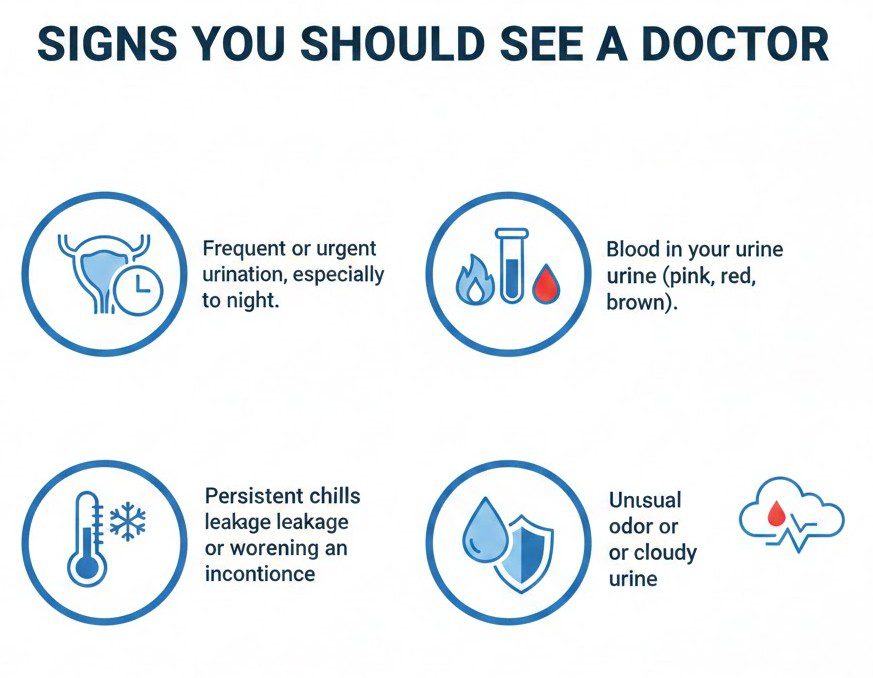
While daily habits can prevent many urinary issues, it’s important to recognize when professional care is needed. The following signs indicate that you should consult a healthcare provider promptly to address potential infections or underlying conditions.
- Experiencing frequent or urgent urination, especially at night.
- Feeling pain or a burning sensation during urination.
- Seeing blood in your urine (pink, red, or brown).
- Developing fever or chills that may indicate an infection.
- Having persistent urine leakage or worsening incontinence.
- Noticing unusual odor or cloudy urine.
- Experiencing recurring urinary tract infections within a short period.
Conclusion
Maintaining a healthy urinary tract is essential for bladder comfort, infection prevention, and overall wellness. Simple daily habits such as staying hydrated, practicing good bathroom hygiene, wearing breathable clothing, limiting bladder irritants, maintaining regular bowel movements, doing pelvic floor exercises, staying active, and following healthy sleep routines support urinary health. A diet rich in berries, probiotics, fiber, vitamin C, hydrating foods, and herbal teas further helps, while managing stress, weight, and avoiding smoking or excess alcohol plays a key role. Using a quick daily checklist and watching for warning signs like pain, blood in urine, frequent urination, or recurring infections ensures timely care.
FAQs
Why is staying hydrated important for urinary tract health?
Drinking enough water keeps urine diluted, which helps flush out bacteria and toxins from the urinary tract. Proper hydration reduces bladder irritation and supports kidney function. Consistently drinking 6-8 glasses daily promotes overall urinary wellness.
How does proper bathroom hygiene prevent urinary tract infections (UTIs)?
Good bathroom hygiene reduces bacterial transfer to the urethra. Wiping front to back, using mild soap, and avoiding holding urine for too long prevent infections. These habits protect the bladder and maintain comfort.
Why should I wear breathable underwear for bladder health?
Cotton or moisture-wicking underwear keeps the genital area dry and reduces heat buildup. This prevents bacterial growth and lowers infection risk. Avoiding tight clothing further helps maintain urinary tract hygiene.
Which foods can help support urinary tract wellness?
Berries, probiotic-rich foods, high-fiber fruits and vegetables, and vitamin C-rich foods strengthen the urinary system. Hydrating foods and herbal teas help flush bacteria and maintain bladder comfort. A balanced diet supports long-term urinary health.
How can pelvic floor exercises improve urinary health?
Pelvic floor exercises strengthen muscles supporting the bladder and urethra. Kegels improve bladder control, reduce leakage, and prevent stress incontinence. Performing them regularly enhances overall urinary function and comfort.
What lifestyle habits can negatively affect urinary health?
Excess alcohol or caffeine, smoking, poor sleep, high stress, and inactivity can irritate the bladder. These habits increase the risk of urinary infections and incontinence. Managing them supports a healthier urinary system.
How often should I schedule medical checkups for urinary health?
Regular checkups help detect urinary issues early. Annual urine tests, kidney function checks, and doctor consultations are recommended. Prompt evaluation prevents complications and maintains bladder wellness.
What are warning signs that I should see a doctor?
Frequent urination, pain or burning, blood in urine, fever, persistent leakage, unusual odor, or recurring infections indicate problems. These symptoms require prompt medical attention. Early care prevents serious urinary complications.
Can daily routines improve bladder comfort?
Yes, structured morning and evening routines support regular urination and hydration. Limiting fluids before bed, practicing hygiene, and staying active reduce bladder irritation. Consistency in routines enhances comfort and prevents UTIs.
How does diet influence urinary tract health?
A diet rich in antioxidants, fiber, and hydrating foods supports bladder function and prevents infections. Vitamin C and probiotic foods maintain a healthy urinary environment. Balanced nutrition complements daily habits for optimal urinary wellness.
References
- 15 Tips To Keep Your Bladder Healthy | National Institute on Aging. (2022, January 24). National Institute on Aging. Retrieved December 11, 2025, from https://www.nia.nih.gov/health/bladder-health-and-incontinence/15-tips-keep-your-bladder-healthy
- 5 Healthy Habits for Your Urinary System. (2021, September 9). DC Urology. Retrieved December 11, 2025, from https://dcurology.net/2021/09/09/5-healthy-habits-for-your-urinary-system/
- 7 Tips for Better Bladder Health. Golijanin, D. J. (n.d.). Brown University Health. Retrieved December 11, 2025, fromhttps://www.brownhealth.org/be-well/7-tips-better-bladder-health
- Healthy Habits For Urinary System: 9 Tips To Keep It Strong. (2025, July 12). Ashwin Sridhar Urology. Retrieved December 11, 2025, from https://ashwinsridharurology.com/healthy-habits-for-urinary-system/
- Keep Things Flowing: Healthy Habits for Urological Well‑Being. Lisa Downin. (2025, July 18). Georgia Urology. Retrieved December 11, 2025, from https://www.gaurology.com/keep-things-flowing-healthy-habits-for-urological-well-being/

Eryn Ellison is a PharmD with 8 years in hospital and ambulatory care. A graduate of the UNC Eshelman School of Pharmacy (2017), Eryn completed a PGY-1 Pharmacy Residency at Cleveland Clinic and holds BCPS certification from the Board of Pharmacy Specialties. They evaluate supplement efficacy, safety, and interactions with common prescriptions. Eryn has authored formulary reviews for P&T committees and consults on deprescribing protocols within large health systems. Credentials: state pharmacist license, BCPS ID, and professional profiles.