

Maintaining a healthy urinary tract is essential for bladder comfort, kidney function, and overall wellness. A proper diet plays a vital role in preventing urinary tract infections (UTIs), reducing irritation, and supporting long-term urinary health. Following diet tips for healthy urinary tract, along with proper hydration and lifestyle habits, can significantly improve urinary function and prevent common complications.
Key Takeaways
- A balanced urinary health diet reduces the risk of infections and irritation.
- High-fiber foods, lean proteins, and antioxidants support bladder and kidney function.
- Adequate hydration and avoiding irritant foods help maintain urinary wellness.
- Probiotic foods, herbal teas, and anti-inflammatory nutrients promote long-term urinary tract health.
- Regular checkups and mindful nutrition practices enhance overall urinary system strength.
What Is a Healthy Urinary Tract?
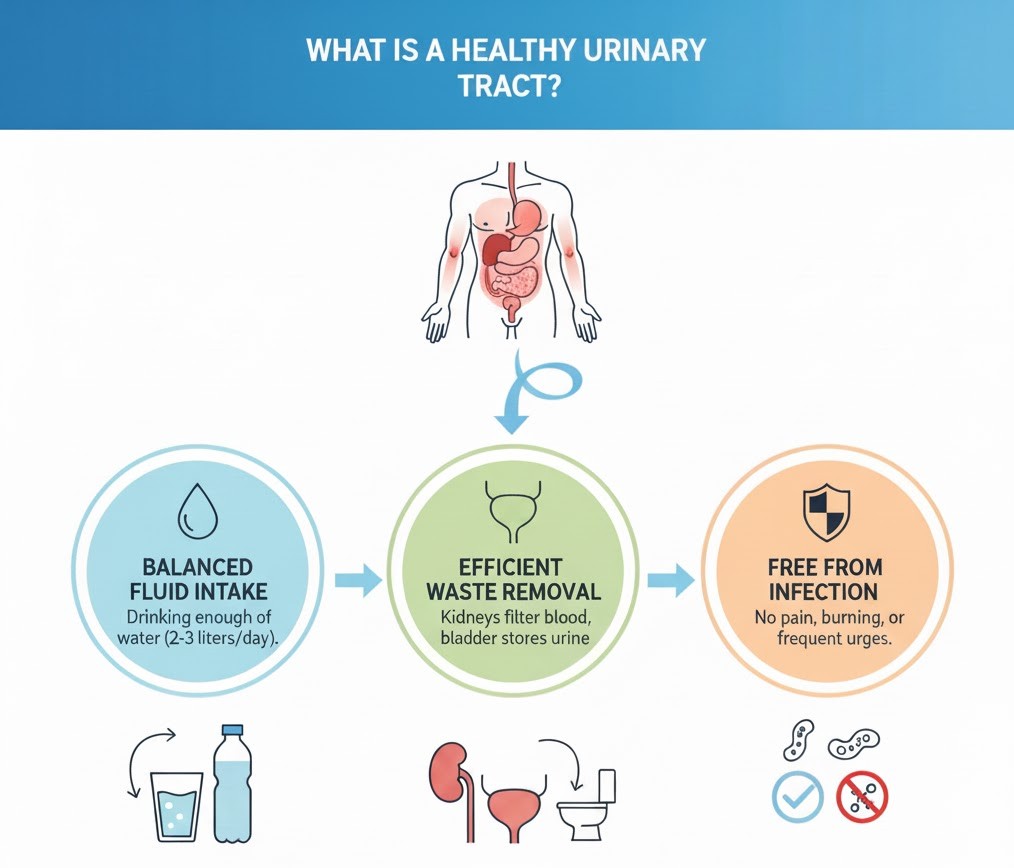
A healthy urinary tract refers to the proper functioning of the kidneys, bladder, ureters, and urethra, allowing for efficient filtration, storage, and elimination of urine. When the urinary system is functioning optimally, it prevents infections, reduces irritation, and maintains overall urinary comfort.
However, an unhealthy urinary tract can lead to complications such as:
- Urinary tract infections (UTIs) caused by harmful bacteria.
- Bladder irritation or overactivity, leading to urgency or discomfort.
- Kidney problems from improper filtration or excessive toxin buildup.
- Long-term inflammation, which can affect bladder and kidney health.
Proper dietary management, hydration, and lifestyle habits can help maintain urinary tract health, reduce the risk of infections, and support kidney and bladder function.
Why Diet Matters for Urinary Health
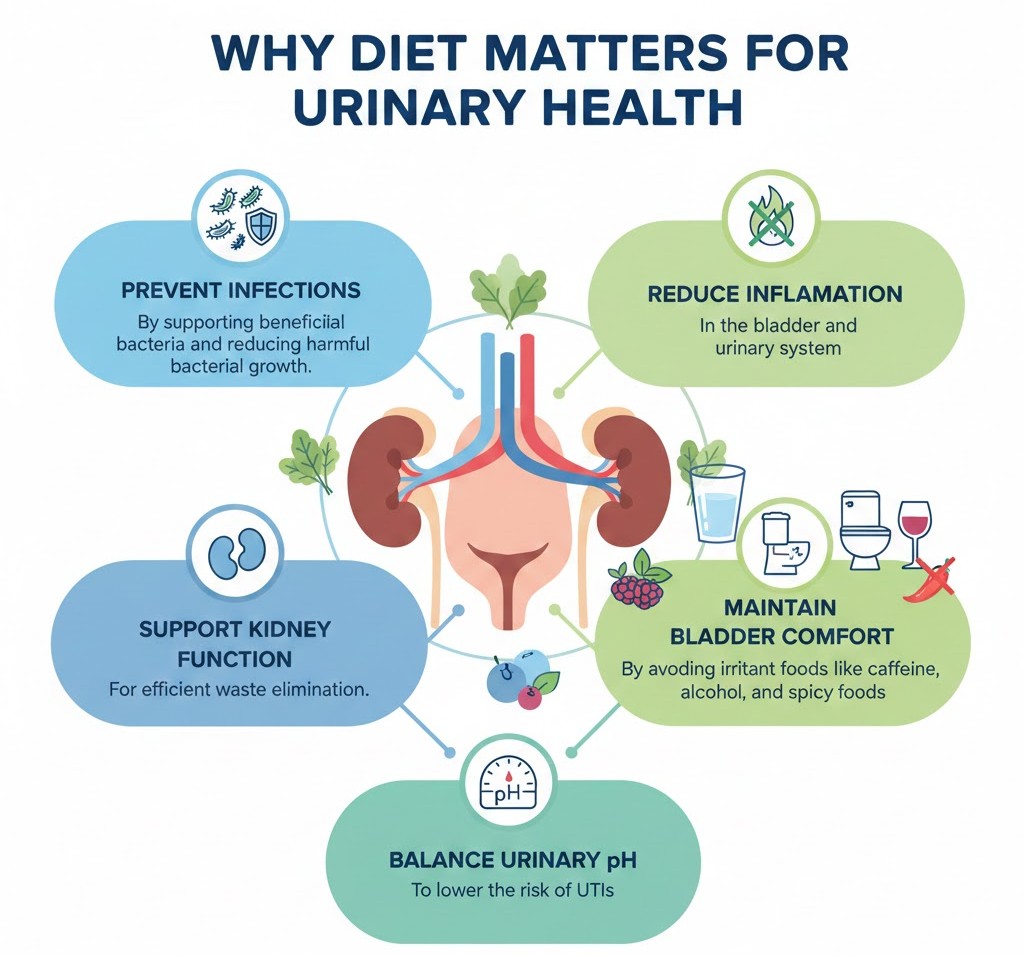
Maintaining a healthy urinary tract depends largely on what you eat and drink. A balanced diet supports bladder and kidney function, prevents infections, and promotes overall urinary wellness.
A proper urinary health diet helps:
- Prevent infections by supporting beneficial bacteria and reducing harmful bacterial growth.
- Reduce inflammation in the bladder and urinary system.
- Support kidney function for efficient waste elimination.
- Maintain bladder comfort by avoiding irritant foods like caffeine, alcohol, and spicy foods.
- Balance urinary pH to lower the risk of UTIs.
By staying hydrated, choosing nutrient-rich foods, and avoiding bladder irritants, you can maintain a strong, healthy urinary system and prevent long-term complications.
Diet Tips for Healthy Urinary Tract
Following a dedicated set of diet tips for healthy urinary tract can help prevent infections, support bladder function, and maintain kidney health. Here are some practical strategies:
Stay Hydrated

Drinking plenty of water helps flush out bacteria from the urinary tract, making it harder for infections to develop. Aim for 6-8 glasses of water daily, more if you are active or live in a hot climate. Hydration dilutes urine, reducing irritation to the bladder lining. Herbal teas such as chamomile, nettle, or dandelion offer additional soothing effects, support kidney function, and naturally enhance urine flow. Proper hydration also helps prevent concentrated urine, which increases the risk of kidney stones and bladder discomfort.
Include Cranberries and Low-Glycemic Fruits

Cranberries are rich in proanthocyanidins (PACs) compounds that prevent harmful bacteria from sticking to bladder walls. This makes cranberry juice or supplements a popular natural preventive option for UTIs. Low-glycemic fruits like berries, apples, and pears provide antioxidants and vitamins without causing blood sugar spikes, supporting balanced inflammation levels. Citrus fruits like oranges, lemons, and limes can help alkalize urine, but individuals with sensitive bladders should test them slowly, as acidity may trigger irritation in some cases.
Eat High-Fiber Vegetables
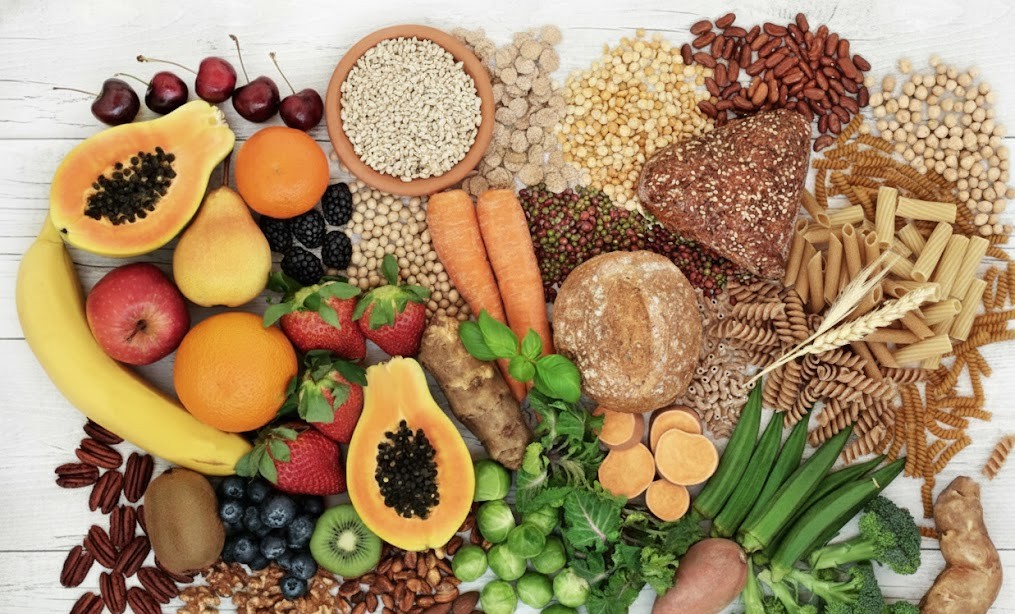
Vegetables such as broccoli, kale, zucchini, spinach, and cauliflower are high in fiber, vitamins, and antioxidants that support bladder health and reduce pressure on the urinary tract. Fiber prevents constipation which is closely linked to urinary problems because a backed-up bowel can press on the bladder and increase urgency or discomfort. High-fiber diets also help maintain a healthy weight, support digestion, reduce inflammation, and keep the entire urinary system functioning smoothly.
Incorporate Probiotics
Probiotic-rich foods like yogurt, kefir, sauerkraut, and kimchi help balance the urinary microbiome, which plays an important role in preventing UTIs. A strong microbiome discourages harmful bacteria from growing and supports the immune system. Foods with Lactobacillus species are especially beneficial, as they help maintain an acidic environment that prevents infection-causing bacteria from thriving. Probiotic supplements can be added if dietary sources are limited, but should be taken under medical guidance.
Focus on Anti-Inflammatory Foods
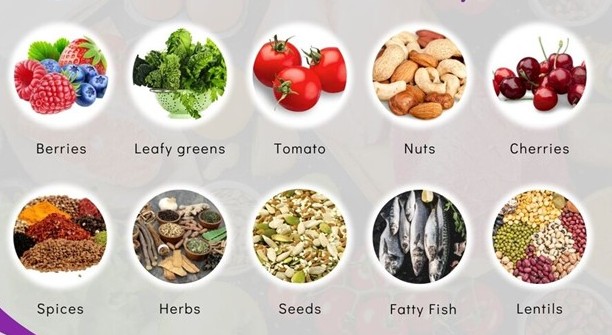
Healthy fats such as olive oil, avocados, flaxseeds, chia seeds, walnuts, and omega-3 rich fish like salmon help minimize inflammation in the bladder, kidneys, and urinary tract. These fats support hormone balance, cell repair, and immune strength. Lowering inflammation improves bladder control, reduces irritation, and supports recovery from recurring UTIs. Adding a variety of anti-inflammatory ingredients to daily meals can significantly boost long-term urinary wellness.
Avoid Bladder Irritants
Some foods and drinks can irritate the bladder lining and worsen symptoms like urgency, frequency, and pelvic discomfort. Limit caffeine, alcohol, carbonated drinks, spicy foods, citrus-heavy beverages, artificial sweeteners, and high-sodium processed foods. These irritants increase bladder sensitivity, raise inflammation, and disrupt the natural pH balance. Reducing or eliminating them helps maintain bladder lining integrity and reduces flare-ups of urinary discomfort.
Balance pH with Alkaline Foods

Alkaline foods such as leafy greens, cucumbers, celery, melons, and bananas help stabilize your urinary pH, creating an environment that discourages harmful bacteria. When urine is too acidic, it can irritate the bladder and increase susceptibility to infections. A balanced pH also supports kidney function, reduces burning sensations during urination, and promotes overall urinary comfort.
Include Lean Proteins

Lean proteins like eggs, chicken, turkey, fish, lentils, and beans support tissue repair, hormone production, and overall cellular health without placing excessive strain on the kidneys. Unlike high-fat or heavily processed meats, lean proteins digest easily and don’t contribute to inflammation. Pairing proteins with fiber-rich foods helps stabilize blood sugar levels, which can also influence bladder inflammation and urinary urgency.
Maintain Regular Meal Patterns
Eating smaller, more frequent meals prevents pressure on the bladder caused by large meals. It supports stable energy levels, better digestion, and consistent hydration throughout the day. Regular meal timings also help regulate metabolism and prevent overeating, which can indirectly worsen urinary symptoms by increasing abdominal pressure.
Practice Mindful Eating and Portion Control
Mindful eating helps you tune in to your hunger levels, reduce overeating, and make healthier food choices. Being overweight or gaining excess abdominal fat puts pressure on the bladder, increasing urinary urgency and discomfort. Controlled portions and slower eating support digestion, reduce bloating, and promote bladder comfort. Mindful eating also reduces stress, a factor known to worsen bladder sensitivity in some individuals.
Nutrition That Supports Urinary Health
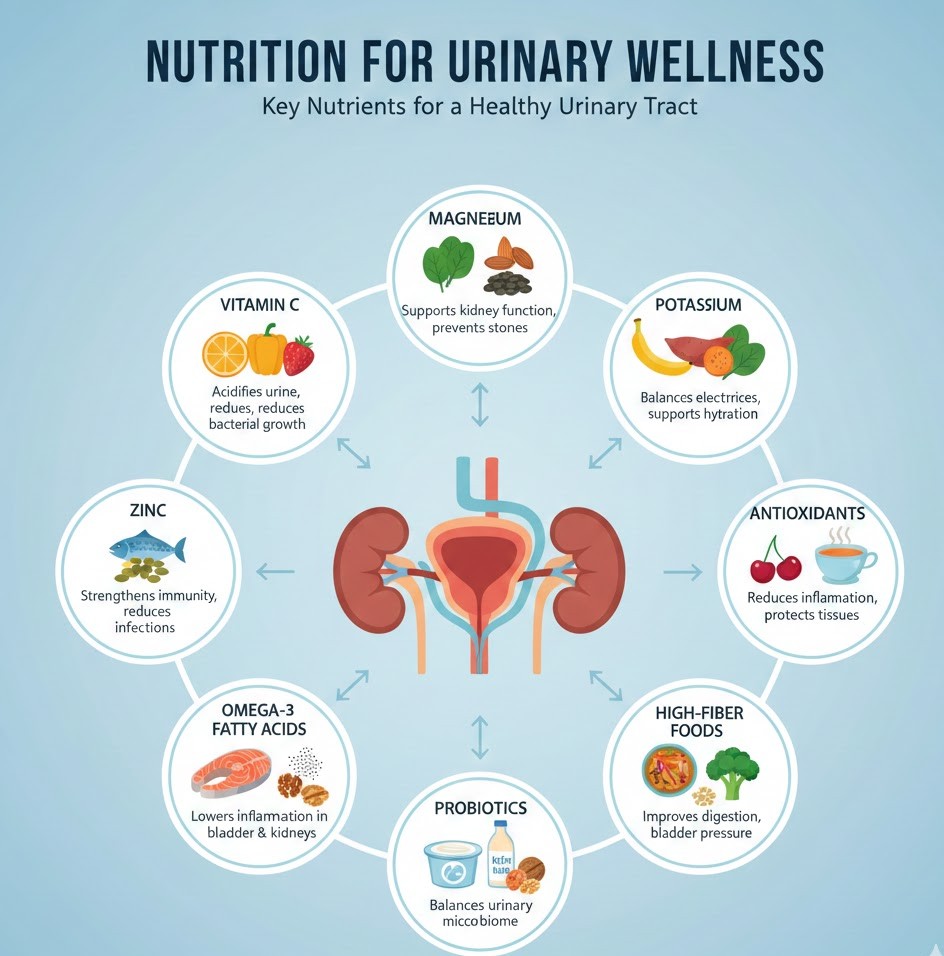
Proper nutrition plays a key role in maintaining a healthy urinary tract. Nutrients and foods that support urinary health include:
- Vitamin C: Found in citrus fruits, strawberries, bell peppers, and broccoli, it helps acidify urine, reducing bacterial growth.
- Magnesium: Present in leafy greens, nuts, seeds, and whole grains, it supports kidney function and helps prevent urinary stones.
- Potassium: Foods like bananas, spinach, and sweet potatoes help balance electrolytes, support hydration, and maintain urinary pH.
- Zinc: Found in pumpkin seeds, legumes, and fish, zinc strengthens immunity, reducing the risk of infections.
- Antioxidants: Berries, cherries, and green tea provide antioxidants that reduce inflammation and protect urinary tract tissues.
- Omega-3 Fatty Acids: From salmon, sardines, chia seeds, and walnuts, they help lower inflammation in the bladder and kidneys.
- Probiotics: Yogurt, kefir, sauerkraut, and kimchi maintain a balanced urinary microbiome, preventing harmful bacterial overgrowth.
- High-Fiber Foods: Oats, lentils, beans, and vegetables improve digestion, prevent constipation, and indirectly reduce bladder pressure.
Best Foods for Bladder and Urinary Tract Health

A kidney and urinary tract diet focuses on foods that strengthen the urinary system, prevent infections, reduce inflammation, and support overall bladder function. Here are some of the best foods to include:
- Cranberries and Bladder Health: Fresh cranberries or unsweetened cranberry juice contain compounds called proanthocyanidins, which help prevent harmful bacteria from sticking to the bladder walls. This reduces the risk of recurring UTIs and supports long-term urinary wellness.
- High-Fiber Foods: Foods such as oats, lentils, beans, and whole grains improve digestion and prevent constipation, which can put pressure on the bladder. A fiber-rich diet keeps the digestive system moving smoothly and indirectly supports bladder function.
- Probiotic Foods: Yogurt, kefir, sauerkraut, kimchi, and other fermented foods promote a balanced urinary microbiome. Probiotics help increase beneficial bacteria, reduce infection risk, and support overall urinary harmony.
- Best Vegetables for Urinary Health: Leafy greens, zucchini, broccoli, cauliflower, bell peppers, and cucumbers are rich in vitamins, antioxidants, and water content. These vegetables help reduce inflammation, support kidney function, and maintain a healthy urinary pH level.
- Low-Glycemic Fruits: Apples, pears, cherries, and berries help maintain blood sugar balance while supporting urinary health. Their antioxidants help protect bladder tissues, while their lower sugar content prevents irritation and unwanted glucose spikes.
Foods to Avoid for Urinary Health
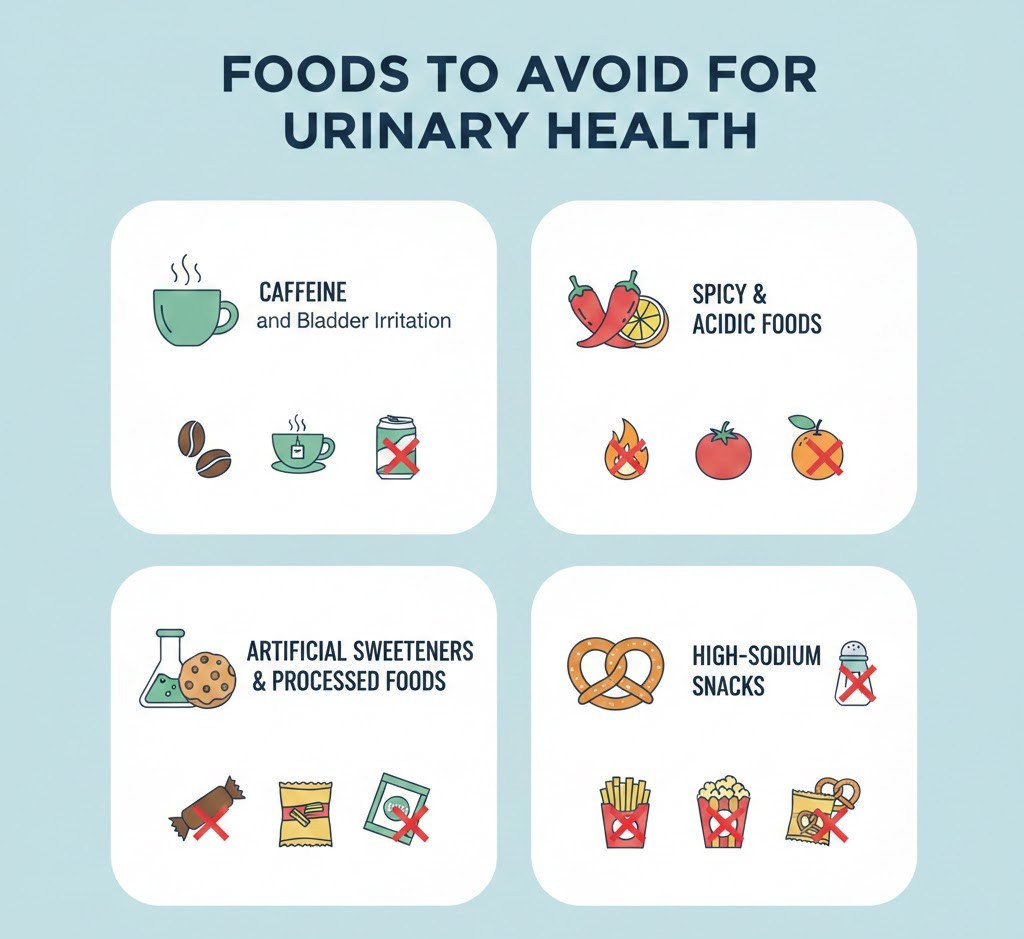
Avoiding certain foods can significantly reduce bladder irritation, prevent infections, and support overall urinary tract comfort. Here are the main triggers to watch out for:
- Caffeine and Bladder Irritation: Coffee, black tea, green tea, sodas, and energy drinks can increase bladder urgency, frequency, and discomfort. Caffeine acts as a diuretic and bladder stimulant, making symptoms worse for those with sensitive urinary tracts.
- Spicy and Acidic Foods: Foods such as chili, hot sauces, citrus fruits, tomatoes, and vinegar-based dishes may trigger bladder sensitivity. These foods can irritate the bladder lining and lead to burning sensations or increased urgency.
- Artificial Sweeteners and Processed Foods: Artificial sweeteners like aspartame, saccharin, and sucralose along with processed snacks and packaged foods can worsen urinary symptoms. They may irritate the bladder and disrupt the urinary microbiome.
- High-Sodium Snacks: Chips, packaged soups, instant noodles, and other salty foods can strain kidney function and lead to water retention. Excess salt reduces urine dilution, making the bladder more prone to irritation and discomfort.
Anti-Inflammatory Diet for Urinary System
An anti-inflammatory diet for the urinary system helps reduce bladder irritation, prevent recurring UTIs, and support long-term kidney and urinary tract health. Including anti-inflammatory foods in your daily meals strengthens immunity, balances urinary pH, and protects the bladder lining.
Healthy Fats: Olive oil, avocado, flaxseeds, almonds, and walnuts provide anti-inflammatory nutrients that support kidney function and help soothe bladder irritation.
Omega-3 Fatty Acids: Foods like salmon, sardines, chia seeds, and walnuts are rich in omega-3s, which help reduce inflammation in the bladder and urinary tract while supporting overall immune health.
Alkaline Foods: Leafy greens, cucumbers, celery, and low-acid fruits help maintain a balanced urinary pH. A more alkaline environment makes it harder for harmful bacteria to grow and supports long-term urinary comfort.
Key Lifestyle Tips for a Healthy Urinary Tract
Maintaining urinary tract health goes beyond diet. Incorporating healthy lifestyle habits can prevent infections, reduce irritation, and support long-term bladder and kidney function.
- Eat Smaller, Frequent Meals: Eating smaller portions throughout the day helps prevent urinary pressure and supports consistent energy levels.
- Exercise Regularly: Physical activity improves blood circulation, supports kidney function, and reduces the risk of urinary complications.
- Monitor Symptoms: Keep track of any urinary discomfort, urgency, or unusual changes, and seek medical advice if symptoms persist.
- Stay Hydrated: Avoid skipping water intake to prevent bacterial buildup and maintain proper urine flow.
- Practice Good Hygiene: Proper personal hygiene reduces the risk of infections and helps maintain a healthy urinary tract.
Conclusion
Maintaining a healthy urinary tract is essential for bladder comfort, kidney function, and overall wellness, and diet plays a key role. Drinking plenty of water and herbal teas, eating cranberries, low-glycemic fruits, high-fiber vegetables, and probiotic foods help prevent infections and support urinary health. Including anti-inflammatory foods, omega-3 rich fish, lean proteins, and alkaline vegetables reduces irritation, balances urinary pH, and strengthens kidney and bladder function. Avoiding caffeine, alcohol, spicy foods, artificial sweeteners, and high-sodium processed foods further protects the urinary system. Along with proper nutrition, healthy lifestyle habits like regular exercise, smaller frequent meals, good hygiene, and monitoring urinary symptoms enhance urinary tract health and reduce the risk of long-term complications.
FAQs
What is a healthy urinary tract?
A healthy urinary tract includes properly functioning kidneys, bladder, ureters, and urethra, allowing efficient filtration, storage, and elimination of urine while preventing infections and irritation.
Why is diet important for urinary tract health?
Diet impacts urinary health by supporting bladder and kidney function, preventing infections, reducing inflammation, and maintaining urinary pH balance.
How much water should I drink for a healthy urinary tract?
Aim for 6–8 glasses of water daily. Herbal teas like chamomile, nettle, or dandelion can also support urinary health.
Which foods help prevent urinary tract infections (UTIs)?
Cranberries, low-glycemic fruits, high-fiber vegetables, and probiotic foods like yogurt, kefir, and fermented vegetables help prevent UTIs.
What foods should I avoid to protect my urinary tract?
Limit caffeine, alcohol, spicy and acidic foods, artificial sweeteners, and high-sodium processed foods to reduce bladder irritation.
Can probiotics improve urinary health?
Yes, probiotics promote a balanced urinary microbiome, which helps prevent infections and supports bladder function.
Which anti-inflammatory foods are beneficial for the urinary system?
Healthy fats like olive oil, avocado, flaxseeds, nuts, omega-3 rich fish like salmon, and alkaline vegetables help reduce inflammation and support kidney and bladder function.
How does maintaining urinary pH help prevent UTIs?
A balanced, slightly alkaline urinary pH makes it harder for harmful bacteria to grow, reducing infection risk and bladder irritation.
What lifestyle habits support a healthy urinary tract?
Regular exercise, eating smaller frequent meals, good hydration, monitoring symptoms, and practicing proper hygiene support urinary tract health.
Can dietary habits affect long-term kidney and bladder health?
Yes, consistent healthy eating, avoiding irritants, and staying hydrated can prevent long-term complications like chronic inflammation, recurrent UTIs, and kidney stress.
References
- Eating Healthy For Your Urinary System. (2025, June 2). Astera Urology. Retrieved December 9, 2025, from https://asteraurology.org/news/eating-healthy-for-your-urinary-system
- How to improve urinary tract health: habits, diet and supplements. (2025, January 31). GUA Urología y Andrología. Retrieved December 9, 2025, from https://urologiayandrologia.com/en/como-mejorar-la-salud-del-tracto-urinario-habitos-dieta-y-suplementos/
- Optimal Health: Diet and Hydration for Your Urinary System. (2024, May 17). Northwoods Urology. Retrieved December 9, 2025, from https://northwoodsurology.com/2024/05/17/optimal-health-diet-and-hydration-for-your-urinary-system/
- 10 Foods Your Bladder Will Fall in Love With. (2018, September 17). Urology Care Foundation. Retrieved December 9, 2025, fromhttps://www.urologyhealth.org/healthy-living/care-blog/10-foods-your-bladder-will-fall-in-love-with
- Verma, V. (n.d.). Top Foods for Urinary Tract Health and What to Avoid | Max Hospital. Max Healthcare. Retrieved December 9, 2025, fromhttps://www.maxhealthcare.in/blogs/foods-to-eat-and-avoid-for-urinary-health

Eryn Ellison is a PharmD with 8 years in hospital and ambulatory care. A graduate of the UNC Eshelman School of Pharmacy (2017), Eryn completed a PGY-1 Pharmacy Residency at Cleveland Clinic and holds BCPS certification from the Board of Pharmacy Specialties. They evaluate supplement efficacy, safety, and interactions with common prescriptions. Eryn has authored formulary reviews for P&T committees and consults on deprescribing protocols within large health systems. Credentials: state pharmacist license, BCPS ID, and professional profiles.