

Maintaining a healthy urinary system is essential for comfort, infection prevention, and overall wellness. Adopting home remedies for urinary tract support can help protect bladder function, prevent infections, and promote long-term urinary health. With simple lifestyle changes, hydration habits, and daily routines, you can achieve a healthier urinary system without relying on medications.
Key Takeaways
- Urinary tract issues often result from dehydration, poor hygiene, high caffeine intake, or weak pelvic floor muscles.
- Practicing lifestyle tips for bladder health and following everyday urinary health tips supports natural urinary tract wellness.
- Simple habits like urinary tract hygiene practices, proper hydration, and bladder-friendly daily routines help prevent UTIs and maintain bladder comfort.
- Tracking your habits, establishing routines, and adopting best habits for urinary system wellness help sustain long-term urinary tract support.
- Regular doctor checkups for bladder health ensure early detection of issues and complement home remedies for urinary tract support.
What Is Urinary Tract Health?

The urinary tract, which includes the kidneys, ureters, bladder, and urethra, is responsible for removing waste, regulating fluids, and maintaining overall body balance. Proper urinary care is essential, as neglect can lead to UTIs, kidney stones, incontinence, and other complications. By practicing home remedies for urinary tract support, including hydration habits, urinary tract hygiene practices, bladder-friendly daily routines, and daily urinary care steps, you can naturally maintain urinary system wellness, prevent infections, and support long-term bladder health.
Causes of Urinary Tract Issues
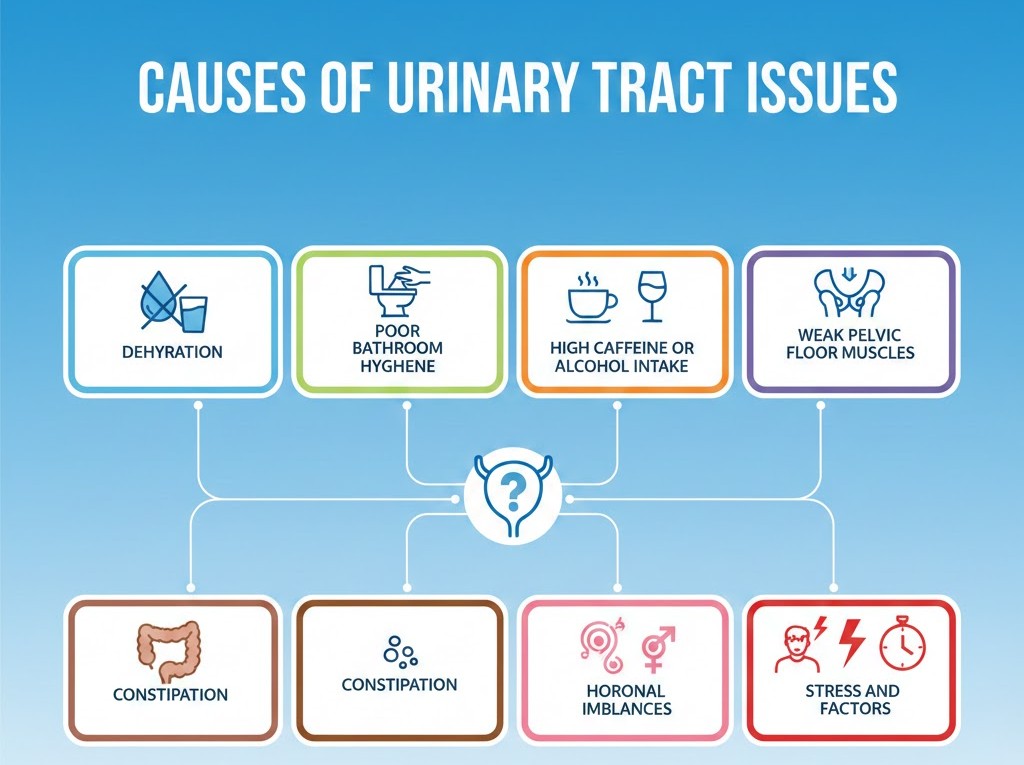
Urinary tract problems are common and can affect people of all ages. Understanding the underlying causes is essential for preventing infections, maintaining bladder health, and practicing effective home remedies for urinary tract support. Several lifestyle, dietary, and hygiene factors can contribute to urinary issues:
- Dehydration: Not drinking enough water concentrates urine, increasing the risk of urinary tract infections (UTIs).
- Poor Bathroom Hygiene: Improper wiping techniques or infrequent urination can allow bacteria to accumulate.
- High Caffeine or Alcohol Intake: Both irritate the bladder and can worsen urinary discomfort.
- Weak Pelvic Floor Muscles: Reduced muscle strength can lead to poor bladder control and urinary retention.
- Constipation: Straining during bowel movements puts pressure on the bladder and urinary tract.
- Hormonal Imbalances: Changes in hormones, especially in women, can affect bladder function and increase infection risk.
- Stress and Lifestyle Factors: Chronic stress, inadequate sleep, and sedentary habits may indirectly contribute to urinary tract issues.
Why Natural Urinary Tract Support Matters

Maintaining natural urinary tract support not only promotes overall health but also prevents infections, improves bladder function, enhances comfort, and supports long-term wellness.
- Lower Risk of UTIs and Infections: Adopting home remedies for urinary tract support and bladder-friendly daily practices helps flush out bacteria, maintain a healthy urinary microbiome, and reduce the risk of urinary tract infections safely and effectively.
- Support Kidney and Bladder Function: Proper hydration, pelvic floor exercises, and gentle bladder training relieve pressure on the urinary system, improve urine flow, and support optimal kidney and bladder performance.
- Enhance Comfort and Daily Well-Being: Following daily urinary care steps, wearing breathable clothing, and practicing good hygiene reduce irritation and discomfort, boosting confidence and overall quality of life.
- Promote Long-Term Urinary Wellness: Natural remedies such as herbal teas, probiotic foods, and stress management, combined with regular medical checkups, help maintain balanced urinary tract health, prevent chronic urinary issues, and ensure lasting wellness.
Home Remedies for Urinary Tract Support
Maintaining a healthy urinary system is vital for overall well-being. The urinary tract, which includes the kidneys, ureters, bladder, and urethra, plays a crucial role in removing waste, balancing fluids, and regulating essential minerals in the body. While medical care is necessary for infections or serious conditions, simple home remedies for urinary tract support can help prevent discomfort, reduce the risk of infections, and promote long-term urinary wellness. Incorporating natural practices into your daily routine strengthens bladder function and supports overall urinary system health.
1. Stay Hydrated

Proper hydration is the most important factor for urinary health. Drinking enough water helps flush out toxins, bacteria, and other waste products from the urinary tract, which lowers the risk of infections and inflammation. Staying hydrated also prevents urine from becoming concentrated, which can reduce the risk of kidney stones and maintain the balance of electrolytes. Consistently drinking water throughout the day supports optimal kidney function and overall urinary system performance.
Tips for Staying Hydrated:
- Drink at least 8–10 glasses of water daily.
- Include water-rich fruits like watermelon, cucumber, and oranges.
- Herbal teas like chamomile or peppermint can supplement hydration.
- Avoid sugary drinks that can promote bacterial growth.
2. Practice Good Urinary Tract Hygiene

Good hygiene is essential to prevent urinary tract infections (UTIs). Bacteria can easily enter the urethra, particularly in women, if proper hygiene is not maintained. Gentle cleaning routines, correct wiping techniques, and regular washing reduce irritation and minimize bacterial exposure. Additionally, wearing breathable clothing and changing wet garments promptly helps maintain a clean and dry environment for the genital area, reducing the risk of infections.
Practical Hygiene Steps:
- Wipe from front to back after using the toilet.
- Avoid harsh soaps or chemical washes in the genital area.
- Wear clean, breathable cotton underwear.
- Change wet clothing, like swimsuits or sweaty workout clothes, immediately.
3. Include Cranberries or Cranberry Juice

Cranberries contain compounds called proanthocyanidins that prevent harmful bacteria, particularly E. coli, from adhering to the walls of the bladder. This natural mechanism helps prevent urinary tract infections and promotes overall bladder health. Regular consumption of cranberry juice or supplements may provide additional protection, especially for individuals prone to recurrent UTIs. Combining cranberry intake with adequate hydration can maximize its protective benefits.
How to Include Cranberries:
- Drink unsweetened cranberry juice regularly.
- Take cranberry capsules as directed by a healthcare professional.
- Combine with water to avoid concentrated sugar intake.
- Include fresh cranberries in smoothies or salads.
4. Eat a Balanced Diet

A well-balanced diet supports the immune system and overall urinary tract function. Nutrient-rich foods can help prevent infections and inflammation in the urinary tract. Foods with antibacterial and anti-inflammatory properties, such as garlic, turmeric, and ginger, help fight harmful bacteria naturally. Probiotic foods like yogurt maintain a healthy gut and urinary microbiome, which supports bladder health and strengthens resistance to infections.
Diet Tips for Urinary Health:
- Include garlic, turmeric, and ginger for their natural antibacterial properties.
- Eat probiotic-rich foods like yogurt to support gut and urinary microbiomes.
- Consume plenty of fresh fruits, leafy greens, and whole grains.
- Limit processed foods and excessive sugar to prevent bacterial overgrowth.
5. Practice a Morning Routine for Urinary Wellness
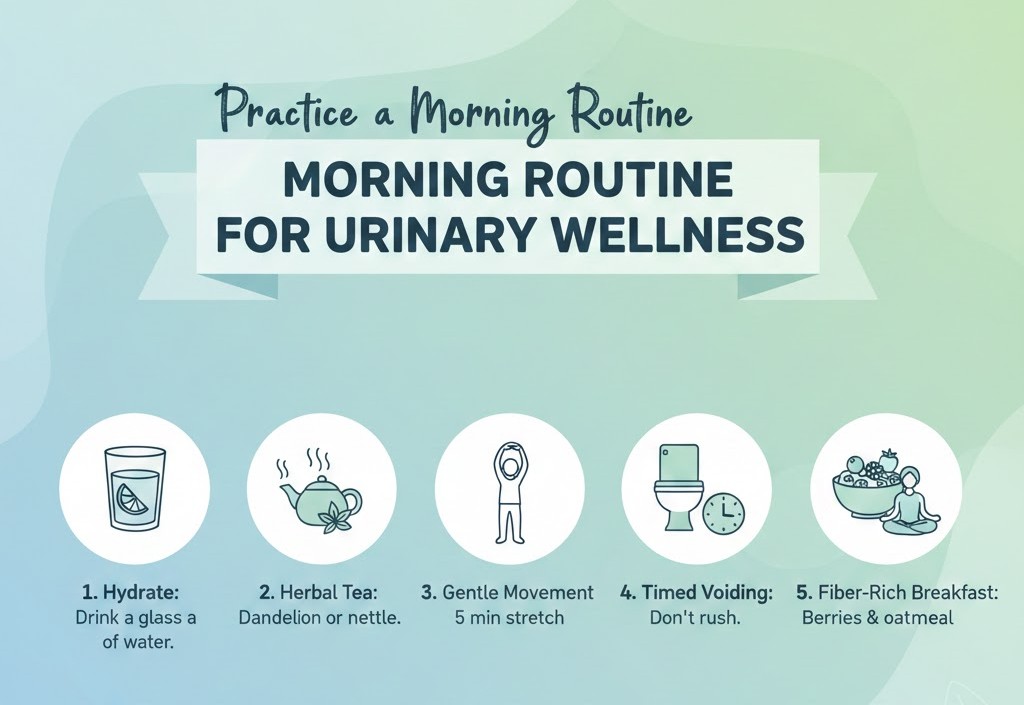
Establishing a consistent morning routine can improve urinary health by flushing out overnight bacterial accumulation and stimulating kidney function. Drinking water first thing in the morning helps cleanse the bladder and promotes optimal hydration. Including light stretching or yoga in the morning can increase circulation to the pelvic area, support bladder function, and enhance urinary flow. Consistently following a morning routine helps reinforce healthy urinary habits throughout the day.
Morning Routine Tips:
- Empty your bladder first thing after waking up.
- Drink a glass of water immediately to flush out toxins.
- Consider light stretching or yoga to improve circulation.
- Make this routine consistent every day.
6. Avoid Irritants

Certain foods and drinks can irritate the bladder lining, leading to discomfort, urgency, or frequent urination. Reducing or avoiding these irritants helps maintain bladder comfort and supports overall urinary tract wellness. Choosing gentle, natural alternatives can soothe the urinary system while still keeping you hydrated.
Foods to Limit or Avoid:
- Caffeine and carbonated drinks.
- Alcohol and artificial sweeteners.
- Spicy or acidic foods.
- Excessive sugar.
Alternatives:
- Herbal teas like chamomile, fennel, or dandelion.
- Fresh water or infused water with fruits.
7. Maintain a Regular Bathroom Schedule
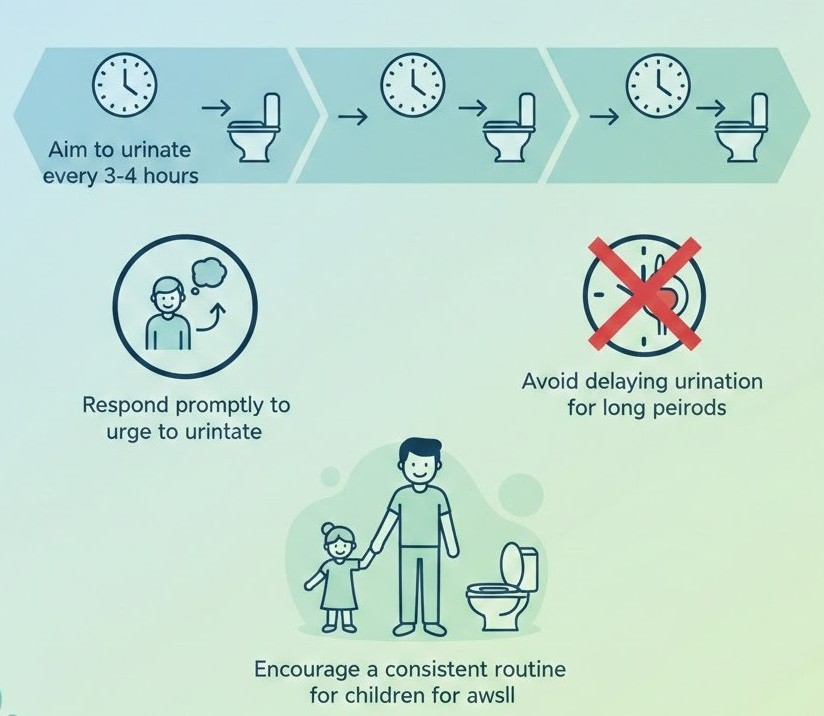
Holding urine for long periods can weaken bladder muscles and allow bacteria to multiply, increasing the risk of infections. Establishing a regular bathroom schedule supports normal bladder function and prevents urinary retention. Teaching children consistent bathroom habits can also help prevent infections from an early age. Responding promptly to the urge to urinate keeps the bladder healthy and prevents overdistension.
Tips for Regular Bathroom Habits:
- Aim to urinate every 3-4 hours.
- Respond promptly to the urge to urinate.
- Avoid delaying urination for long periods.
- Encourage a consistent routine for children as well.
8. Practice Gentle Exercise

Exercise improves circulation, supports kidney function, and strengthens the muscles involved in bladder control. Pelvic floor exercises, such as Kegels, help prevent urinary leakage and improve overall urinary control. Regular movement also reduces stress, which can indirectly benefit bladder function and urinary tract health.
Exercise Tips:
- Walk, stretch, or practice yoga daily.
- Do 5–10 minutes of pelvic floor exercises.
- Take short movement breaks if sitting for long periods.
- Avoid high-impact exercises that may strain the pelvic area.
9. Use Warm Sitz Baths

Warm sitz baths help soothe irritation, relax pelvic muscles, and reduce inflammation in the urinary tract. They are particularly useful after minor infections or urinary discomfort. Adding essential oils can enhance the calming effects and provide mild antibacterial benefits.
Sitz Bath Tips:
- Fill a small tub with warm water and sit for 10–15 minutes.
- Add a few drops of essential oils like lavender or chamomile.
- Repeat 1–2 times daily for mild irritation.
- Ensure the water is not too hot to avoid burns.
10. Avoid Tight Clothing

Tight clothing can trap heat and moisture, creating an environment for bacteria to grow. Wearing loose, breathable clothing supports urinary tract hygiene and helps reduce the risk of irritation and infections. Choosing appropriate clothing also promotes comfort during daily activities.
Clothing Tips:
- Opt for cotton underwear and loose pants.
- Avoid wearing wet swimsuits or damp workout clothes for long periods.
- Change clothing immediately after exercise.
- Ensure proper ventilation in intimate areas.
Foods to Include vs. Foods to Avoid for Urinary Tract Health
Eating the right foods is essential for maintaining urinary tract wellness, preventing infections, and supporting bladder function. A diet rich in hydrating fluids, probiotics, and anti-inflammatory foods helps flush out bacteria, maintain a healthy urinary microbiome, and reduce irritation. Conversely, certain foods and drinks can irritate the bladder, increase urinary frequency, or contribute to infections. Here’s a guide to the best foods to include and those to avoid:
| Foods to Eat | Foods to Avoid |
| Hydrating Fluids: Water, herbal teas help flush out bacteria and maintain urine flow. | Sugary Drinks: Soda, sweetened coffee can irritate the bladder and encourage bacterial growth. |
| Cranberries & Blueberries: Contain compounds that prevent bacteria from adhering to the urinary tract. | Processed Snacks & Chips: High in unhealthy fats and low in nutrients, which may increase inflammation. |
| Probiotic Foods: Yogurt, kefir, and fermented foods support a balanced urinary and gut microbiome. | Excess Caffeine & Alcohol: Can irritate the bladder and increase urinary urgency. |
| Leafy Greens & Vegetables: High in fiber, prevent constipation, and reduce pressure on the bladder. | Spicy or Acidic Foods: May cause bladder irritation or urinary discomfort. |
| Whole Grains: Oats, quinoa, brown rice provide fiber for digestive health and regular bowel movements. | Artificial Sweeteners: Can increase urinary urgency or bladder sensitivity. |
| Lean Proteins: Chicken, fish, tofu support overall health without irritating the bladder. | Fried or Greasy Foods: Promote inflammation and can worsen urinary issues. |
How to Diagnose Urinary Tract Issues
Proper diagnosis is essential for identifying the cause of urinary discomfort, infections, or other urinary tract problems. Early detection helps prevent complications and ensures effective treatment. Diagnosis involves evaluating symptoms, reviewing medical history, and conducting clinical tests.
- Urine Tests: Urinalysis checks for bacteria, blood, or abnormal substances in the urine. A urine culture identifies the specific bacteria causing an infection.
- Blood Tests: Assess kidney function and detect any systemic infection that may affect the urinary tract.
- Imaging Tests: Ultrasounds, CT scans, or X-rays help detect kidney stones, structural issues, or blockages in the urinary system.
- Physical Examination: Doctors may examine the abdomen and pelvic area to identify tenderness, swelling, or signs of bladder dysfunction.
Treatment Options for Urinary Tract Health
Once the cause is identified, treatment can target the underlying issue and relieve symptoms. Approaches vary depending on severity and may include lifestyle modifications, medications, or home remedies.
- Hydration: Drinking plenty of water helps flush bacteria and toxins from the urinary tract.
- Cranberry Products: Cranberry juice or supplements may help prevent bacteria from adhering to the bladder wall.
- Antibiotics: Prescribed when a urinary tract infection (UTI) is confirmed to eliminate bacteria.
- Pain Relief: Over-the-counter medications can reduce discomfort, burning, or urgency associated with infections.
- Probiotics: Foods like yogurt or supplements support a healthy urinary and gut microbiome.
- Lifestyle Changes: Limiting caffeine, alcohol, and bladder irritants; practicing good hygiene; and performing pelvic floor exercises help prevent future issues.
When to See a Doctor
It’s important to recognize warning signs that indicate a potentially serious urinary tract problem. Timely medical attention can prevent complications and support long-term urinary health.
Seek medical advice if you experience:
- Persistent burning or pain during urination
- Frequent urges to urinate or sudden urinary urgency
- Cloudy, foul-smelling, or bloody urine
- Lower abdominal, pelvic, or back pain
- Fever, chills, or nausea (possible kidney involvement)
Conclusion
Maintaining urinary tract health is essential for comfort, infection prevention, and overall wellness. Simple home remedies like staying hydrated, practicing good hygiene, eating cranberries, probiotics, fiber-rich foods, and avoiding bladder irritants support bladder function and prevent infections. Lifestyle habits such as pelvic floor exercises, gentle exercise, warm sitz baths, and wearing breathable clothing further enhance urinary wellness. Diagnosis involves urine and blood tests, imaging, and physical exams, while treatment may include antibiotics, hydration, cranberry products, and lifestyle changes. Seek medical attention for persistent pain, frequent urgency, cloudy or bloody urine, abdominal or back pain, or fever, as these may indicate serious urinary issues.
FAQs
What are the best home remedies for urinary tract support?
Staying hydrated, practicing good hygiene, eating cranberries, including probiotics, maintaining a balanced diet, avoiding irritants, exercising, and following a regular bathroom routine are effective home remedies.
How much water should I drink daily to support my urinary tract?
Aim for at least 8–10 glasses of water daily to flush out bacteria and prevent concentrated urine that can lead to infections or kidney stones.
Can cranberry juice really prevent urinary tract infections (UTIs)?
Yes, cranberries contain compounds called proanthocyanidins that prevent harmful bacteria from adhering to the bladder walls, reducing the risk of UTIs.
What hygiene practices help maintain urinary tract health?
Wipe from front to back, avoid harsh soaps, wear breathable cotton underwear, and change wet clothing promptly to reduce bacterial exposure.
Are probiotics helpful for urinary health?
Yes, probiotic-rich foods like yogurt and kefir support a healthy gut and urinary microbiome, which helps prevent infections.
Which foods should I avoid to prevent bladder irritation?
Limit caffeine, alcohol, sugary drinks, spicy or acidic foods, and artificial sweeteners, as they can irritate the bladder and worsen urinary symptoms.
How does exercise help urinary tract wellness?
Gentle exercise and pelvic floor exercises improve circulation, strengthen bladder muscles, reduce stress, and support overall urinary tract function.
When should I see a doctor for urinary issues?
Seek medical advice for persistent burning or pain during urination, frequent urgency, cloudy or bloody urine, lower abdominal/back pain, or fever and chills.
Are warm sitz baths effective for urinary discomfort?
Yes, warm sitz baths soothe irritation, relax pelvic muscles, and reduce inflammation, offering relief from mild urinary discomfort.
How can a morning routine improve bladder health?
Drinking water first thing in the morning, emptying the bladder, and light stretching help flush out bacteria, improve circulation, and promote optimal urinary function.
References
- Best 12 Home Remedies For UTIS – Get Rid Of Your UTI FAST! (n.d.). National Association For Continence. Retrieved December 11, 2025, fromhttps://nafc.org/bhealth-blog/home-remedies-for-utis/
- 7 Things You Can Do to Get Rid of a Urinary Tract Infection (UTI) Fast. Christina Aungst, PharmD. (2025, July 24). GoodRx. Retrieved December 11, 2025, from https://www.goodrx.com/conditions/urinary-tract-infection/get-rid-of-uti-fast?srsltid=AfmBOoq-aPk3mLcQPMkKcmZuEnybVt9tB6IU0nnRuk6gnduXx9KKA5oq
- Goodbye, UTIs: Top 10 Home Remedies For UTI Treatments That Works. (n.d.). North Houston Cancer Clinics. Retrieved December 11, 2025, fromhttps://nhcancerclinics.com/blog/goodbye-utis-top-10-home-remedies-for-uti-treatments-that-works/
- Home Remedies for UTI: A Urologist’s Top Picks. Michel, K. (n.d.). Comprehensive Urology. Retrieved December 11, 2025, fromhttps://comprehensive-urology.com/urologist-desk/home-remedies-for-uti/
- 9 Home Remedies for UTIs: How to Get Rid of Bladder Infections. (2022, May 9). Nebraska Medicine. Retrieved December 11, 2025, fromhttps://www.nebraskamed.com/womens-health/gynecology/9-home-remedies-for-utis-how-to-get-rid-of-bladder-infections

Eryn Ellison is a PharmD with 8 years in hospital and ambulatory care. A graduate of the UNC Eshelman School of Pharmacy (2017), Eryn completed a PGY-1 Pharmacy Residency at Cleveland Clinic and holds BCPS certification from the Board of Pharmacy Specialties. They evaluate supplement efficacy, safety, and interactions with common prescriptions. Eryn has authored formulary reviews for P&T committees and consults on deprescribing protocols within large health systems. Credentials: state pharmacist license, BCPS ID, and professional profiles.