

Low carb and fasting diets such as keto and intermittent fasting have become incredibly popular for weight loss and metabolic health. While these eating plans can improve blood sugar control and promote fat loss, their effects on bone health are often overlooked. Your bones are living tissues that constantly remodel themselves and long term changes in diet, metabolism, and hormones can directly impact bone strength and density. Understanding How Keto and Intermittent Fasting Impact Bone Strength can help you make smarter diet choices without compromising long term strength.
Key Takeaways
- Ketogenic and intermittent fasting diets may influence bone metabolism and density over time.
- Reduced intake of key nutrients such as calcium, magnesium, and vitamin D can affect bone strength.
- Rapid weight loss and hormonal changes can alter bone turnover rates.
- Adequate nutrition, exercise, and hydration help protect bone health while dieting.
- A balanced, well planned approach is crucial for long term skeletal strength.
Understanding the Connection Between Bone Health and Diet
Bone health is deeply influenced by what we eat and how our body processes nutrients. Bones are living tissues that continuously renew through the breakdown of old bone (resorption) and the formation of new bone. To maintain this delicate balance, the body requires a consistent intake of essential nutrients such as calcium, vitamin D, magnesium, and protein along with hormonal stability and regular physical activity. When nutrition is inadequate or unbalanced, as seen in restrictive or extreme diets, the body may lose more bone than it rebuilds, leading to a gradual decline in bone strength and density.
Diet plays a central role in supporting bone metabolism and preventing long term issues like osteopenia or osteoporosis. Poor eating habits, rapid weight loss, or chronic nutrient deficiencies can weaken bones over time. Prioritizing a nutrient rich, balanced diet filled with whole foods, healthy fats, lean proteins, and micronutrients helps ensure your bones remain strong, resilient, and well supported throughout life.
How Diets Like Keto & Intermittent Fasting Affect Bone Health
Your diet plays a vital role in maintaining bone strength and density throughout life. Bones depend on essential nutrients like calcium, vitamin D, magnesium, and protein to continuously rebuild and stay strong. When diets significantly reduce these nutrients as in very low carb or fasting based eating plans they can interfere with calcium absorption, hormone balance, and bone renewal. Over time, poor nutrition or extreme restriction can slow bone formation and increase the risk of bone loss and fractures. Understanding how certain diets influence these processes helps you make better dietary choices for long term skeletal health.
Two of the most common dietary approaches that may influence bone health are the ketogenic diet and intermittent fasting. Both have potential benefits for metabolism and weight management, but if not managed properly, they can also impact nutrient balance and bone density.
Keto Diet and Bone Health
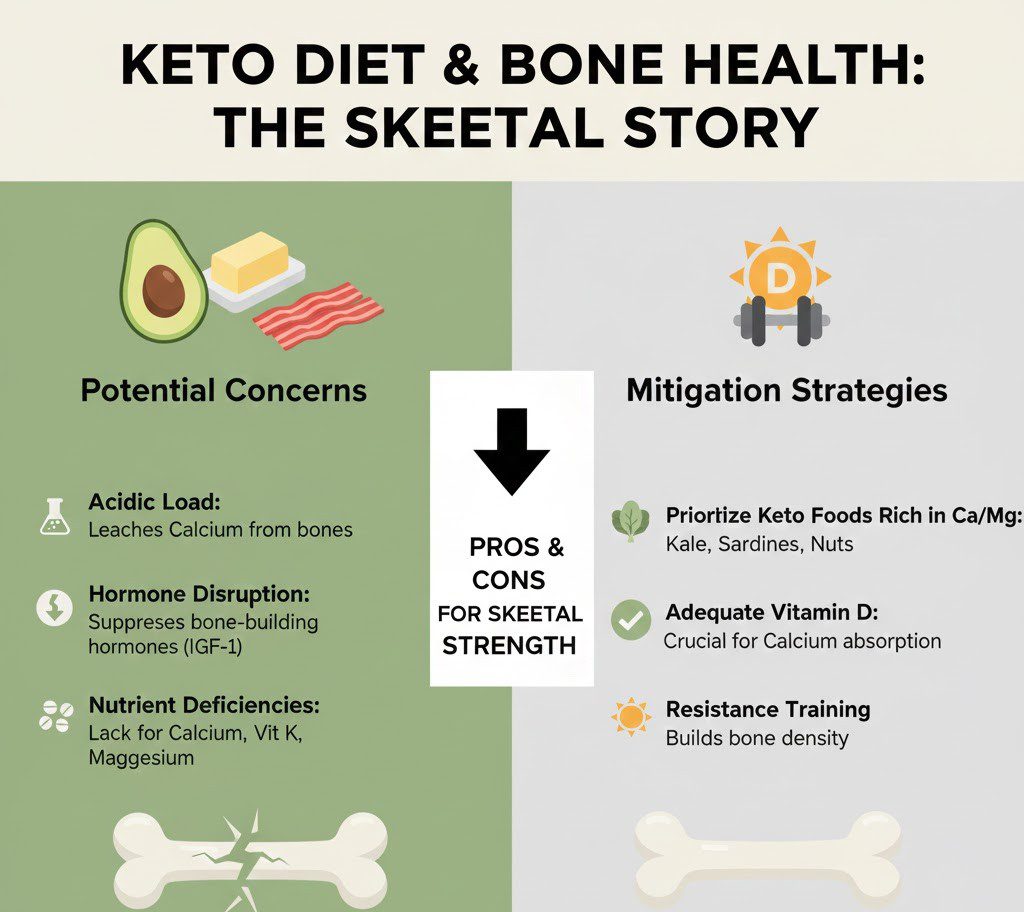
The ketogenic diet is high in fat, moderate in protein, and very low in carbohydrates. While the ketogenic diet effectively aids in weight management and stabilizing blood sugar, its long term impact on bone health is influenced by how well it provides essential nutrients. An imbalance in key minerals, vitamins, and protein intake can affect bone density, calcium absorption, and overall skeletal strength. Several factors within this diet can influence bone metabolism and overall skeletal stability:
- The keto diet may lower calcium, magnesium, and vitamin D intake due to limited fruits, dairy, and grains, which are essential for maintaining bone strength.
- High protein and fat consumption can increase acidity in the body, which may reduce calcium retention and gradually weaken bone density.
- Rapid or excessive weight loss while on keto can lead to a decrease in bone mass, particularly in older adults and postmenopausal women.
- Including foods such as leafy greens, nuts, seeds, and low carb dairy helps provide necessary nutrients that support bone formation and maintenance.
- Regular weight bearing exercise, proper hydration, and balanced mineral intake make the keto approach safer and more effective for long term bone health.
Ensuring a nutrient rich keto plan supported by physical activity and sufficient hydration helps maintain strong bones while achieving metabolic and weight management goals.
Intermittent Fasting and Bone Health
Intermittent fasting involves alternating periods of eating and fasting commonly through methods like the 16:8 or 5:2 plan. It offers proven benefits for metabolism, insulin sensitivity, and fat loss, but its influence on bone health depends largely on meal quality, nutrient balance, and fasting duration. When fasting schedules are not properly managed, nutrient gaps or hormonal changes can impact bone renewal and strength. The following factors play a role in how fasting affects bone health:
- Shorter eating periods during fasting can reduce the intake of calcium, vitamin D, and protein, which are vital nutrients for bone remodeling and repair.
- Extended fasting periods may alter hormone levels such as estrogen, insulin, and cortisol, which are key regulators of bone density.
- Inadequate calorie or protein consumption can slow bone formation and reduce muscle support around the skeleton, increasing the risk of bone loss.
- When balanced correctly, intermittent fasting may help lower inflammation and oxidative stress, both of which can support healthier bone metabolism.
- Consuming nutrient dense meals, staying well hydrated, and engaging in strength or resistance training can help preserve bone density during fasting.
Maintaining proper nutrition and consistent exercise during intermittent fasting ensures that metabolic benefits are achieved without compromising long term skeletal health.
Nutrients That Support Bone Health on Any Diet
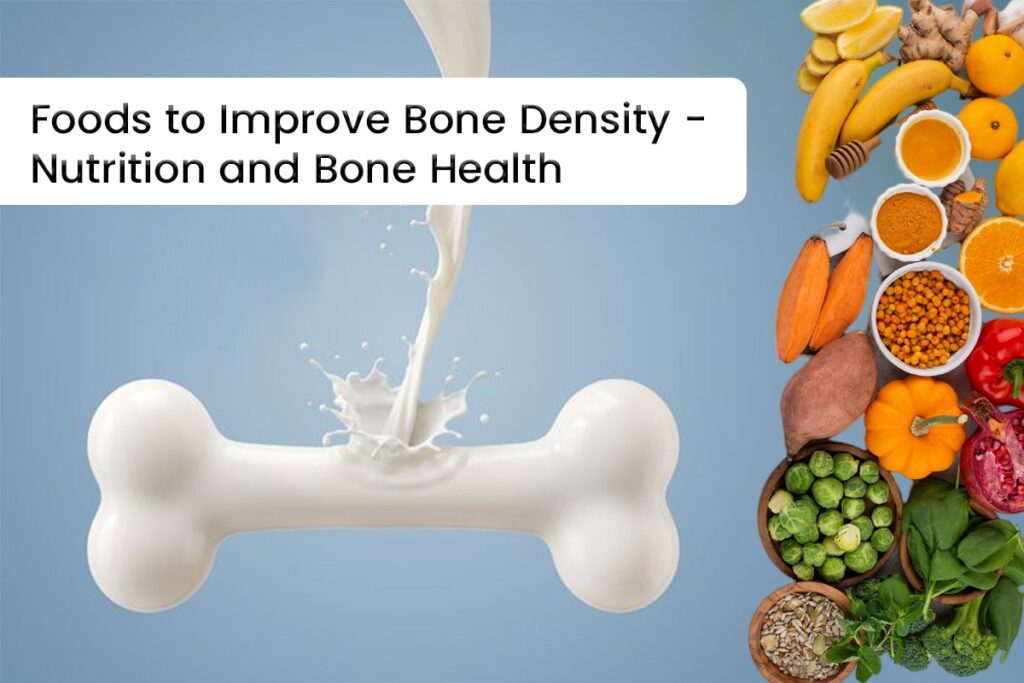
No matter what diet you follow, your bones need specific nutrients to stay strong, dense, and resilient. Focus on including the following in your daily meals:
- Calcium: Essential for building and maintaining strong bones and supporting overall bone density, found in dairy products, almonds, tofu, and leafy greens like spinach and kale.
- Vitamin D: Helps the body absorb and use calcium effectively, promoting bone strength and density, obtained through sunlight exposure, fortified foods, and supplements.
- Magnesium: Works with calcium to strengthen bone structure and support proper bone formation, found in nuts, seeds, avocados, and whole grains.
- Vitamin K2: Aids in directing calcium to the bones and preventing its buildup in blood vessels; present in eggs, cheese, and fermented foods like yogurt or natto.
- Protein: Provides the structural foundation for bone tissue and supports muscle mass that protects the skeleton; found in lean meats, beans, lentils, and eggs.
Tips to Protect Bone Health on Keto or Fasting Diets
Whether you’re following a ketogenic plan or practicing intermittent fasting, maintaining strong bones requires thoughtful nutrition and lifestyle habits. These tips can help you balance dietary goals with long term skeletal health:
- Eat nutrient dense foods: Prioritize calcium and magnesium rich foods such as leafy greens, almonds, chia seeds, broccoli, and low carb dairy products.
- Get enough vitamin D: Spend time in sunlight daily or take a supplement if needed to enhance calcium absorption and bone strength.
- Include quality protein: Choose lean meats, eggs, tofu, or legumes to support muscle and bone maintenance.
- Stay active: Engage in weight bearing and resistance exercises like walking, yoga, or light strength training to stimulate bone formation.
- Avoid extreme calorie restriction: Ensure your energy intake supports both metabolism and bone tissue renewal.
- Hydrate well: Drink plenty of water to maintain mineral balance and support joint and bone function.
- Rotate foods regularly: Vary your diet to cover all essential nutrients and prevent deficiencies common in restrictive plans.
- Track progress: Regularly monitor nutrient intake, especially calcium, vitamin D, and protein, to keep your bones healthy while dieting.
Who Is Most at Risk for Bone Loss on Restrictive Diets
Not everyone experiences the same impact of restrictive diets on bone health. Certain groups are more vulnerable to nutrient deficiencies, hormonal imbalances, and reduced bone density when following plans like keto or intermittent fasting. Being aware of these risk factors helps individuals take preventive steps to protect their bones.
- Postmenopausal women: The natural drop in estrogen levels after menopause accelerates bone loss, and restrictive diets can worsen this effect by reducing calcium and vitamin D intake.
- Older adults: Aging slows bone formation and decreases nutrient absorption, making it harder to maintain bone density during calorie or nutrient restriction.
- Athletes or individuals with rapid weight loss: Extreme calorie reduction or intense exercise without adequate nutrition can decrease bone formation and increase the risk of fractures.
- People with existing nutrient deficiencies: Those low in calcium, vitamin D, or magnesium are more likely to experience weakened bones when following unbalanced diets.
- Individuals with eating disorders or very low body weight: Chronic undernutrition and hormonal disturbances from low calorie intake significantly increase the risk of bone loss and osteoporosis.
Understanding who faces the highest risk allows for more careful diet planning and proactive monitoring. Individuals in these categories should consult healthcare professionals before starting restrictive diets to ensure they receive adequate nutrition and maintain bone strength.
When to Consult a Doctor
While keto and intermittent fasting can be beneficial when practiced correctly, medical guidance is crucial to avoid nutrient deficiencies and bone loss. Contact your healthcare provider if you experience any of the following:
- Persistent fatigue, weakness, or muscle cramps that may indicate low minerals or electrolyte imbalance.
- Bone, joint, or back pain that develops without injury or worsens over time.
- Frequent fractures or slow healing after minor injuries or strain.
- Unexplained weight loss or dizziness during dieting or fasting periods.
- Numbness, tingling, or brittle nails and hair, possible signs of calcium or vitamin D deficiency.
- Digestive discomfort or loss of appetite affecting nutrient absorption and overall bone strength.
Your doctor may recommend a bone density scan, vitamin D and calcium tests, or dietary adjustments to protect skeletal health. Regular checkups ensure that your bones stay strong while you pursue your dietary goals safely.
Conclusion
Low carb diets like keto and fasting routines such as intermittent fasting can aid weight loss and improve metabolism, but they may also affect bone health if not managed correctly. Bones are dynamic tissues that rely on nutrients such as calcium, vitamin D, magnesium, and protein for renewal and strength. Restrictive eating can limit these nutrients, disrupt hormones, and slow bone formation, increasing the risk of bone loss over time. A balanced approach with nutrient dense foods, hydration, and exercise supports both metabolic and skeletal health, helping you maintain strong bones while pursuing your diet goals.
FAQs
Can keto or intermittent fasting cause bone loss?
Yes, both diets can affect bone density if they lead to nutrient deficiencies, rapid weight loss, or hormonal imbalances. However, with proper nutrition and balance, the risk can be minimized.
What nutrients are most important for bone health while dieting?
Calcium, vitamin D, magnesium, vitamin K2, and protein are essential for bone strength and regeneration. These should be prioritized in any diet plan.
How can I protect my bones while following keto?
Include calcium rich low carb foods like leafy greens, almonds, and dairy alternatives. Stay hydrated, exercise regularly, and consider vitamin D supplements.
Does intermittent fasting reduce calcium absorption?
If fasting limits your meal frequency or nutrient intake, calcium absorption may decrease. Ensure meals are nutrient dense and include foods that promote calcium uptake.
Are women more at risk for bone loss during dieting?
Yes, especially postmenopausal women due to lower estrogen levels. Restrictive diets can worsen this by reducing calcium and vitamin D intake.
Can keto or fasting help bone health in any way?
When balanced properly, both diets can reduce inflammation and improve metabolic health, indirectly supporting bone strength.
How much protein should I eat to maintain bone health?
Aim for moderate protein intake from lean meats, eggs, tofu, or legumes. Protein supports both bone tissue and the muscles that protect bones.
What exercises help strengthen bones during weight loss?
Weight bearing and resistance exercises like walking, yoga, and light strength training stimulate bone formation and prevent bone density loss.
Should I take supplements while on keto or intermittent fasting?
Yes, calcium, vitamin D, magnesium, and omega-3 supplements may be beneficial if your diet lacks these nutrients. Always consult your doctor before starting supplements.
How often should bone health be checked?
Adults, especially women over 40 or those following restrictive diets, should discuss bone density testing with their healthcare provider every few years to monitor bone strength.
References
- Bone health: Tips to keep your bones healthy. (n.d.). Mayo Clinic. Retrieved November 12, 2025, from https://www.mayoclinic.org/healthy-lifestyle/adult-health/in-depth/bone-health/art-20045060
- Godman, H. (2022, January 1). Essential nutrients your body needs for building bone. Harvard Health. Retrieved November 12, 2025, from https://www.health.harvard.edu/staying-healthy/essential-nutrients-your-body-needs-for-building-bone
- Yue Peng, Zikang Zhong, Cheng Huang, & Weiguo Wang. (2024, March 26). The effects of popular diets on bone health in the past decade: A narrative review. Frontiers in Endocrinology, 14. https://pmc.ncbi.nlm.nih.gov/articles/PMC11044027/

Aubrey Carson is an RDN with 9 years across hospital, outpatient, and private practice settings. They earned an MS in Clinical Nutrition from Tufts University – Friedman School (2016) and completed a Dietetic Internship at Mayo Clinic. Aubrey specializes in micronutrient assessment, evidence-based supplementation, and patient education. Their work includes CE presentations for the Academy of Nutrition and Dietetics and collaborations with Mass General Brigham on nutrition education resources.