
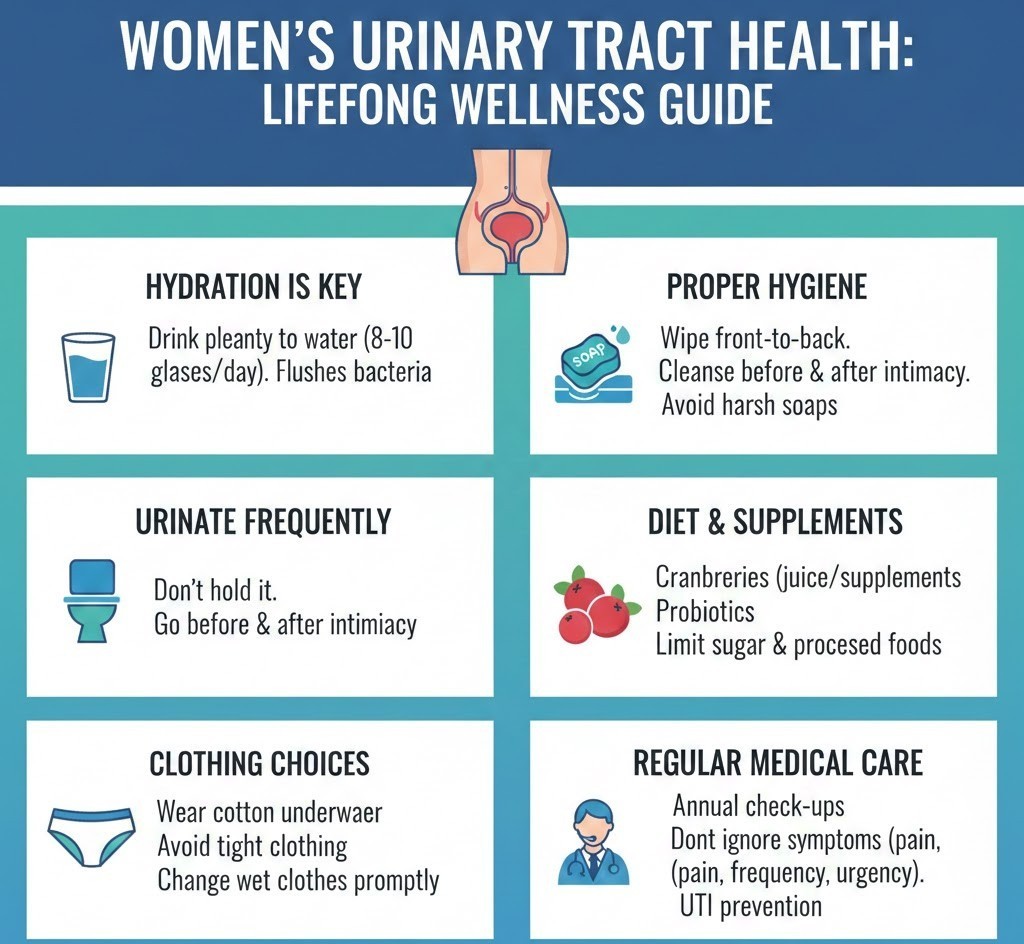
Maintaining a healthy urinary tract is essential for every woman, as it supports bladder comfort, kidney function, and overall female wellness. Due to anatomical factors including a shorter urethra women are more prone to infections and irritation. Understanding how to maintain urinary tract health in women helps prevent discomfort, infections, and long-term urinary issues through daily habits, nutrition, hygiene, and lifestyle care.
Key Takeaways
- Hydration, proper hygiene, and regular urination are essential for maintaining a healthy urinary tract.
- A balanced diet with probiotics, vitamin C, and antioxidants strengthens women’s kidney and bladder care.
- Wearing breathable underwear and choosing gentle products support better women’s urinary hygiene.
- Managing stress, blood sugar, and sleep helps maintain urinary balance in females.
- Supplements like probiotics, cranberry extract, and D-mannose may improve female urinary support when used consistently.
What Urinary Tract Health Means for Women
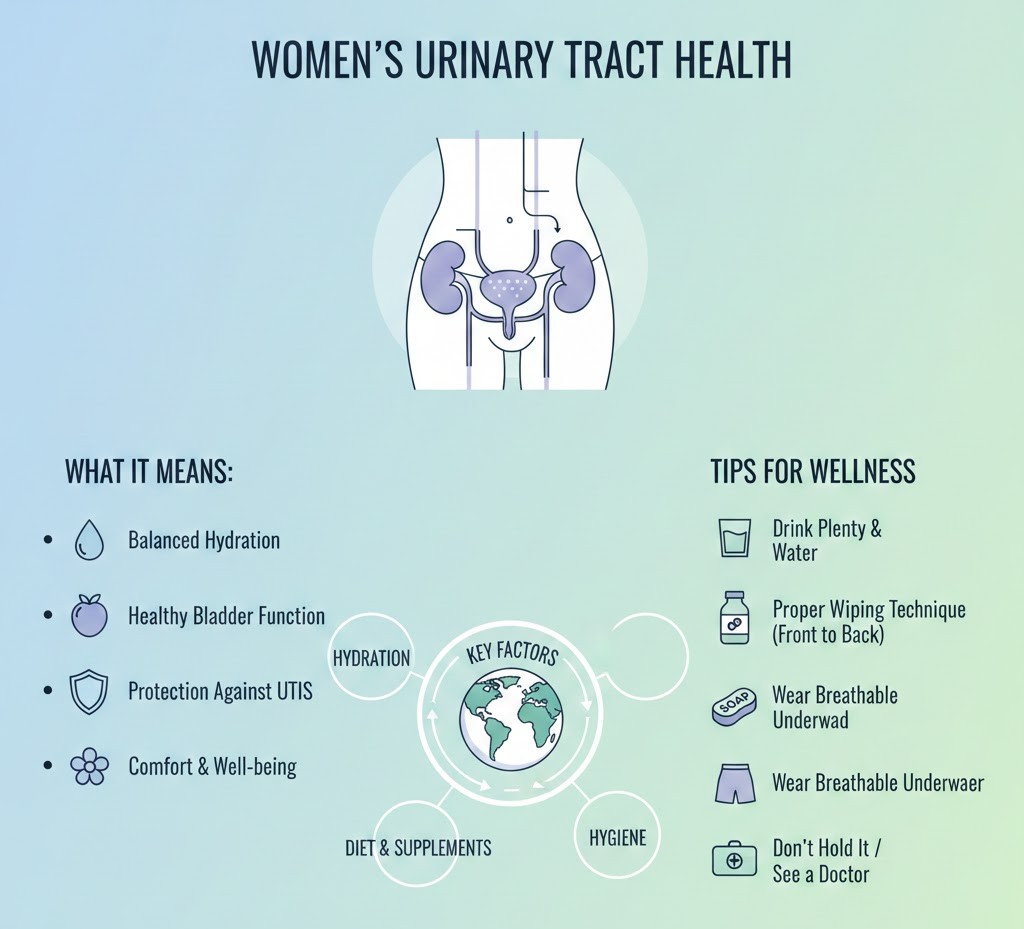
Urinary tract health refers to the proper functioning of the kidneys, ureters, bladder, and urethra, which work together to filter waste and remove urine from the body. For women, maintaining urinary wellness is essential because the urinary system is closely connected to reproductive health, daily comfort, and overall well-being.
A healthy urinary tract supports:
- Comfortable urination without burning, pressure, or urgency.
- A balanced microbiome in both the bladder and vaginal area, which helps prevent harmful bacteria from growing.
- Efficient waste removal, helping the body stay detoxified and reducing the workload on other organs.
- Strong natural defenses against infections, inflammation, and bladder irritation.
- Healthy hydration levels, which help regulate hormones, digestion, and energy.
- Better reproductive wellness, as urinary and vaginal health often influence each other.
What Makes Women More Prone to Urinary Issues?

Women experience urinary problems more frequently due to several biological and lifestyle-related factors:
- Shorter Urethra: A woman’s urethra is much shorter than a man’s, giving bacteria a quicker and easier path to reach the bladder. This anatomical difference significantly increases the risk of infections.
- Hormonal Changes: Menstruation, pregnancy, postpartum recovery, and menopause all influence urinary tract health. These hormonal shifts change vaginal pH, moisture levels, and the balance of protective flora factors that help prevent harmful bacteria from growing.
- Sexual Activity: Sexual intercourse can introduce bacteria near the urethra. For this reason, practicing good hygiene and urinating after sexual activity are important parts of women’s urinary self-care.
- Close Proximity of Urethra to Rectum: Because the urethra is located close to the rectum, improper wiping or poor hygiene can increase the likelihood of bacterial transfer, leading to urinary discomfort or infection.
Common Urinary Tract Conditions in Women
Women are more prone to urinary issues due to anatomical and hormonal factors. Understanding the most common conditions can help in early detection and prevention, ensuring better urinary health and comfort. These conditions vary in severity and frequency, and recognizing the symptoms early can lead to more effective management.
- Urinary Tract Infections (UTIs): The most common urinary condition in women, UTIs occur when bacteria enter the urinary tract, leading to burning, urgency, cloudy urine, and discomfort. Prompt treatment with hydration and, if needed, antibiotics can prevent complications.
- Interstitial Cystitis (Painful Bladder Syndrome): A chronic condition that causes persistent bladder pain and pressure without an infection. Symptoms often worsen during menstruation or after certain foods and drinks, and management focuses on dietary changes, bladder training, and pain relief strategies.
- Kidney Stones: Hard mineral deposits that form in the kidneys can cause severe pain in the lower back or side, blood in the urine, nausea, and urinary blockage. Risk factors include dehydration, high-sodium diets, and certain medical conditions. Preventive measures include adequate hydration and dietary modifications.
- Overactive Bladder: Characterized by frequent urination, sudden urgency, and sometimes involuntary leakage, overactive bladder can impact daily life and sleep. Lifestyle adjustments, pelvic floor exercises, and in some cases, medications can help manage the condition.
- Urinary Incontinence: A condition where there is involuntary leakage of urine, often caused by weak pelvic floor muscles, pregnancy, menopause, or age-related changes. Pelvic floor exercises, lifestyle modifications, and medical treatments can significantly improve symptoms.
- Recurrent UTIs: Some women experience repeated UTIs due to genetic factors, hormonal changes, or underlying health conditions. Preventive strategies include proper hygiene, adequate hydration, probiotics, and, in some cases, long-term low-dose antibiotics under medical supervision.
How to Maintain Urinary Tract Health in Women
Maintaining urinary tract health is essential for overall well-being, especially for women. A healthy urinary system helps prevent infections, supports bladder comfort, and promotes female urinary wellness. Women can protect their urinary system by combining proper hygiene, lifestyle habits, diet, and supplements.
1. Stay Hydrated
Drinking enough water is one of the simplest and most effective ways to maintain urinary wellness. Proper hydration:
- Flushes out harmful bacteria before they can multiply.
- Maintains urinary pH balance and reduces irritation.
- Supports kidney function and overall detoxification.
- Reduces the risk of kidney stones and helps maintain urinary tract elasticity.
Herbal teas such as chamomile, dandelion, or nettle can support bladder health and reduce inflammation. Spread water intake throughout the day and limit excessive caffeine and alcohol, which can irritate the bladder.
2. Practice Proper Hygiene
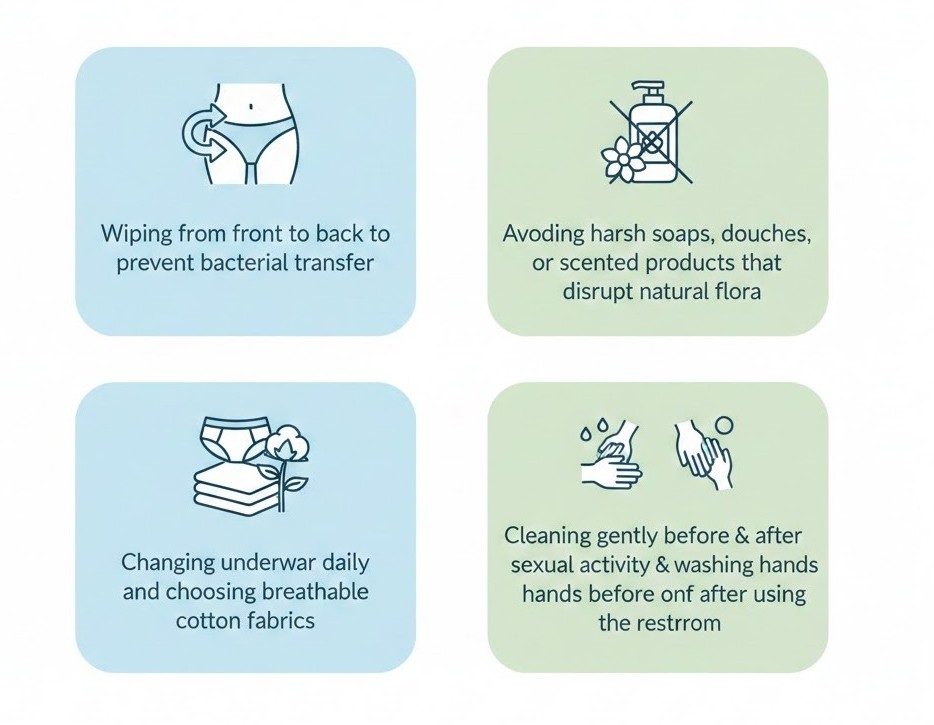
Good hygiene is crucial to prevent infections and maintain a healthy urinary environment. Key habits include:
- Wiping from front to back to prevent bacterial transfer
- Avoiding harsh soaps, douches, or scented products that disrupt natural flora.
- Changing underwear daily and choosing breathable cotton fabrics.
- Cleaning gently before and after sexual activity and washing hands before and after using the restroom.
After swimming or exercising, change out of wet clothes promptly to reduce bacterial growth. These practices collectively reduce irritation and support urinary tract health.
3. Urinate Regularly
Frequent urination helps flush bacteria from the bladder and maintain urinary balance. Important points to follow:
- Avoid holding urine for long periods, which allows bacteria to multiply.
- Always urinate after sexual activity to expel bacteria.
- Maintain a consistent bathroom schedule and listen to your body’s natural signals.
Limiting irritants such as caffeine, carbonated drinks, or artificial sweeteners can reduce bladder sensitivity and urgency.
4. Strengthen Immunity

A strong immune system protects the kidneys and bladder from infections. Ways to support immunity include:
- Getting 7-8 hours of quality sleep each night.
- Managing stress through meditation, yoga, or light exercise.
- Engaging in regular physical activity to improve circulation and immune function.
- Avoiding smoking and excessive alcohol, which can irritate the bladder.
- Maintaining a healthy weight to reduce UTI risk.
Consuming immune-boosting foods like citrus fruits, garlic, ginger, and leafy greens, along with gentle exercises such as walking, swimming, or Pilates, further strengthens the body’s defenses.
5. Use Supplements Wisely

Certain supplements complement healthy habits to maintain urinary tract health:
- Cranberry extract: Prevents bacteria from sticking to bladder walls.
- D-Mannose: Helps flush harmful bacteria, particularly E. coli.
- Probiotics (Lactobacillus strains): Restore and maintain a healthy urinary and vaginal microbiome.
- Vitamin C: Acidifies urine and boosts immune function.
- Magnesium and Omega-3s: Reduce inflammation and support bladder health.
Supplements are most effective when combined with proper hygiene, hydration, and a healthy lifestyle. Always consult a healthcare professional before starting new supplements, especially during pregnancy or while taking medications.
6. Maintain a Healthy Diet

Nutrition plays a key role in urinary self-care. A balanced diet includes:
- Fruits and vegetables rich in antioxidants and vitamin C (e.g., oranges, kiwi, bell peppers, berries).
- Probiotic-rich foods such as yogurt, kefir, sauerkraut, or other fermented vegetables.
- Whole grains and lean proteins to support kidney and immune function.
- Water-rich foods like cucumbers, watermelon, and celery to aid hydration.
Limiting sugar, processed foods, excessive caffeine, and overly spicy or acidic foods can reduce bacterial growth and bladder irritation, supporting long-term urinary wellness.
Lifestyle Tips for Women’s Urinary Health
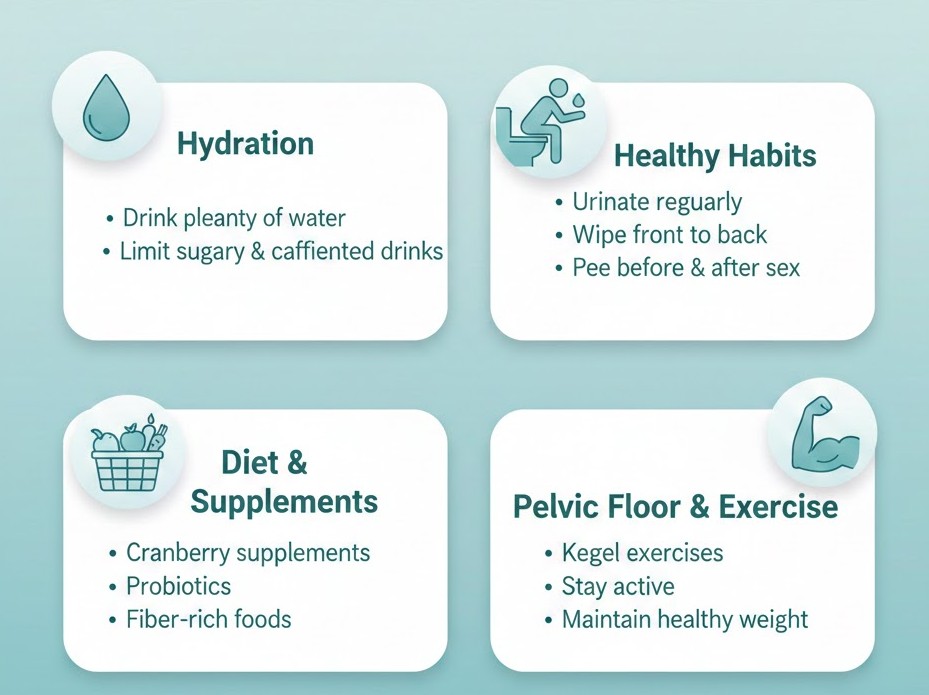
Daily habits and routines play a significant role in maintaining long-term urinary wellness. Beyond hydration, diet, and supplements, lifestyle choices can help reduce the risk of infections, improve bladder comfort, and support overall urinary tract health. Managing stress, exercising regularly, and practicing preventive habits are key components of a healthy urinary lifestyle.
Some practical lifestyle tips include:
- Manage Stress: Chronic stress can negatively affect bladder function and weaken immune responses. Practices such as meditation, deep breathing exercises, yoga, or light outdoor activities can reduce stress and promote urinary health.
- Exercise Regularly: Physical activity improves circulation, supports kidney function, and boosts overall immunity. Gentle exercises like walking, swimming, Pilates, or cycling are excellent for urinary wellness.
- Maintain a Healthy Weight: Excess weight can increase the risk of urinary tract infections and bladder pressure. Maintaining a balanced weight through diet and exercise helps reduce these risks.
- Strengthen Pelvic Floor Muscles: Pelvic floor exercises, such as Kegels, help strengthen bladder control, prevent urinary incontinence, and improve overall urinary function.
- Monitor Symptoms: Keeping a urinary health journal to track symptoms, triggers, hydration patterns, and dietary habits can help identify early signs of urinary problems.
- Regular Medical Check-Ups: Routine visits to a healthcare professional can detect underlying issues early, especially for women prone to recurrent UTIs, overactive bladder, or chronic bladder conditions. Early detection allows for timely management and reduces the risk of complications.
Common Myths and Facts About Women’s Urinary Tract Health
Understanding the truth behind urinary health helps women make informed choices and avoid unnecessary worry or harmful practices.
Myth 1: Only sexually active women get UTIs
Fact: UTIs can affect any woman, regardless of sexual activity. Hygiene, hydration, and immune health are key factors.
Myth 2: Holding urine occasionally is harmless
Fact: Regularly holding urine can allow bacteria to multiply, increasing the risk of infections and bladder problems.
Myth 3: Cranberry juice alone prevents UTIs
Fact: Cranberry may help prevent bacteria from adhering to the bladder wall, but it is not a standalone cure. Proper hygiene, hydration, and medical treatment are also needed.
Myth 4: UTIs always cause severe pain
Fact: Some UTIs can be mild or even asymptomatic, especially in older women. Early detection through symptom awareness is important.
Myth 5: Frequent urination always indicates a UTI
Fact: Frequent urination can be caused by overactive bladder, stress, high fluid intake, or diabetes. A proper diagnosis is necessary.
Myth 6: Only antibiotics can prevent UTIs
Fact: While antibiotics treat active infections, prevention also relies on hydration, hygiene, probiotics, diet, and healthy lifestyle habits.
Myth 7: All urinary issues are due to poor hygiene
Fact: Urinary problems are influenced by multiple factors including anatomy, hormones, age, and medical conditions, not just hygiene.
When to See a Doctor
Even with good habits, some urinary symptoms require prompt medical attention. Early consultation can prevent complications and ensure proper treatment. Women should see a doctor if they experience:
- Persistent or severe pain during urination or in the lower abdomen/back
- Blood in urine or cloudy, foul-smelling urine
- Recurrent UTIs (more than 2–3 infections per year) or infections that don’t improve
- Fever, chills, or nausea, which may indicate a kidney infection
- Urinary incontinence or overactive bladder symptoms affecting daily life
- Unexplained changes in urination patterns (frequency, volume, color)
- Pregnancy or underlying health conditions with any urinary symptoms
Conclusion
Maintaining urinary tract health is vital for women, as it supports bladder comfort, kidney function, and overall wellness. Women are more prone to urinary issues due to factors like a shorter urethra, hormonal changes, and sexual activity. Common conditions include UTIs, interstitial cystitis, kidney stones, overactive bladder, and incontinence. Prevention involves staying hydrated, practicing good hygiene, eating a balanced diet, using supplements wisely, managing stress, exercising, and strengthening pelvic floor muscles. Understanding myths versus facts and recognizing warning signs ensures timely medical care and promotes lifelong urinary wellness.
FAQs
What is urinary tract health, and why is it important for women?
Urinary tract health refers to the proper functioning of the kidneys, ureters, bladder, and urethra. It is crucial for women because it supports bladder comfort, kidney function, reproductive wellness, and overall well-being.
Why are women more prone to urinary tract issues than men?
Women have a shorter urethra, hormonal fluctuations, sexual activity, and the close proximity of the urethra to the rectum, which make bacterial infections and urinary issues more common.
What are the most common urinary conditions in women?
Common conditions include urinary tract infections (UTIs), interstitial cystitis, kidney stones, overactive bladder, urinary incontinence, and recurrent UTIs.
How can I prevent urinary tract infections (UTIs)?
Preventive measures include staying hydrated, practicing good hygiene, urinating regularly, using supplements like cranberry extract or probiotics, and maintaining a healthy lifestyle.
Does cranberry juice cure UTIs?
No, cranberry juice may help prevent bacteria from sticking to the bladder wall but is not a standalone cure. Proper hygiene, hydration, and medical treatment are also needed.
How important is hydration for urinary health?
Drinking enough water flushes out harmful bacteria, maintains urinary pH balance, supports kidney function, and reduces the risk of kidney stones.
Can lifestyle changes improve urinary tract health?
Yes, managing stress, exercising regularly, maintaining a healthy weight, and strengthening pelvic floor muscles significantly support urinary wellness.
Which foods and supplements support urinary health?
Probiotic-rich foods (yogurt, kefir), vitamin C-rich fruits, water-rich foods (cucumber, watermelon), cranberry extract, D-Mannose, and Omega-3s can help maintain urinary tract health.
When should I see a doctor for urinary symptoms?
See a doctor if you experience persistent pain, blood in urine, recurrent UTIs, fever, urinary incontinence, sudden changes in urination patterns, or are pregnant with any urinary symptoms.
Are all urinary problems caused by poor hygiene?
No, urinary issues can result from anatomy, hormonal changes, age, genetics, and medical conditions, not just hygiene practices.
References
- Bladder control: Lifestyle strategies ease problems. (n.d.). Mayo Clinic. Retrieved December 8, 2025, fromhttps://www.mayoclinic.org/diseases-conditions/urinary-incontinence/in-depth/bladder-control-problem/art-20046597
- 15 Tips To Keep Your Bladder Healthy | National Institute on Aging. (2022, January 24). National Institute on Aging. Retrieved December 8, 2025, fromhttps://www.nia.nih.gov/health/bladder-health-and-incontinence/15-tips-keep-your-bladder-healthy
- Golijanin, D. J. (n.d.). 7 Tips for Better Bladder Health. Brown University Health. Retrieved December 8, 2025, fromhttps://www.brownhealth.org/be-well/7-tips-better-bladder-health
- Haldar, N. A. (n.d.). Bladder Health for Women: Tips to Prevent Bladder Infections. The Pelvic Specialists. Retrieved December 8, 2025, fromhttps://thepelvicspecialists.co.uk/blog/bladder-health-for-women-tips-to-prevent-bladder-infections/
- 6 Tips for Women To Improve Bladder Health. (2021, July 29). Orlando Health. Retrieved December 8, 2025, from https://www.orlandohealth.com/content-hub/6-tips-for-women-to-improve-bladder-health

Eryn Ellison is a PharmD with 8 years in hospital and ambulatory care. A graduate of the UNC Eshelman School of Pharmacy (2017), Eryn completed a PGY-1 Pharmacy Residency at Cleveland Clinic and holds BCPS certification from the Board of Pharmacy Specialties. They evaluate supplement efficacy, safety, and interactions with common prescriptions. Eryn has authored formulary reviews for P&T committees and consults on deprescribing protocols within large health systems. Credentials: state pharmacist license, BCPS ID, and professional profiles.