

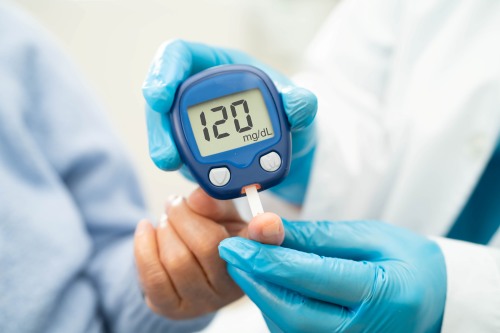
Blood sugar control is the balance of glucose levels throughout the day, influenced by diet, movement, stress, sleep, and metabolic health. Natural ways to support healthy blood sugar help prevent spikes, reduces long-term risks, and supports consistent energy, hormonal balance, and overall well-being.
Key Takeaways
- Blood sugar imbalances can develop gradually and may show few early signs.
- Natural blood sugar support through diet and habits can prevent sharp spikes and crashes.
- Consistent blood sugar management helps improve insulin sensitivity naturally.
- Lifestyle habits such as movement, sleep, and stress control affect glucose levels significantly.
- Herbal remedies like cinnamon, fenugreek, and berberine may support balanced glucose.
- Regular monitoring helps detect changes early and prevents serious metabolic issues.
What Is Blood Sugar Balance?
Blood sugar balance refers to keeping glucose levels within a stable range throughout the day. After eating, glucose increases as the body digests carbohydrates. Insulin then helps move glucose into cells for energy. When this system works smoothly, blood sugar stays steady, energy is stable, and the body functions optimally. When blood sugar remains consistently higher than normal, the pancreas works harder to produce more insulin. Over time, this may lead to insulin resistance, a condition where cells don’t respond properly to insulin. Early lifestyle adjustments can help restore balance and prevent metabolic complications.
7 Natural Ways to Support Blood Sugar
Maintaining healthy blood sugar levels is important for overall well-being, especially as we age. Balanced blood sugar helps keep your energy steady, supports heart health, and reduces the risk of diabetes. Here are seven simple and natural ways to support your blood sugar naturally and safely.
Eat Fiber-Rich Foods Daily
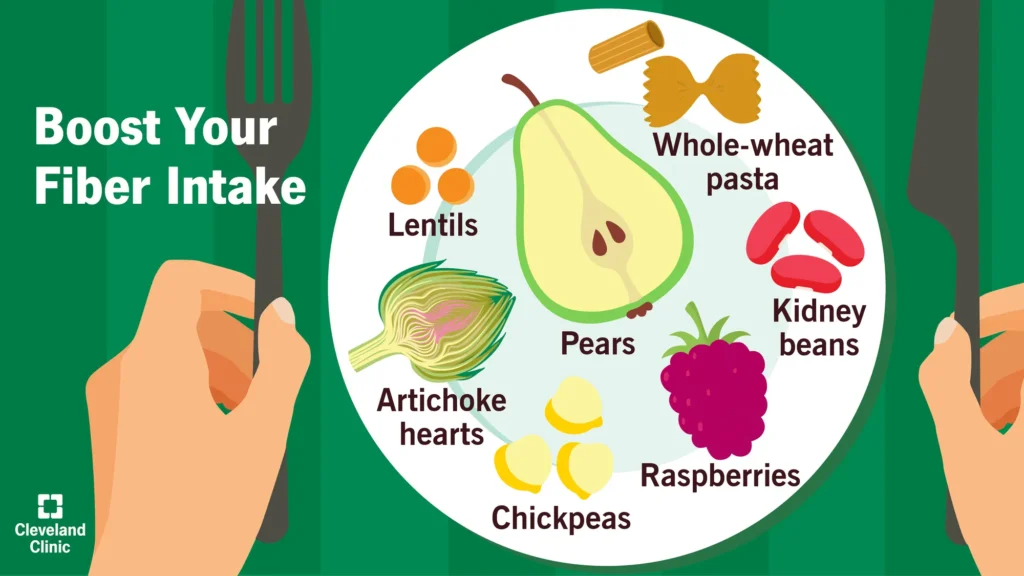
Fiber slows down how quickly sugar enters your bloodstream, helping to prevent spikes. Include plenty of vegetables, fruits like apples and berries, whole grains, and legumes such as beans and lentils in your meals. These foods not only support blood sugar but also improve digestion.
- Fiber slows sugar absorption in the body.
- Vegetables and whole grains are excellent fiber sources.
- Beans and lentils help regulate blood sugar.
Stay Active with Gentle Exercise

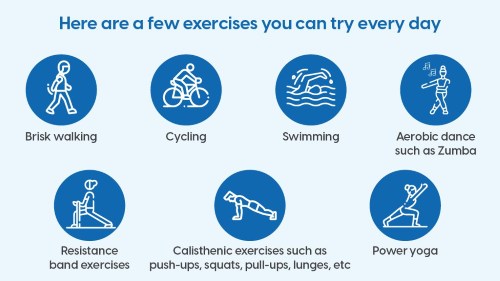
Regular physical activity, like walking, gardening, or stretching, are the most known Natural ways to support healthy blood sugar control. Aim for about 30 minutes a day, most days of the week. Even light exercise can improve blood sugar control and boost your mood.
- Physical activity helps insulin work more efficiently.
- Moderate exercises like walking suit all fitness levels.
- Moving daily supports stable blood sugar levels.
Choose Balanced Meals
Focus on meals that combine healthy carbohydrates, lean protein, and good fats. This balance keeps your blood sugar steady and prevents sudden dips or spikes. For example, enjoy oatmeal with nuts and fruit or grilled chicken with steamed vegetables and olive oil.
- Balanced meals prevent blood sugar spikes.
- Include lean protein with every meal.
- Healthy fats like olive oil aid blood sugar control.
Drink Plenty of Water
Staying well-hydrated helps your kidneys remove excess sugar through urine. Drinking water throughout the day supports overall health and keeps blood sugar levels in check.
- Water aids in flushing out excess sugar.
- Staying hydrated supports kidney function.
- Aim for water before sugary or caffeinated drinks.
Manage Stress Naturally

Stress can raise blood sugar levels, so try relaxation techniques such as deep breathing, meditation, or gentle yoga. Taking regular breaks and connecting with loved ones can help you feel calmer and more balanced.
- Stress directly affects blood sugar levels.
- Relaxation techniques lower stress hormones.
- Social connections improve emotional well-being.
Get Enough Quality Sleep
Sleep plays a vital role in blood sugar regulation. Aim for 7-8 hours of restful sleep each night. Establish a regular bedtime routine and create a comfortable sleeping environment to improve your sleep quality.
- Poor sleep can disrupt blood sugar control.
- A consistent sleep schedule helps hormonal balance.
- A calm bedroom environment promotes restful sleep.
Use Natural Remedies Wisely

Some herbs and supplements like cinnamon, fenugreek, and bitter melon have shown potential in supporting blood sugar balance. However, always check with your healthcare provider before starting any supplements to ensure they are safe for you.
- Certain herbs may support blood sugar health.
- Always consult your doctor before supplements.
- Natural remedies complement, not replace, medical care.
Risk Factors for Poor Blood Sugar Control
You can avoid these risk factors to Stabilize Blood Sugar Naturally by making consistent lifestyle changes, such as choosing high‑fiber, low‑glycemic foods, staying physically active most days of the week, and prioritizing quality sleep to keep hormones balanced.
- Diet high in sugar: Excess sugary foods cause rapid spikes and long-term glucose imbalance.
- Lack of activity: Low movement reduces insulin sensitivity and slows glucose regulation.
- Stress: Stress hormones increase blood sugar and weaken metabolic control.
- Poor sleep: Inadequate sleep raises insulin resistance and disrupts glucose balance.
- Excess weight: Extra body fat makes it harder for insulin to work effectively.
- Family history: Genetics can increase the risk of developing blood sugar problems.
- Medications: Certain drugs can raise glucose levels or affect insulin function.
- Smoking/alcohol: Both impair insulin sensitivity and contribute to unstable blood sugar.
Symptoms of Blood Sugar Imbalance
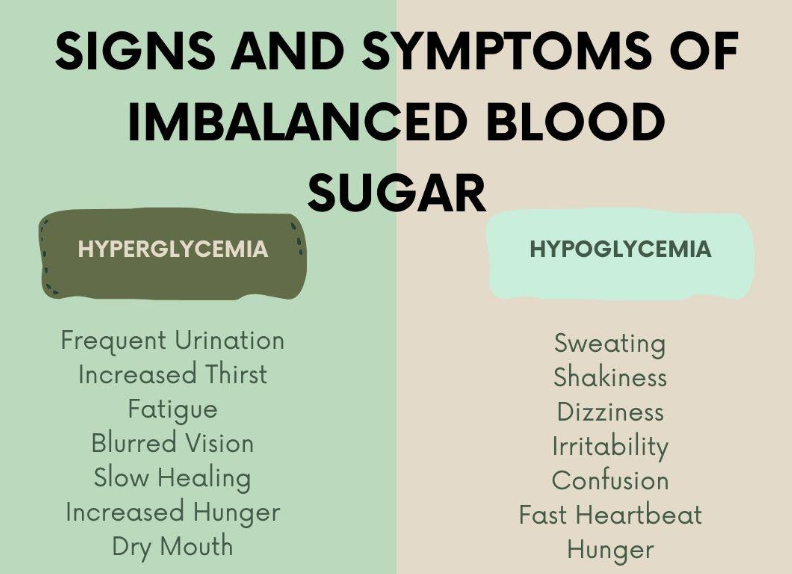
Simple natural tips for balanced blood sugar start with daily habits like choosing high‑fiber whole foods, staying hydrated, and moving your body regularly, which all help improve insulin sensitivity naturally and support blood glucose natural control.
- Fatigue: Low or high glucose disrupts energy levels and causes persistent tiredness.
- Thirst: Elevated blood sugar pulls water from cells, triggering constant thirst.
- Irritability: Fluctuating glucose levels affect mood and emotional stability.
- Blurry vision: High sugar temporarily changes eye fluid levels and affects clarity.
- Trouble focusing: Glucose swings make it harder for the brain to concentrate.
- Frequent urination: Excess sugar causes the kidneys to produce more urine.
- Headaches: Sudden rises or drops in blood sugar can trigger headaches.
- Dizziness: Imbalanced glucose levels reduce brain energy and cause lightheadedness.
Diagnosis for Blood Sugar Issues
Identifying blood sugar problems early is essential for preventing long-term complications and improving daily energy. These diagnostic tests help measure how your body manages glucose and reveal any underlying imbalance.
- Fasting blood glucose: Measures morning sugar levels to detect early imbalance.
- A1C test: Shows average blood sugar over the past 2–3 months.
- Glucose tolerance test: Evaluates how effectively your body handles sugar intake.
- CGM: Continuous monitoring tracks glucose changes in real time.
Treatment and Daily Habits for Glucose Stability
Managing blood sugar effectively requires a mix of medical guidance and healthy daily routines. These habits help stabilize glucose levels, improve insulin response, and support long-term metabolic health.
- Follow medications: Proper treatment supports steady blood sugar control.
- Balanced meals: Combining carbs with protein and fats.
- Whole foods: Unprocessed foods improve digestion and stabilize blood sugar.
- Daily movement: Regular activity increases insulin sensitivity and lowers glucose.
- Stress reduction: Calming techniques help reduce cortisol-driven sugar spikes.
- Hydration: Drinking enough water supports kidney function and glucose balance.
- Sleep quality: Good rest improves insulin function and metabolic stability.
Preventive Measures for Long-Term Blood Sugar Balance
Prevention focuses on building strong habits that protect your metabolic health over time. These strategies reduce the risk of future spikes and help maintain consistent, healthy glucose levels.
- Fiber-rich foods: Fiber slows digestion and keeps glucose levels steady.
- Protein and healthy fats: These nutrients support stable energy and reduce sugar cravings.
- Healthy weight: Maintaining a good weight improves insulin response.
- Exercise: Regular workouts help your body use glucose efficiently.
- Reduce sugar: Cutting added sugars prevents unnecessary spikes.
- Stress control: Managing stress helps maintain consistent glucose levels.
- Screenings: Routine tests catch blood sugar problems early.
- Herbal support: Certain herbs may naturally support glucose regulation.
Living With Blood Sugar Imbalance
Learning simple daily habits that keep your glucose in a healthy range and reduce the risk of complications over time. Eating balanced meals, staying active, managing stress, and monitoring numbers regularly, and clear “don’ts,” such as skipping meals, overdoing sugary drinks, or ignoring warning signs from your body.
| Do’s | Don’ts |
| Monitor your sugar, Regular checks help you understand how your body responds. | Skip meals, It leads to crashes and unstable glucose levels |
| Choose whole foods, Minimally processed foods support smoother sugar control. | Eat sugary snacks, it causes rapid spikes and energy dips. |
| Move daily, regular activity boosts insulin sensitivity. | Ignore symptoms, Mild signs can quickly progress if untreated. |
| Stay hydrated, Water supports digestion and glucose balance. | Drink excess alcohol, it disrupts liver function and glucose regulation. |
| Sleep well , Good rest helps keep hormones and blood sugar steady. | Rely only on supplements, lifestyle and medical care are essential. |
Common Myths Corrected
Many people believe blood sugar issues are only a concern for those with diabetes, but symptoms of blood sugar imbalance can affect anyone and are often improved with simple natural tips for balanced blood sugar rather than extreme diets or quick fixes.
Myth 1: Blood sugar can’t be controlled naturally.
Fact: With the right lifestyle habits, balanced diet, movement, sleep, and stress control many people can naturally support healthier blood sugar levels.
Myth 2: Only special “superfoods” can lower blood sugar.
Fact: Simple, high-fiber foods like vegetables, nuts, seeds, oats, and beans are highly effective at preventing glucose spikes and stabilizing energy.
Myth 3: It takes months to see any improvement when using Natural Ways to Support Healthy Blood Sugar.
Fact: Some people notice fewer spikes within days of making changes, while long-term stability builds with consistent habits.
Myth 4: Herbs are unsafe or useless for blood sugar.
Fact: Herbs such as cinnamon, fenugreek, and berberine can support healthy levels when used responsibly and with proper guidance.
Myth 5: Exercise only helps if it’s intense.
Fact: Even light activity like a 10-minute walk after meals can improve insulin sensitivity and help lower spikes.
Myth 6: Sugar must be completely banned.
Fact: Moderation is the key; you can still enjoy sugar in controlled amounts while focusing on balanced meals.
Myth 7: Sleep has nothing to do with blood sugar.
Fact: Poor sleep raises insulin resistance and stress hormones, making blood sugar harder to control.
Myth 8: Only food causes blood sugar spikes.
Fact: Stress, dehydration, highly processed foods, and skipping meals can all trigger sudden glucose increases.
Myth 9: Stress doesn’t affect blood sugar.
Fact: Stress elevates cortisol, which directly raises blood sugar and can cause frequent spikes.
Myth 10: Supplements are required to control blood sugar.
Fact: Many people achieve great results naturally through lifestyle improvements, using supplements only when advised.
Myth 11: You should test your blood sugar constantly.
Fact: The right testing schedule depends on your health needs and provider’s guidance, not constant checking.
Myth 12: There’s one best natural method to control blood sugar.
Fact: A combination of balanced eating, daily movement, and good sleep works best for long-term blood sugar stability.
Conclusion
Maintaining healthy blood sugar is a long-term commitment that depends on consistent habits, mindful food choices, and awareness of how the body responds to daily routines. By prioritizing balanced meals, regular movement, quality sleep, and stress reduction, anyone can support more stable glucose patterns and reduce the risk of future metabolic problems. Monitoring levels, staying hydrated, and making informed lifestyle adjustments help identify triggers early and keep spikes under control. With the right combination of nutrition, activity, rest, and preventive care, blood sugar balance becomes manageable, predictable, and sustainable for long-term health and overall well-being.
Frequently Asked Questions (FAQs)
Are there Natural Ways to Support Healthy Blood Sugar?
Yes, there are natural ways to support healthy blood sugar. Diet, movement, sleep, and stress control work together to keep levels stable.
What foods help control blood sugar?
Fiber-rich foods like vegetables, nuts, seeds, oats, and beans slow digestion. They help prevent sudden glucose spikes and keep energy steady.
How long does it take to see results?
Some changes, such as fewer spikes after meals, can happen within days. Long-term improvements usually appear with consistent habits.
Do herbs help with blood sugar?
Certain herbs like cinnamon, fenugreek, and berberine may support healthy sugar levels. They work best when used safely and with guidance.
How does exercise help regulate blood sugar?
Exercise improves insulin sensitivity, helping your body use glucose more efficiently. Even short walks after meals can lower spikes.
Is sugar banned for blood sugar control?
Sugar isn’t banned, but moderation is important. Reducing added sugars helps maintain more stable glucose levels.
Why is sleep important for blood sugar?
Poor sleep increases insulin resistance and stress hormones. This combination leads to higher blood sugar and more frequent spikes.
What causes blood sugar spikes?
Refined carbs, stress, skipping meals, and dehydration are common triggers. Fast-digesting foods raise glucose quickly.
Can stress raise blood sugar levels?
Yes, stress raises cortisol, which increases blood sugar. Managing stress helps keep levels steady.
Do I need supplements to manage blood sugar?
Not always, as many people improve through lifestyle changes alone. Supplements should only be used with professional advice.
How often should you test your blood sugar?
It depends on your health condition and provider’s recommendation. Regular testing helps you track how food, activity, and stress affect levels.
What is the best natural method to control blood sugar?
A mix of healthy eating, movement, and good sleep works best. Consistency creates the strongest long-term results.
References
- Fujii, H., & Iwase, M. (2013). Impact of dietary fiber intake on glycemic control… Nutrition Journal, 12, 159. https://doi.org/10.1186/1475-2891-12-159
- Schulze, M. B., & Schulz, M. (2000). High-fibre diet effects in type 2 diabetes. British Journal of Nutrition, 83(2), 137–146. https://pubmed.ncbi.nlm.nih.gov/10805824
- Palmer, A. K., & Kirkland, J. L. (2020). Senolytics in diabetes and aging. Diabetes. https://www.ncbi.nlm.nih.gov/pmc/articles/PMC7164990
- Mayo Clinic Staff. (2024). Diabetes management. Mayo Clinic.https://www.mayoclinic.org/diseases-conditions/diabetes/in-depth/diabetes-management/art-20047963

Dr. Aaron Liu, MD, FACE, is an endocrinologist with 14 years of experience managing diabetes, insulin resistance, and metabolic disorders. He completed his medical training at Columbia University Vagelos College of Physicians and Surgeons and fellowship in Endocrinology at Mount Sinai Hospital. Dr. Liu’s expertise lies in integrating precision nutrition and advanced glucose monitoring for improved glycemic control. He has authored continuing education modules for the American Diabetes Association on lifestyle-based diabetes reversal.