

Eating nutrient-rich whole foods like fruits, vegetables, whole grains, healthy fats, and lean proteins supports cardiovascular function, lowers cholesterol and blood pressure, and reduces inflammation. Avoiding processed and fried foods helps protect arteries and maintain long-term heart health.
Key Takeaways
- Whole foods supply fiber, antioxidants, potassium, and healthy fats for heart support.
- Limit processed meats, refined grains, fried items, and sugary snacks.
- Mediterranean, DASH, Plant-Based, and TLC diets reduce heart disease risk.
- Focus on olive oil, nuts, fish, legumes, and leafy greens for heart protection.
- Practice portion control, reduce sodium, and use healthy cooking methods.
- Combine balanced diet, hydration, and regular exercise for stronger heart function.
Introduction to Heart Health and Diet
A strong heart is essential for overall well-being. What we eat directly affects heart function and the risk of developing heart disease, the leading cause of death worldwide. Diet plays a crucial role in managing blood pressure, cholesterol levels, and inflammation, the primary contributors to heart troubles. Embracing natural nutritional choices can reduce the need for medications and support long-term heart health.
Core Principles of a Heart-Healthy Diet
The foundation of a heart-friendly diet is eating whole, nutrient-dense foods that supply fiber, vitamins, minerals, antioxidants, and healthy fats. Avoid processed foods high in saturated fats, trans fats, added sugars, and sodium, as these harm cardiovascular health. A balanced diet centers on complex carbohydrates, plant proteins, and good fats, which improve blood vessel function and reduce inflammation.
- Choose whole fruits and vegetables for fiber and antioxidants
- Include whole grains like oats and quinoa for steady energy and cholesterol control
- Opt for healthy fats from olive oil, nuts, and seeds, avoiding trans fats
- Add lean proteins such as legumes, tofu, and fish rich in omega-3 fatty acids
- Limit salt, sugar, and unhealthy fats found in processed and fried foods
Best Foods to Strengthen Your Heart Naturally
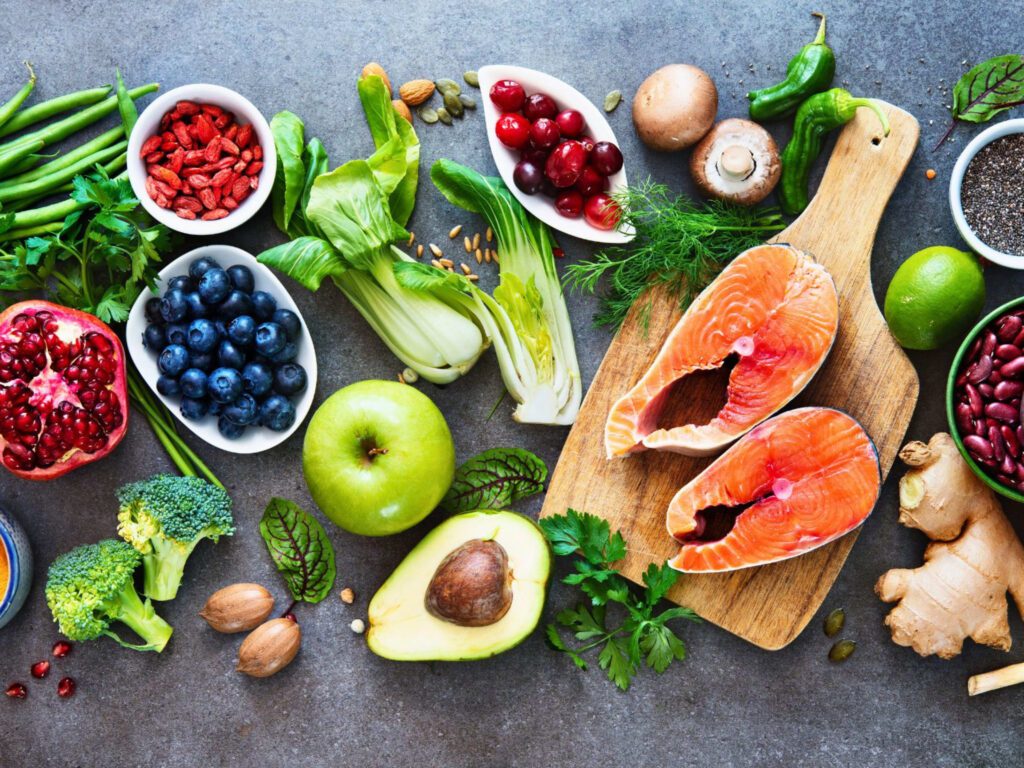
Choosing the right foods can strengthen your heart’s health and function. Below are foods known to protect the heart:
Fruits and Vegetables
Fruits and vegetables are rich in fiber, potassium, and antioxidants, all of which support heart health. Fiber helps lower cholesterol and aids healthy digestion, while potassium balances sodium to regulate blood pressure. Antioxidants reduce inflammation and protect blood vessels from damage. Including a variety of berries, leafy greens, oranges, and tomatoes in your diet lowers the risk of heart disease and stroke.
Whole Grains
Whole grains retain all parts of the grain kernel, offering fiber, vitamins, and minerals that refined grains lack. They help reduce bad LDL cholesterol, stabilize blood sugar levels, and lower blood pressure all vital for cardiovascular health. Oats, brown rice, barley, and quinoa are excellent options for supporting artery health and reducing the risk of heart disease.
Healthy Fats
Healthy fats found in extra virgin olive oil, avocados, and nuts supply monounsaturated fats, which reduce LDL cholesterol while raising good HDL cholesterol. Walnuts and flaxseeds are especially high in omega-3 fatty acids, known for reducing inflammation, preventing plaque buildup, and supporting steady heart rhythms.
Lean Proteins and Plant-Based Alternatives
Fish such as salmon and mackerel provide omega-3 fatty acids that protect the heart and reduce inflammation. Plant-based proteins including beans, lentils, and tofu deliver essential nutrients without the saturated fats often found in animal products. These choices help manage cholesterol levels and promote long-term cardiovascular wellness.
Dairy
Low-fat or fat-free dairy products are excellent sources of calcium and protein, both crucial for muscle function, including the heart muscle. Adequate calcium supports healthy blood vessels and helps regulate blood pressure. Choosing low-fat options ensures you get these benefits without excess saturated fat that can strain the heart.
Heart-Boosting Superfoods
Certain foods provide extra protection for heart health thanks to their unique antioxidants. Dark leafy greens like spinach and kale, berries such as blueberries and strawberries, cherries, and dark chocolate (70% cocoa or higher) all contain flavonoids and compounds that improve circulation, reduce inflammation, and strengthen blood vessels. Adding these superfoods to your diet is a simple way to give your heart a natural boost.
Foods to Limit for Healthy Heart
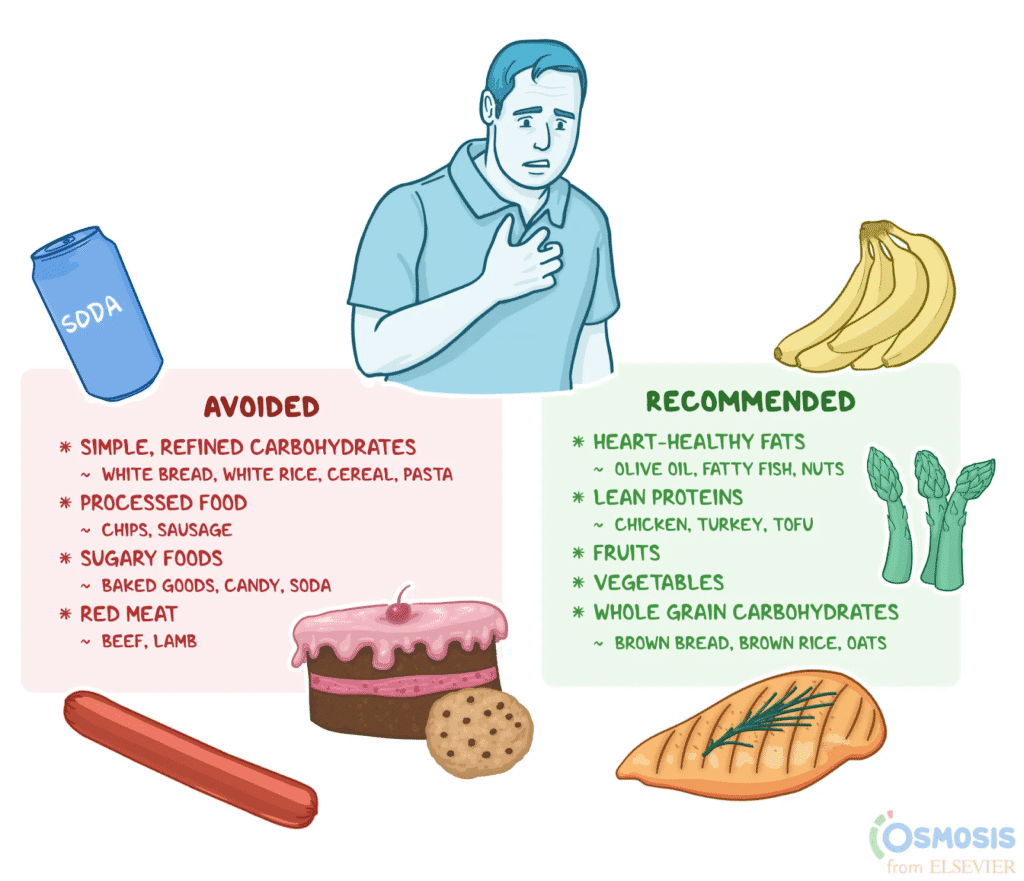
Certain foods can harm your heart and increase the risk of heart disease. It is important to limit or avoid:
- Processed Meats: Items like sausages, bacon, and deli meats are high in saturated fats, sodium, and preservatives that raise blood pressure and cholesterol.
- Refined Grains: White bread, white rice, and pastries have been stripped of fiber and nutrients, causing blood sugar spikes and increased cholesterol levels.
- Fried Foods: Foods cooked in unhealthy oils often contain trans fats and excessive calories, contributing to clogged arteries and weight gain.
- Sugary Snacks and Drinks: High sugar intake promotes inflammation, obesity, and insulin resistance, all risk factors for heart disease.
Popular Heart-Healthy Diet Plans Backed by Science
Several diets consistently prove beneficial for heart health:
Mediterranean Diet
The Mediterranean diet is based on the traditional eating habits of countries bordering the Mediterranean Sea. It includes a wide variety of fruits, vegetables, whole grains, nuts, and legumes. Olive oil is the primary source of fat, celebrated for its heart-protective properties. Moderate consumption of fish and seafood, which provide omega-3 fatty acids, is encouraged. Red meat and sweets are limited, and dairy is consumed in moderation, often as cheese or yogurt. Research consistently shows that this diet reduces the risk of heart attacks, stroke, and overall heart disease.
DASH Diet (Dietary Approaches to Stop Hypertension)
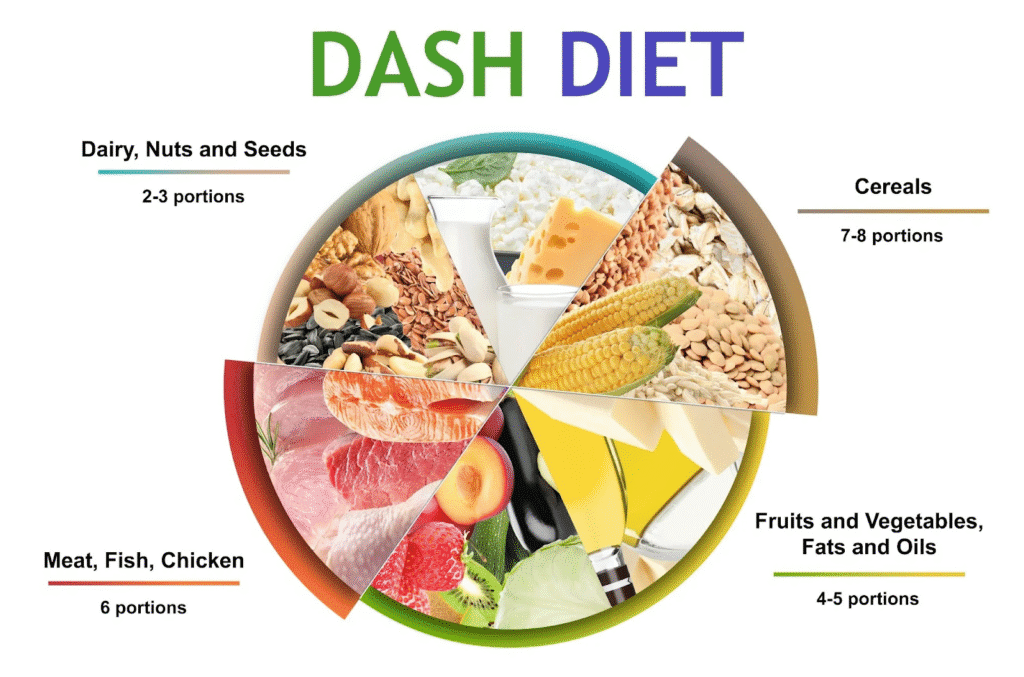
The DASH diet is specifically designed to combat high blood pressure, a major risk factor for heart disease. It emphasizes nutrient-rich foods that are low in sodium and high in potassium, calcium, and magnesium. Key components include fruits, vegetables, whole grains, and lean protein such as poultry and fish. Processed foods, sugary beverages, and salt are minimized.
Plant-Based and Flexitarian Diets
Plant-based diets focus primarily on vegetables, fruits, whole grains, legumes, nuts, and seeds. They either completely exclude or significantly reduce animal products. These diets are rich in fiber and antioxidants, which lower cholesterol and reduce inflammation. Studies show that eating mostly plants supports better heart health compared to diets heavy in processed and red meats.
TLC Diet (Therapeutic Lifestyle Changes)
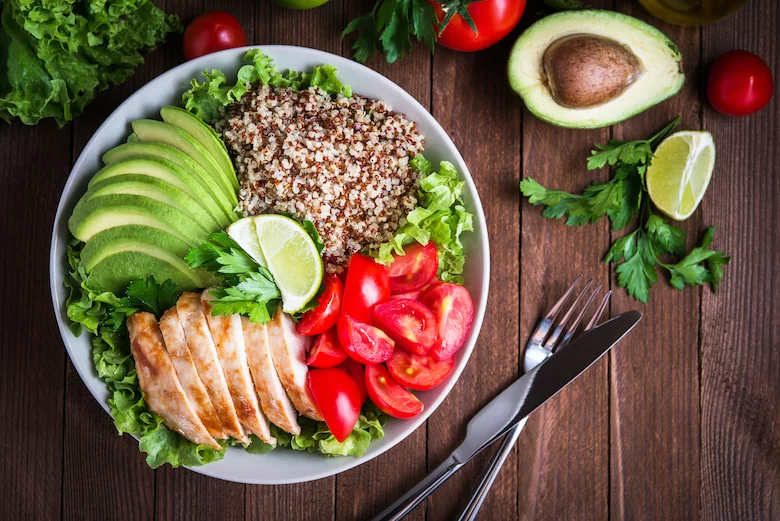
The TLC diet was developed to help lower cholesterol and improve heart health. It stresses cutting down on saturated fats found in fatty meats, full-fat dairy, and certain oils. At the same time, it promotes increasing soluble fiber from oats, fruits, and legumes, which helps reduce “bad” LDL cholesterol. Along with diet changes, the TLC program recommends regular physical activity and weight management. This comprehensive approach helps decrease the risk of heart disease by targeting multiple factors.
Nutritional Tips and Practical Advice for Daily Heart Health
Changing your eating habits does not have to be complicated. Focus on these practical steps:
- Plan meals around vegetables, whole grains, and lean proteins
- Use healthy cooking methods like baking, steaming, and grilling
- Read nutrition labels carefully to avoid extra sodium and hidden fats
- Choose nuts, fresh fruits, or vegetable sticks for snacks instead of processed options
- Drink water and limit sugary beverages
- Control portion sizes to maintain healthy weight
- Combine a heart-healthy diet with regular physical activity for best results
Supplements and Additional Nutrients for Heart Support
While whole foods are the best source of nutrients, some supplements can help when diet alone is insufficient:
- Omega-3 supplements support heart rhythm and reduce inflammation if fish intake is low
- Fiber supplements can aid cholesterol control but don’t replace fruits and vegetables
- Magnesium, potassium, and Coenzyme Q10 show benefits but require medical advice before use
- Supplements should complement, not replace, a healthy diet
Conclusion
Diet is essential for natural heart health. Whole foods rich in fiber, antioxidants, potassium, healthy fats, and lean proteins help lower blood pressure and cholesterol while reducing inflammation. Include fruits, vegetables, whole grains, olive oil, nuts, fish, and low-fat dairy in your meals. Limit processed meats, refined grains, fried foods, and sugary snacks that harm the heart.
Proven diets like Mediterranean and DASH provide balanced, nutritious eating patterns backed by science. Regular exercise, mindful cooking, and portion control enhance benefits. Supplements can support but not replace healthy eating. Adopting these habits lowers heart disease risk and strengthens heart function naturally.
FAQs
How does diet affect heart health?
Diet influences blood pressure, cholesterol, inflammation, and weight, all key to heart health.
Can changing my diet reduce the risk of heart disease?
Yes, diets rich in whole foods and low in processed fats and sugars lower heart disease risk.
What are the best fats for heart health?
Monounsaturated and polyunsaturated fats from olive oil, nuts, and fish are beneficial.
Are plant-based diets good for the heart?
Plant-based diets provide fiber and antioxidants that improve heart function and reduce disease risk.
How much fish should I eat for heart support?
Eating fatty fish twice a week supplies enough omega-3 fatty acids.
What is the DASH diet?
The DASH diet emphasizes fruits, vegetables, low-fat dairy, and reduced sodium to lower blood pressure.
Can supplements replace a healthy diet?
No, supplements assist but cannot replace nutrients from whole foods.
How to reduce sodium without losing flavor?
Use herbs, spices, and lemon juice for seasoning instead of salt.
Is dark chocolate good for the heart?
Yes, moderate amounts with 70% or higher cocoa content contain antioxidants benefiting the heart.
When should I see a doctor about heart health?
If you have risk factors like high blood pressure, cholesterol, or family history, consult a doctor regularly.

Dr. Amiah Rainey researches diet–disease relationships with expertise in vitamins, minerals, and biomarker methods. She earned a PhD from Harvard T.H. Chan School of Public Health (2019) and completed a postdoctoral fellowship at the NIH/NIDDK. With ~20 peer-reviewed publications (example) and experience on NIH-funded cohort studies, Amiah translates complex evidence into practical guidance. She advises on study design, evidence grading, and data transparency. Profiles: ORCID, Google Scholar; list affiliations and any disclosures.