

Dental cleanings remove plaque and tartar that regular brushing cannot, preventing gum disease, cavities, and bad breath. Frequency depends on personal factors like age, oral hygiene, lifestyle, and health conditions such as diabetes or smoking. Advanced tools like ultrasonic scalers and lasers make cleanings more effective and comfortable while reducing risks to both oral and overall health.
Key Takeaways
- Standard recommendation: dental cleanings every six months for most individuals.
- Frequency varies based on age, lifestyle, health status, and oral hygiene.
- Skipping cleanings increases risks of gum disease, decay, and systemic illness.
- Modern tools (ultrasonic scalers, lasers) enhance comfort and efficiency.
- Personalized schedules based on risk factors improve preventive outcomes.
- Good brushing, flossing, diet, and hydration reduce plaque buildup between visits.
Understanding Dental Cleanings
Dental cleanings involve removing plaque and tartar from your teeth, particularly in hard-to-reach areas. Even with good home care, plaque can harden into tartar, which cannot be removed by brushing alone. Professional cleaning includes scaling, polishing, and sometimes fluoride applications to protect teeth. These procedures help prevent gum disease, tooth decay, and maintain fresh breath.
Cleanings also play a role beyond oral health by reducing risks linked to heart disease and diabetes. Keeping your mouth free of harmful bacteria benefits your entire body.
How Often Should You Get Dental Cleanings?
Regular dental cleanings are crucial for maintaining healthy teeth and gums, but the ideal frequency can vary from person to person. While the traditional recommendation is every six months, several factors influence how often you should visit your dentist for a cleaning.
- Smoking: Tobacco use increases the risk of gum disease and may require more frequent cleanings.
- Diabetes: This condition can impair gum health, necessitating closer dental monitoring.
- History of Gum Disease: Previous gum problems call for more frequent dental visits to prevent recurrence.
- Oral Hygiene Habits: Those with inconsistent brushing and flossing routines may need additional cleanings.
- Genetics: Some people are naturally more prone to dental issues and require customized care.
- Diet: Diets high in sugar and acidic foods contribute to plaque buildup.
- Age: Older adults typically need more frequent cleanings due to natural changes in oral health.
- Overall Health: Other medical conditions can influence oral health and cleaning schedules.
Special Considerations for Different Age Groups and Conditions
Age and health conditions play a major role in determining how often you need dental cleanings, as oral care needs change throughout life.
- Children: Begin dental visits by age one or when the first tooth appears. Regular cleanings establish good oral hygiene habits and monitor development.
- Teenagers with Orthodontics: Braces and other devices create cleaning challenges, requiring more frequent professional care to prevent plaque buildup.
- Adults: Should maintain consistent cleaning schedules but adapt based on lifestyle and any changes in oral health.
- Seniors: Often face dry mouth, gum recession, and medication side effects, making more frequent cleanings necessary to control bacteria and prevent disease.
- Medical Conditions: Diseases like diabetes and autoimmune disorders increase risks of gum problems and cavities, needing closer dental attention.
- Pregnant Women: Hormonal shifts affect gum health; increased dental supervision is recommended.
- Dental Work: Implants, bridges, and extensive restorations require specialized cleaning techniques to protect these areas effectively.
Impact of Lifestyle and Oral Hygiene on Cleaning Frequency
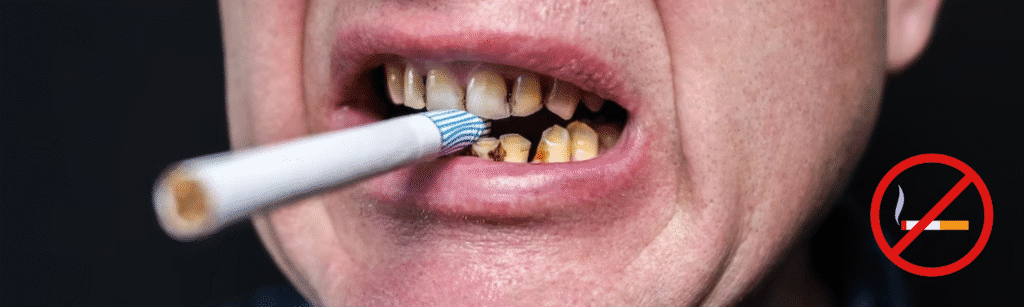
The quality of your daily home oral care significantly impacts how often you need professional dental cleanings. Effective brushing twice a day and flossing remove plaque, which prevents tartar buildup. Avoiding tobacco also helps maintain a healthier mouth.
- Diet: Sugary and acidic foods and drinks encourage tartar formation, increasing the need for cleanings.
- Smoking: Tobacco use damages gum tissue, slows healing, and promotes harmful bacteria growth.
- Hydration and Saliva Flow: Adequate saliva protects against plaque; dry mouth raises cleaning requirements.
- Alcohol and Medications: These can reduce saliva and weaken gum health, leading to more frequent visits.
- Recreational Drugs: They often disrupt oral health, increasing susceptibility to gum disease.
- Stress: Lowers immune response, allowing infections to progress more easily.
Risks of Skipping Dental Cleanings and Delaying Visits
Delaying or skipping dental cleanings can have serious consequences for your oral and overall health. Key points to consider include:
- Plaque Hardens into Tartar: Without regular cleanings, plaque turns into tartar, which is harder to remove and damages teeth and gums.
- Risk of Cavities and Gum Disease: Tartar buildup leads to cavities and gingivitis, which can progress to periodontitis, a severe gum infection that may cause tooth loss.
- Systemic Health Impacts: Untreated gum disease is linked to heart disease, diabetes complications, and respiratory issues, showing the connection between oral and overall health.
- More Complex Treatments Later: Ignoring cleanings often results in needing deep cleanings, surgeries, or extractions, which are more invasive and costly.
- Early Detection Prevents Escalation: Regular dental visits help catch problems early, avoiding severe damage and preserving long-term health.
Advances in Dental Cleaning Technology and Personalized Care
Dental cleaning technology has advanced significantly to enhance effectiveness and patient comfort.
- Ultrasonic Scalers: Use high-frequency vibrations combined with water spray to efficiently break up and remove tartar, shortening cleaning time and minimizing discomfort.
- Laser Treatments: Target and eliminate harmful bacteria in the gums while promoting faster healing, reducing the need for invasive procedures.
- Digital Imaging and Scans: Provide precise, detailed views of teeth and gums, enabling dentists to diagnose issues more accurately and create personalized cleaning plans.
- Customized Cleaning Schedules: Using technology, dental professionals tailor visit frequency and treatment based on individual risk factors for more effective prevention.
- Improved Patient Experience: These innovations reduce pain, increase safety, and encourage patients to seek regular care by making treatments quicker and less invasive.
Conclusion
Dental cleanings remove plaque and tartar to prevent gum disease and cavities. While six months is the usual recommendation, frequency varies with personal risk factors like smoking, diabetes, diet, and age. Children, seniors, and people with specific health conditions need tailored schedules.
Good daily hygiene reduces cleaning needs, but skipping cleanings leads to serious dental and health problems. Modern technology like ultrasonic scalers and lasers enhance cleaning effectiveness and comfort. Personalized care ensures dental cleanings meet individual needs, protecting both oral and overall health.
FAQs
How often should I get a dental cleaning?
Most people should get cleanings every six months, but your dentist may recommend more or less frequently based on your oral health.
What happens during a dental cleaning?
A cleaning involves removing plaque and tartar, polishing teeth, and sometimes applying fluoride to protect enamel.
Can I skip dental cleanings if I brush and floss daily?
No, even with good home care, professional cleanings remove tartar and detect problems early.
Does smoking affect how often I need cleanings?
Yes, smokers are at higher risk for gum disease and usually need more frequent cleanings.
Are dental cleanings painful?
Most cleanings are comfortable; tools like ultrasonic scalers minimize discomfort.
Do children need dental cleanings?
Yes, starting at age one or when the first tooth appears to establish good habits and monitor development.
Can diet affect the frequency of dental cleanings?
Yes, sugary or acidic diets increase plaque buildup, often requiring more frequent cleanings.
What happens if I delay dental cleanings?
Plaque hardens to tartar, leading to cavities, gum disease, and more complex treatments.
How do medical conditions like diabetes affect cleaning needs?
Conditions like diabetes increase gum disease risk, necessitating closer dental monitoring.
Has dental cleaning technology improved?
Yes, ultrasonic scalers, lasers, and digital imaging make cleanings more effective and comfortable.
Reference
- Healthline – How Regularly Should You Get Your Teeth Cleaned?
https://www.healthline.com/health/dental-and-oral-health/how-often-should-you-get-your-teeth-cleaned - Cleveland Clinic – How Dental Cleanings Work
https://my.clevelandclinic.org/health/treatments/11187-dental-check-up - Northpoint Smiles – Recommended Frequency of Dental Cleanings
https://northpointsmiles.com/recommended-of-dental-cleanings/ - Penn Dental Medicine – How Often Should You Go to the Dentist for Checkups?
https://penndentalmedicine.org/phmc-cedar-campus/blog/how-often-to-see-dentist/ - Cabramatta Dental Care – How Often Should You Get a Dental Cleaning?
https://cabramattadentalcare.com.au/how-often-should-you-get-a-dental-cleaning/ - Care Dental Camberwell – Preventive Dentistry: How Often to Prioritize Dental Cleanings
https://www.caredentalcamberwell.com.au/preventive-dentistry-how-often-to-prioritise-dental-cleanings/ - Maplewood Dental – How Often Should You Get Your Teeth Professionally Cleaned?
https://maplewooddental.com/how-often-should-you-get-your-teeth-profesionally-cleaned/ - BLVDD Dentistry – How Often Should You Have a Dental Cleaning?
https://www.blvddentistry.com/how-often-should-you-have-dental-cleaning/

Aubrey Carson is an RDN with 9 years across hospital, outpatient, and private practice settings. They earned an MS in Clinical Nutrition from Tufts University – Friedman School (2016) and completed a Dietetic Internship at Mayo Clinic. Aubrey specializes in micronutrient assessment, evidence-based supplementation, and patient education. Their work includes CE presentations for the Academy of Nutrition and Dietetics and collaborations with Mass General Brigham on nutrition education resources.