
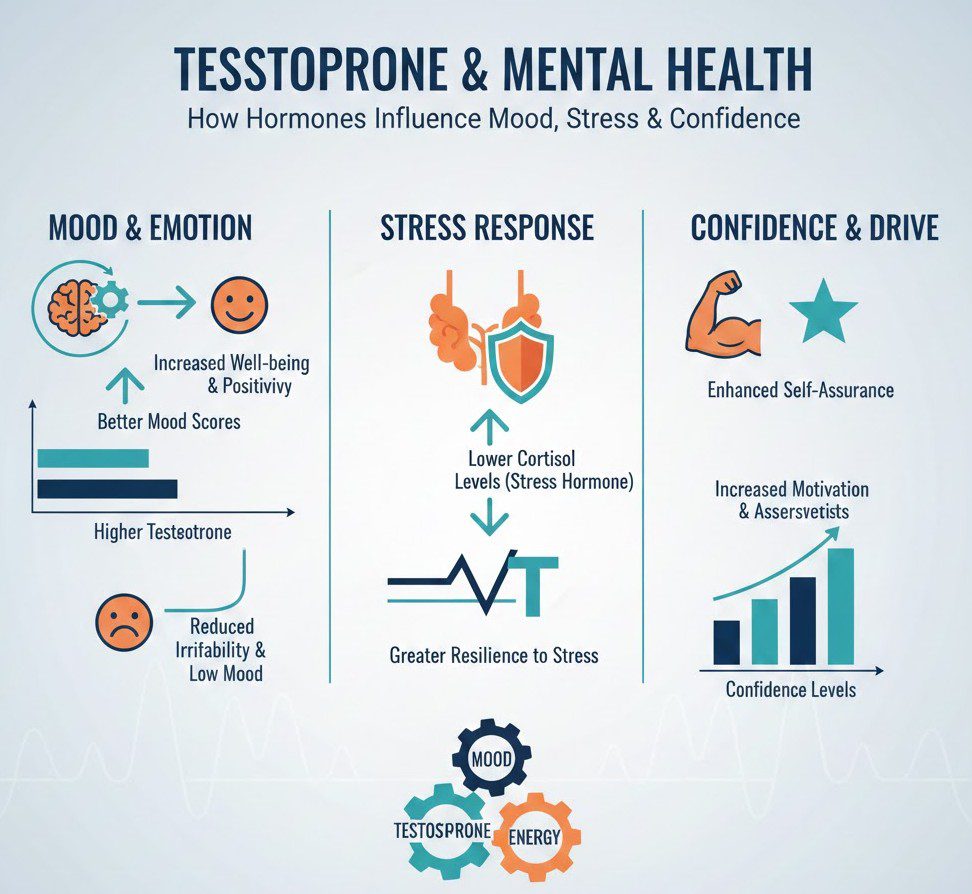
Testosterone and mental health are closely connected, as this hormone plays a crucial role in how we feel, think, and respond to daily challenges. While testosterone is often associated with physical strength and sexual health, its influence goes far beyond the body. From emotional balance to confidence and motivation, the testosterone impact on mental health significantly shapes overall psychological well-being. Understanding the relationship between hormones and mental health helps explain why hormonal imbalances can lead to mood disorders, stress intolerance, and a reduced quality of life. Maintaining healthy testosterone levels is essential for long-term emotional stability and psychological resilience.
Key Takeaways
- Testosterone strongly influences mood, stress response, confidence, and motivation
- The role of testosterone in mental wellbeing includes emotional regulation and resilience
- Low testosterone mental health symptoms include depression, anxiety, fatigue, and low self-esteem
- Chronic stress, poor sleep, aging, and unhealthy lifestyle habits disrupt hormone balance
- Lifestyle changes can improve testosterone impact on psychological health and emotional stability
What Is Testosterone?
Testosterone is a vital hormone produced primarily in the testes in men and in smaller amounts in the ovaries and adrenal glands in women. While it is best known for its role in physical development, testosterone also has powerful effects on the brain.
It interacts closely with neurotransmitters such as dopamine and serotonin, which regulate mood and motivation. Because of this connection, testosterone effects on mental health are significant across all stages of life for both men and women.
Role of Testosterone in Mental Wellbeing
Testosterone plays a key role in mental wellbeing by influencing brain chemistry, emotional regulation, and stress response. Healthy levels support emotional balance, motivation, and resilience, while low levels can weaken emotional stability and psychological strength. The points below highlight how testosterone supports mental wellbeing.
- Supports Emotional Balance: Testosterone helps regulate mood and emotional responses. Balanced levels promote emotional stability and reduce the risk of mood swings, irritability, and persistent sadness.
- Enhances Motivation and Drive: Testosterone supports motivation by influencing dopamine activity in the brain. Healthy levels encourage focus, productivity, and a sense of purpose, while low levels often reduce mental energy and drive.
- Improves Stress Coping Ability: Testosterone helps the body manage stress by regulating cortisol levels. Adequate testosterone improves stress tolerance and emotional resilience during challenging situations.
- Builds Confidence and Self-Esteem: Healthy testosterone levels support assertiveness, self-confidence, and emotional strength, helping individuals feel capable and socially engaged.
- Supports Mental Clarity and Focus: Testosterone contributes to cognitive function, mental clarity, and decision-making. Balanced levels help maintain clear thinking and emotional control.
How Testosterone Affects Mental Health
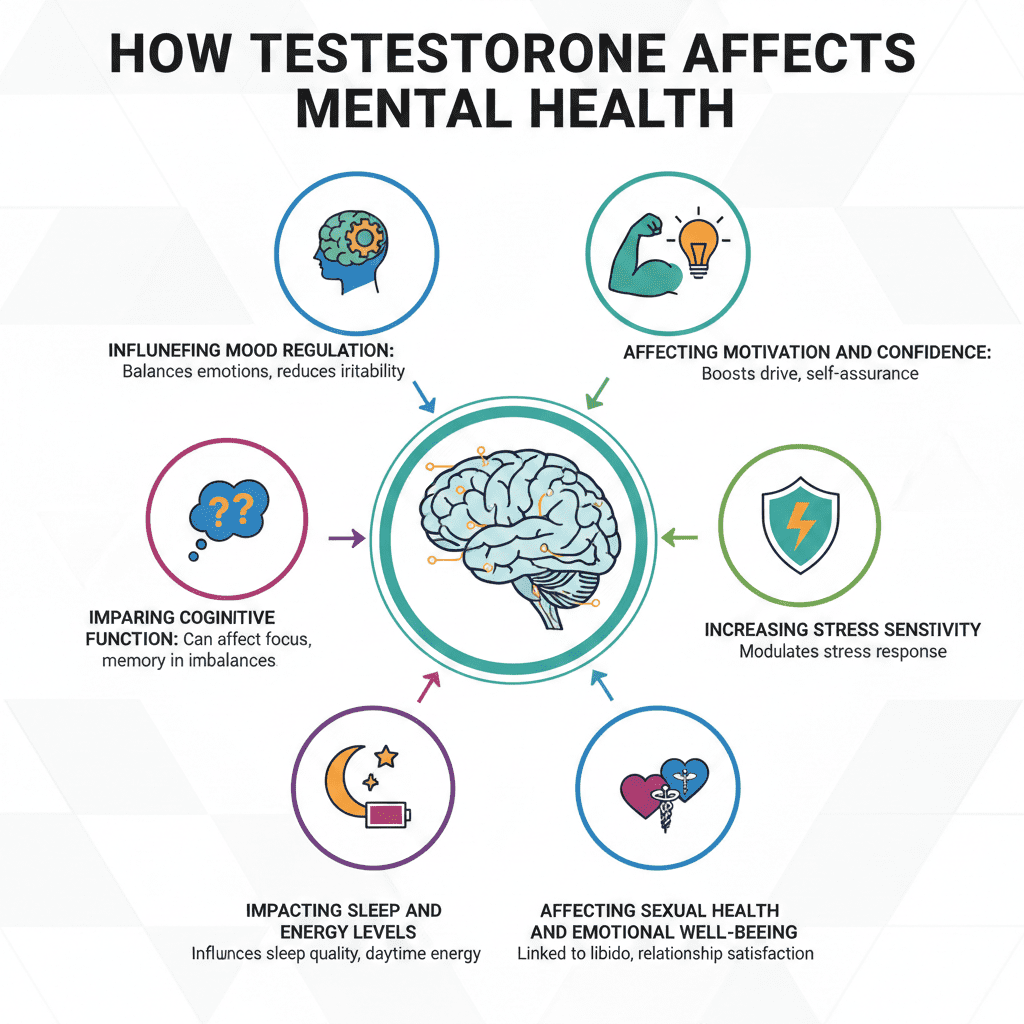
Testosterone plays a crucial role in regulating mood, cognition, energy, and overall mental well-being. Imbalances or low levels of this hormone can gradually affect emotional stability, motivation, and mental clarity. Ignoring these changes can worsen symptoms over time and impact daily functioning. Reasons why testosterone affects mental health include:
- Influencing Mood Regulation: Low testosterone can contribute to depression, irritability, and frequent mood swings by altering brain chemistry and neurotransmitter activity. Individuals may feel persistent sadness, hopelessness, or emotional numbness, which can affect personal relationships, work performance, and overall life satisfaction.
- Affecting Motivation and Confidence: Reduced hormone levels can lead to decreased drive, low self-esteem, and reduced engagement in personal, professional, and social activities. Over time, this may result in difficulty setting or achieving goals, lack of interest in hobbies, and avoidance of challenges due to fear of failure or inadequacy.
- Impairing Cognitive Function: Testosterone deficiency may cause difficulties with concentration, memory, and problem-solving, resulting in “brain fog” and slower mental processing. These cognitive challenges can affect learning, decision-making, and the ability to efficiently manage daily tasks, creating frustration and stress.
- Increasing Stress Sensitivity: Lower testosterone can make it harder to cope with stress, leading to anxiety, tension, and heightened emotional reactions to everyday challenges. Even minor stressors can feel overwhelming, potentially causing sleep disturbances, irritability, and difficulty maintaining healthy relationships.
- Impacting Sleep and Energy Levels: Hormonal imbalances can cause fatigue, poor sleep quality, and reduced physical stamina, further affecting mental clarity and resilience. Chronic tiredness can lower productivity, impair memory, and worsen mood, creating a cycle of declining mental and physical health.
- Affecting Sexual Health and Emotional Well-being: Changes in libido or sexual performance may create stress, relationship strain, or anxiety, which can indirectly worsen mental health. This may contribute to feelings of inadequacy, decreased self-worth, and social withdrawal.
- Promoting Social Withdrawal: Hormone-related low mood and fatigue can reduce interest in social interactions, leading to isolation and a sense of disconnection. Over time, this may increase feelings of loneliness, worsen depressive symptoms, and decrease overall life satisfaction.
- Increasing Risk of Long-Term Mental Health Issues: Chronic low testosterone without intervention can contribute to persistent depression, anxiety disorders, and emotional dysregulation. Early detection and management can prevent prolonged mental health deterioration and improve quality of life.
Mental Health Conditions Linked to Testosterone
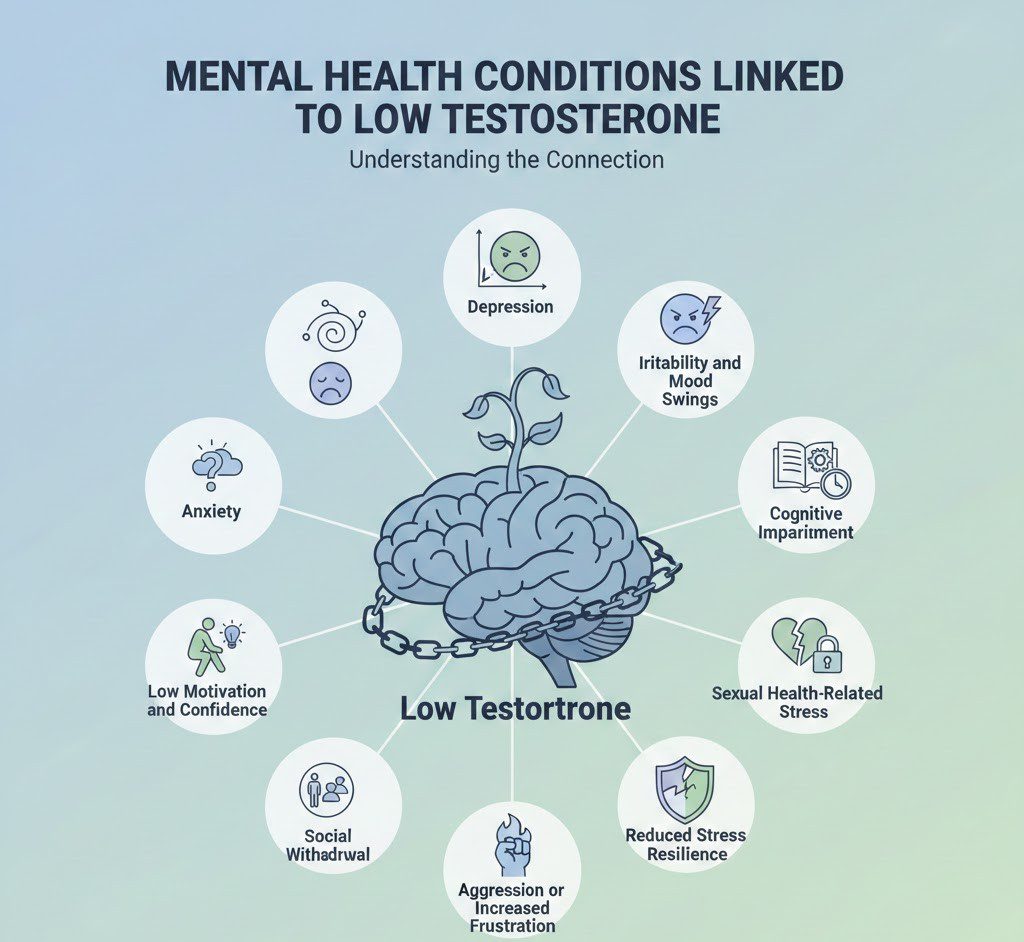
Testosterone is a key hormone that affects not only physical health but also emotional and cognitive well-being. When testosterone levels drop or fluctuate, it can contribute to various mental health challenges. Recognizing these symptoms early can help in seeking appropriate medical evaluation and intervention.
- Depression: Low testosterone can contribute to persistent sadness, hopelessness, and lack of interest in daily activities. It may also lead to feelings of worthlessness, difficulty finding pleasure in hobbies, and withdrawal from social interactions, making everyday life feel overwhelming.
- Anxiety: Reduced hormone levels may increase worry, tension, and stress sensitivity. Individuals may experience constant nervousness, panic attacks, overthinking, or heightened reactions to minor stressors, which can interfere with work, relationships, and daily functioning.
- Irritability and Mood Swings: Fluctuating or low testosterone can lead to emotional instability, including sudden outbursts of anger, frustration, or impatience. These mood swings can strain relationships and make it difficult to manage emotions effectively.
- Low Motivation and Confidence: Hormonal imbalances can reduce drive, self-esteem, and engagement. People may feel apathetic toward goals, struggle with decision-making, or lose interest in personal and professional growth, affecting overall quality of life.
- Cognitive Impairment: Difficulty concentrating, memory issues, and “brain fog” may be linked to low testosterone. This can impact learning, work performance, problem-solving, and the ability to process information efficiently.
- Fatigue and Sleep Disturbances: Persistent tiredness and poor sleep quality can exacerbate mental health issues. Lack of restorative sleep may worsen mood disorders, impair concentration, and reduce physical and mental resilience.
- Sexual Health-Related Stress: Changes in libido or sexual performance can indirectly affect mental well-being. Reduced sexual satisfaction may cause stress, relationship strain, anxiety, or lowered self-esteem, further compounding emotional difficulties.
Common Low Testosterone Mental Health Symptoms
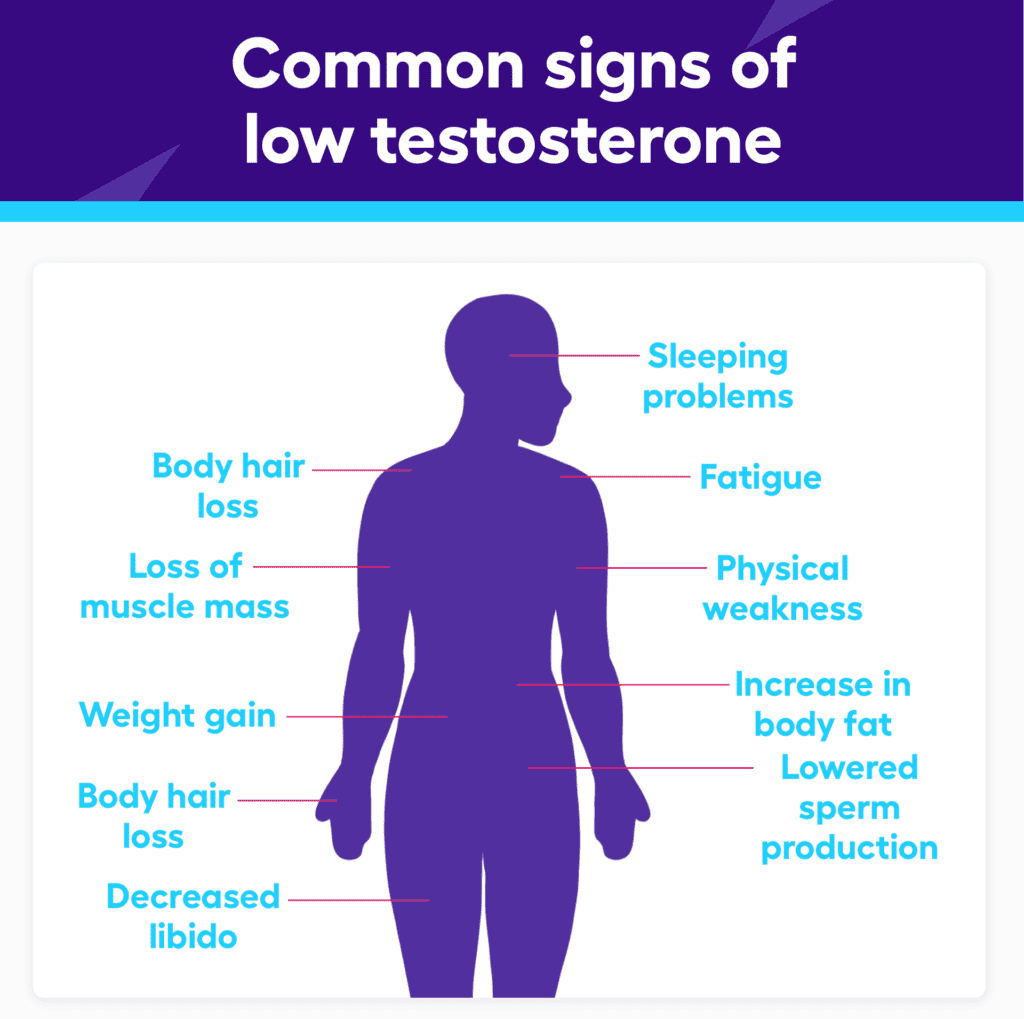
Low testosterone does not only affect physical health; it also has a significant impact on emotional and psychological well-being. Testosterone plays a vital role in regulating mood, stress response, confidence, and mental energy. When testosterone levels fall below normal, the brain’s ability to maintain emotional balance weakens. As a result, mental health symptoms often develop gradually and are commonly mistaken for stress, burnout, or aging. Recognizing these symptoms early can help address underlying hormonal imbalance and prevent long-term emotional difficulties.
- Persistent low mood or sadness: One of the most common symptoms of low testosterone is a lingering low mood that lasts for weeks or months. Reduced testosterone lowers dopamine and serotonin activity in the brain, leading to emotional flatness, reduced pleasure, and difficulty experiencing joy in daily life.
- Anxiety and irritability: Low testosterone is closely linked to increased anxiety, nervousness, and irritability. Individuals may feel tense or constantly on edge, with small challenges triggering frustration or emotional outbursts. This occurs due to disrupted cortisol regulation, which increases stress sensitivity.
- Reduced confidence and self-esteem: Testosterone supports self-confidence, assertiveness, and emotional resilience. When levels decline, individuals often experience self-doubt, lower self-esteem, social withdrawal, and difficulty making decisions, affecting both personal and professional life.
- Poor motivation and mental fatigue: A noticeable drop in motivation, drive, and mental energy is common with low testosterone. Tasks may feel overwhelming, concentration becomes difficult, and enthusiasm for goals declines due to reduced dopamine activity.
- Emotional instability: Hormonal imbalance can lead to mood swings and emotional instability. Individuals may experience sudden shifts in mood, exaggerated emotional responses, and difficulty controlling feelings, which can strain relationships and increase emotional exhaustion.
- Difficulty handling stress: Low testosterone reduces the body’s ability to cope with stress effectively. Situations that were once manageable may feel overwhelming, stress recovery becomes slower, and prolonged tension can lead to sleep problems, anxiety, and depression.
Key Factors Affecting Testosterone and Mental Health
Testosterone levels and mental health are shaped by a combination of biological changes and everyday lifestyle factors. When these influences disrupt hormonal balance, emotional stability, stress tolerance, and psychological resilience are negatively affected. Mental health symptoms such as anxiety, depression, irritability, and low motivation often develop gradually rather than suddenly, making them easy to overlook. Understanding the key factors that influence testosterone helps identify the root causes of emotional changes and supports long-term hormonal and mental well-being.
- Aging: Testosterone levels naturally decline with age, beginning as early as the late 20s or early 30s. This gradual decrease increases vulnerability to mood disorders, emotional instability, fatigue, and reduced stress tolerance. As testosterone drops, the brain produces less dopamine and serotonin, affecting motivation, confidence, and emotional balance. These changes are often mistaken for normal aging rather than hormone-related mental health effects.
- Chronic stress: Long-term stress is one of the most damaging factors for testosterone and emotional health. Persistent high cortisol levels suppress testosterone production and keep the nervous system in a constant state of alert. This imbalance increases anxiety, irritability, emotional exhaustion, and burnout, creating a cycle where low testosterone further worsens stress sensitivity.
- Poor sleep: Quality sleep is essential for testosterone production, as most testosterone is released during deep sleep stages. Sleep deprivation or disrupted sleep patterns can significantly lower testosterone levels in a short time. This leads to mood swings, irritability, poor concentration, reduced emotional resilience, and increased cortisol levels, all of which negatively impact mental health.
- Lifestyle habits: Daily habits strongly influence testosterone levels and psychological well-being. Physical inactivity lowers natural testosterone production and increases the risk of anxiety and depression. Poor diet, especially high intake of processed foods and sugar, promotes inflammation and hormonal imbalance. Smoking damages hormone-producing cells, while excessive alcohol consumption reduces testosterone and disrupts brain chemistry, leading to emotional instability, low motivation, and chronic fatigue over time.
Best Foods for Testosterone and Mental Health
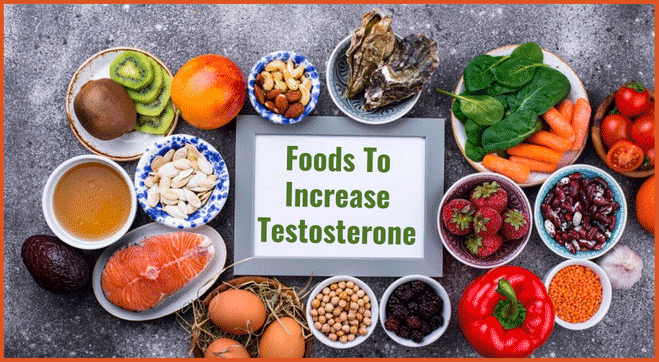
Nutrition plays a powerful role in supporting both testosterone levels and emotional well-being. The brain and hormonal system rely on specific nutrients to produce hormones, regulate neurotransmitters, and control inflammation. A diet rich in whole, nutrient-dense foods helps stabilize mood, improve stress resilience, and naturally support healthy testosterone production. Regularly including the following foods can have a meaningful impact on hormonal balance and mental health.
| Food | Benefit |
| Eggs | Supports hormone production |
| Fatty Fish | Omega-3s for mood and brain health |
| Nuts & Seeds | Zinc and magnesium support testosterone |
| Leafy Greens | Reduce inflammation |
| Avocados | Healthy fats for hormone balance |
| Dark Chocolate | Supports mood and stress reduction |
| Berries | Antioxidants for brain health |
Natural Supplements That May Support Testosterone and Mental Health
Natural supplements can play a supportive role in maintaining healthy testosterone levels and emotional well-being, especially when diet, sleep, or lifestyle factors are not optimal. Testosterone influences mood, motivation, stress resilience, and cognitive function, while mental health is closely tied to nutrient availability and hormonal balance. Although supplements should not replace a healthy lifestyle or medical care, certain nutrients and herbal compounds may help support both testosterone production and psychological health when used appropriately.
- Vitamin D: Vitamin D functions more like a hormone than a traditional vitamin and is closely linked to testosterone production. Adequate levels support healthy testosterone synthesis and help regulate mood-related neurotransmitters such as serotonin. Low vitamin D is associated with fatigue, low mood, and a higher risk of depression. Sunlight exposure or supplementation under medical guidance may improve emotional stability, energy levels, and overall hormonal balance.
- Zinc: Zinc is an essential mineral required for testosterone synthesis and proper brain function. Even mild zinc deficiency can significantly lower testosterone levels and negatively affect mood. Zinc supports nervous system health, improves cognitive function, and helps regulate stress responses, contributing to better motivation, emotional resilience, and reduced anxiety.
- Magnesium: Magnesium plays a key role in stress regulation, sleep quality, and emotional balance. It helps calm the nervous system by regulating cortisol and supporting GABA activity in the brain. Magnesium also supports testosterone availability by reducing its binding to inactive proteins. Low magnesium levels are commonly linked to irritability, anxiety, poor sleep, and mental fatigue.
- Ashwagandha: Ashwagandha is an adaptogenic herb known for its ability to reduce stress and balance hormones. It helps lower cortisol levels, which indirectly supports testosterone production. Ashwagandha has also been shown to reduce anxiety, improve depressive symptoms, and enhance emotional well-being by increasing stress resilience.
- Omega-3 fatty acids: Omega-3 fatty acids, commonly found in fish oil supplements, are essential for brain health and emotional regulation. They reduce inflammation, support neurotransmitter function, and improve mood stability. Omega-3s may also support testosterone production by improving cellular health and reducing stress-related hormonal disruption, with regular intake linked to reduced anxiety and depression symptoms.
When to Seek Medical Help
Low testosterone or hormonal imbalances can gradually affect mood, motivation, and overall mental health. While lifestyle changes like diet, exercise, sleep, and stress management can help, some symptoms require professional evaluation to prevent worsening and restore emotional balance. Seek help if you experience:
- Persistent depression or anxiety
- Noticeable loss of confidence or motivation
- Ongoing low testosterone mental health symptoms
- Suspected hormone imbalance and mental health issues
- Chronic fatigue or low energy
- Difficulty concentrating or “brain fog”
- Poor stress tolerance or irritability
- Sleep disturbances or insomnia
- Reduced libido or sexual health changes
- Physical performance decline or unexplained weight changes
Conclusion
The testosterone impact on mental health extends far beyond physical well-being. It shapes mood, stress tolerance, confidence, motivation, and emotional resilience. Balanced testosterone supports strong psychological health, while imbalances increase the risk of anxiety, depression, and emotional instability.By addressing lifestyle factors, managing stress, and seeking early medical guidance when needed, individuals can protect their hormonal balance and improve long-term mental well-being.
FAQS
How does testosterone affect mental health?
Testosterone affects mental health by influencing brain chemistry, neurotransmitters, and stress hormones. It plays a key role in mood regulation, stress tolerance, confidence, motivation, and emotional resilience. Balanced testosterone supports psychological well-being, while low levels increase the risk of anxiety, depression, fatigue, and emotional instability.
Can low testosterone cause depression or anxiety?
Yes, low testosterone is strongly linked to depression and anxiety. Reduced testosterone lowers dopamine and serotonin activity in the brain, leading to persistent low mood, emotional numbness, increased anxiety, irritability, and difficulty coping with stress.
What are common mental health symptoms of low testosterone?
Common low testosterone mental health symptoms include persistent sadness, anxiety, irritability, low motivation, mental fatigue, reduced confidence, mood swings, emotional instability, and poor stress tolerance. These symptoms often develop gradually and are mistaken for stress or aging.
How are testosterone and stress connected?
Testosterone and stress are closely connected through cortisol, the body’s primary stress hormone. Chronic stress raises cortisol levels, which suppress testosterone production. As testosterone declines, stress tolerance decreases, creating a cycle of emotional exhaustion and increased stress sensitivity.
Does testosterone influence confidence and self-esteem?
Yes, testosterone strongly influences confidence and self-esteem. Healthy levels support assertiveness, emotional strength, and social engagement. Low testosterone can lead to self-doubt, social withdrawal, reduced confidence, and poorer performance in personal and professional life.
Can testosterone levels affect motivation and focus?
Testosterone plays a major role in motivation and focus by supporting dopamine activity in the brain. Low levels often result in reduced drive, poor concentration, mental fatigue, and difficulty staying productive or goal-oriented.
Do women experience mental health effects from testosterone?
Yes, although women have lower testosterone levels than men, the hormone still plays an important role in female mental health. Imbalances can affect mood, motivation, energy levels, stress response, and emotional stability in women as well.
What lifestyle factors lower testosterone and affect mental health?
Aging, chronic stress, poor sleep, physical inactivity, unhealthy diet, smoking, and excessive alcohol consumption can lower testosterone levels. These factors disrupt hormone balance and increase the risk of anxiety, depression, fatigue, and emotional instability.
What foods support testosterone and mental health?
Foods that support testosterone and mental health include eggs, fatty fish, nuts and seeds, leafy greens, avocados, berries, and dark chocolate. These foods provide healthy fats, zinc, magnesium, antioxidants, and omega-3 fatty acids that support hormone balance and brain health.
Can supplements help improve testosterone and mental well-being?
Certain supplements such as vitamin D, zinc, magnesium, omega-3 fatty acids, and ashwagandha may support testosterone production and emotional health. They can help improve mood, stress resilience, and mental clarity when used alongside a healthy lifestyle and medical guidance.
When should someone seek medical help for testosterone-related mental health issues?
Medical help should be sought if symptoms such as persistent depression, anxiety, low confidence, poor motivation, mental fatigue, or emotional instability last for several weeks or interfere with daily life. Testing can help identify testosterone deficiency or broader hormone imbalance.
Can improving testosterone levels improve mental health?
Yes, restoring healthy testosterone levels through lifestyle changes, stress management, proper nutrition, sleep, and medical treatment when necessary can significantly improve mood, confidence, motivation, stress tolerance, and overall psychological well-being.
References
- Can Low Testosterone Cause Anxiety and Depression? (2022, October 6). Health Cleveland Clinic. Retrieved December 31, 2025, from https://health.clevelandclinic.org/low-testosterone-and-mental-health
- Dr Luke Wee. (2025, July 8). Testosterone and Mental Health: Are They Connected? The Cooper Clinic. Retrieved December 31, 2025, from https://thecooperclinic.co.nz/articles/testosterone-and-mental-health/
- How Low Testosterone Affects Your Mental Health. (n.d.). Robert J Cornell, MD, PA. Retrieved December 31, 2025, from https://www.urosurgeryhouston.com/blog/how-low-testosterone-affects-your-mental-health
- The Link Between Testosterone and Men’s Mental Health – Marion Gluck. (n.d.). The Marion Gluck Clinic. Retrieved December 31, 2025, from https://www.mariongluckclinic.com/blog/the-link-between-testosterone-and-mens-mental-health.html
- The Relationship Between Low Testosterone and Mental Health. (n.d.). Greater Hartford Urology Group. Retrieved December 31, 2025, from https://www.greaterhartfordurologygroup.com/the-impact-of-low-testosterone-on-mens-mental-health/

Dr. Ethan Ward, MD, is a board-certified urologist with over 12 years of clinical experience specializing in men’s health, hormone optimization, and sexual wellness. He earned his MD from Johns Hopkins University School of Medicine and completed his urology residency at Cleveland Clinic. Dr. Ward focuses on testosterone therapy, erectile function, and metabolic contributors to hormonal imbalance. His work includes peer-reviewed research on andropause management and patient-centered approaches to male vitality.