

Nutritious weight-loss foods help control hunger, support metabolism, and promote sustainable fat loss by combining protein, fiber, and healthy fats that keep you full longer while delivering essential nutrients for overall health, steady energy, improved digestion, balanced blood sugar levels, and long term weight management without extreme calorie restriction.
Key Takeaways
- Prioritize protein and fiber rich foods to slow digestion and maintain fullness throughout the day.
- Choose nutrient dense, low calorie foods to reduce cravings while meeting daily nutritional needs.
- Combine complex carbohydrates, healthy fats, and protein for stable energy and appetite control.
- Replace refined and highly processed foods with whole, minimally processed options.
- Consistent meal balance supports metabolism, digestion, and long-term weight management.
- Strategic food choices improve satiety, reduce overeating, and encourage sustainable fat loss.
How Nutritious Foods Support Weight Loss
Nutritious foods play an essential role in maintaining satiety, supporting metabolism, and promoting long term fat loss. The best healthy foods for weight loss work by keeping you full longer, providing essential nutrients, supporting digestion, and reducing cravings. When combined with balanced meals and proper hydration, these foods help promote weight management, steady energy, and overall well being. Ways nutritious foods support weight loss include:
- Supporting Fullness Naturally: High fiber and high protein foods like oats, legumes, and eggs slow digestion and increase satiety, helping reduce overeating and snack cravings.
- Boosting Metabolism: Protein rich foods, nuts, seeds, and whole grains support muscle maintenance and fat burning processes, ensuring steady energy and metabolism.
- Reducing Unhealthy Cravings: Nutrient dense foods and fruits curb cravings for sugary or processed foods, helping prevent calorie overload.
- Providing Essential Nutrients: Vegetables, fruits, and whole grains supply vitamins, minerals, and antioxidants that support overall health while promoting fat loss.
- Supporting Digestive Health: Fiber rich foods like oats, legumes, and vegetables improve digestion, regulate bowel movements, and enhance nutrient absorption.
- Sustaining Energy Levels: Complex carbohydrates and healthy fats from whole grains, nuts, and seeds provide long lasting energy, keeping you full and focused throughout the day.
- Strengthening Long Term Weight Management: Consistent consumption of weight loss meals with nutrient dense, low calorie, and fat burning foods supports sustainable weight loss and overall health.
8 Nutritious Weight-Loss Foods That Keep You Full
Maintaining a healthy weight isn’t just about eating less, it’s about eating smarter. Choosing healthy foods for weight loss that are filling and nutrient dense helps you stay satisfied, prevents overeating, and supports long term fat loss. Foods rich in protein, fiber, and healthy fats slow digestion, stabilize blood sugar, and keep your energy steady throughout the day. Incorporating fat burning foods, low calorie foods, and nutrient dense foods into your daily weight loss meals ensures you get essential nutrients while promoting fullness naturally.
1. Oats
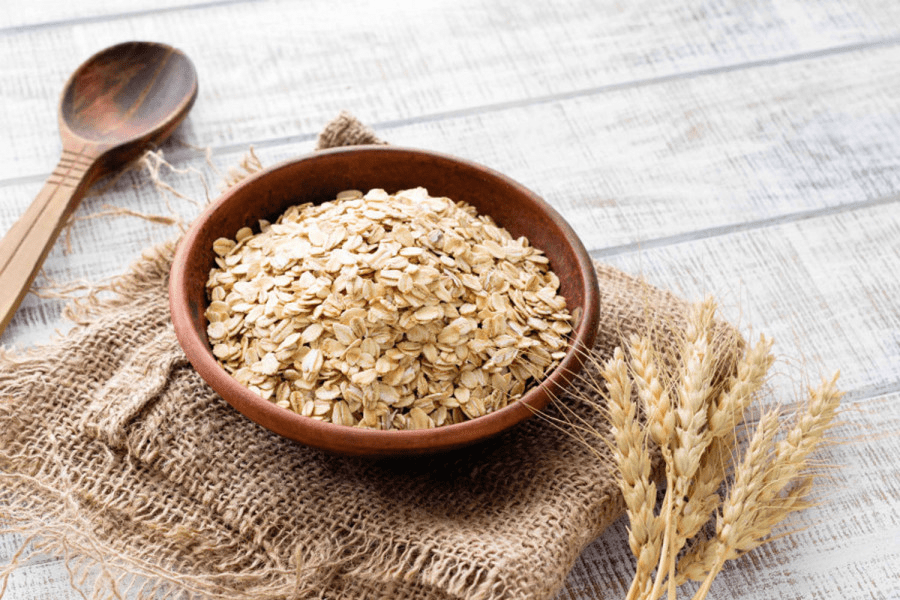
Oats are a whole grain food rich in soluble fiber, particularly beta glucan, which slows digestion and helps you feel full for longer periods. This fiber also supports healthy cholesterol levels and stabilizes blood sugar, preventing sudden spikes and crashes that can trigger cravings. Oats are versatile, making them ideal for weight loss meals, from warm porridge to overnight oats, and even baked snacks.
Benefits:
- Boosts fullness and reduces hunger naturally.
- Provides slow release energy to maintain stamina throughout the day.
- Supports digestive health and promotes regular bowel movements.
- Helps stabilize blood sugar and prevent cravings.
- Supports heart health by reducing cholesterol levels.
- Promotes healthy gut bacteria due to high fiber content.
How to Include:
- Enjoy oatmeal for breakfast with fruits, nuts, or a sprinkle of cinnamon
- Blend oats into smoothies or use in baked recipes like muffins or energy bars
- Mix oats with yogurt or milk for a nutrient rich, filling snack
2. Eggs
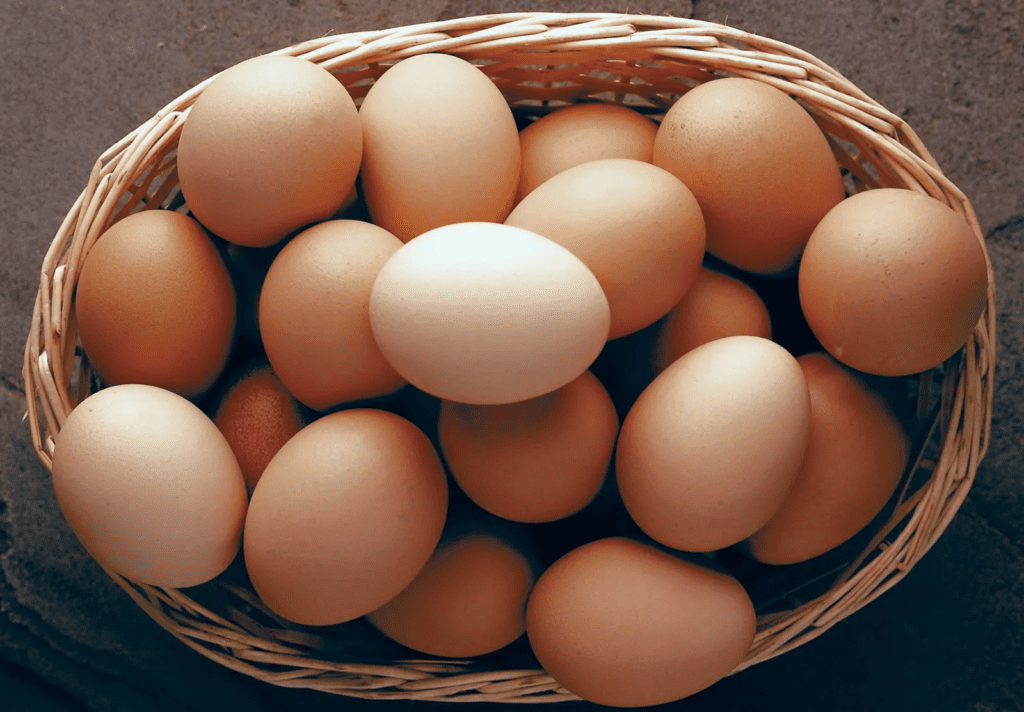
Eggs are a protein packed, low calorie food that supports satiety and lean muscle maintenance, which is crucial for fat loss. They contain essential amino acids and nutrients like vitamin B12, choline, and selenium that support metabolism, brain function, and overall health. Eating eggs for breakfast has been shown to reduce calorie intake later in the day, making them a weight loss superfood.
Benefits:
- Keeps you full for longer periods.
- Supports lean muscle growth and maintenance.
- Helps regulate appetite and reduce snacking.
- Rich in essential vitamins and minerals for overall health.
- Supports metabolism and energy production.
- Helps maintain eye health due to lutein and zeaxanthin content.
How to Include:
- Boil, scramble, poach, or make omelets with vegetables
- Add eggs to salads, grain bowls, or sandwiches for extra protein
- Prepare egg muffins or frittatas for easy meal prep
3. Legumes
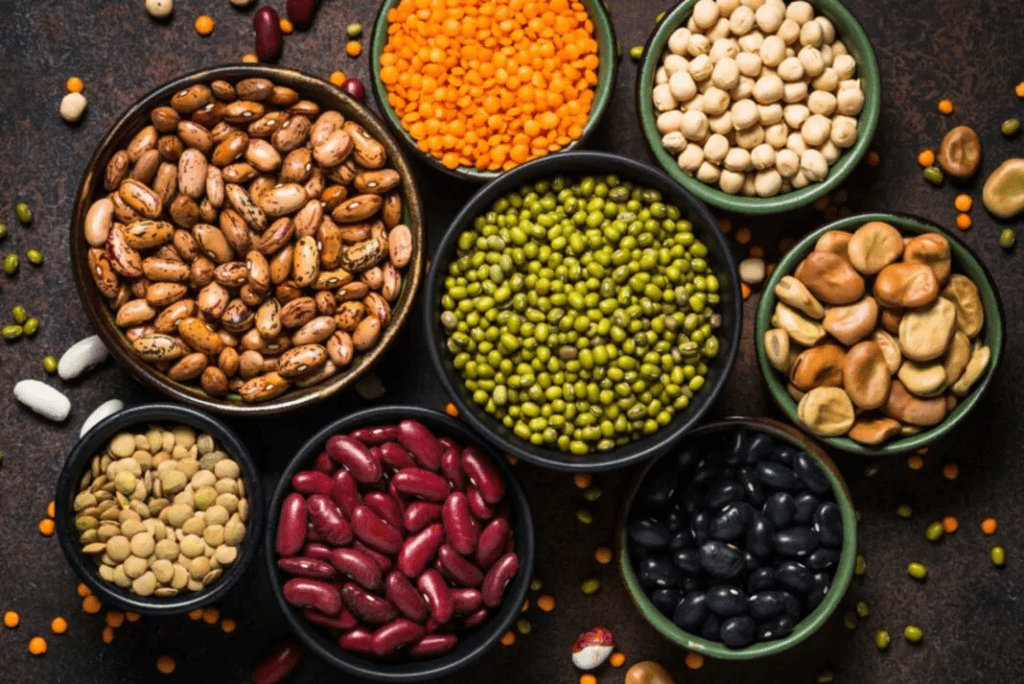
Beans, lentils, and chickpeas are nutrient dense foods rich in both protein and fiber, which slows digestion and sustains fullness. They are low in fat, support stable blood sugar levels, and provide essential minerals like iron, magnesium, and potassium. Legumes are versatile and can be included in a variety of weight loss meals to reduce hunger and increase nutrient intake.
Benefits:
- Sustains fullness for hours
- Supports digestion and gut health due to high fiber content
- Provides plant based protein and essential micronutrients
- Helps regulate blood sugar and reduce insulin spikes
- Supports heart health with low saturated fat
- Contributes to long-term weight management
How to Include:
- Add legumes to soups, stews, and salads
- Make hummus, bean dips, or veggie burgers
- Use lentils or chickpeas as a base for curries or grain bowls
4. Greek Yogurt
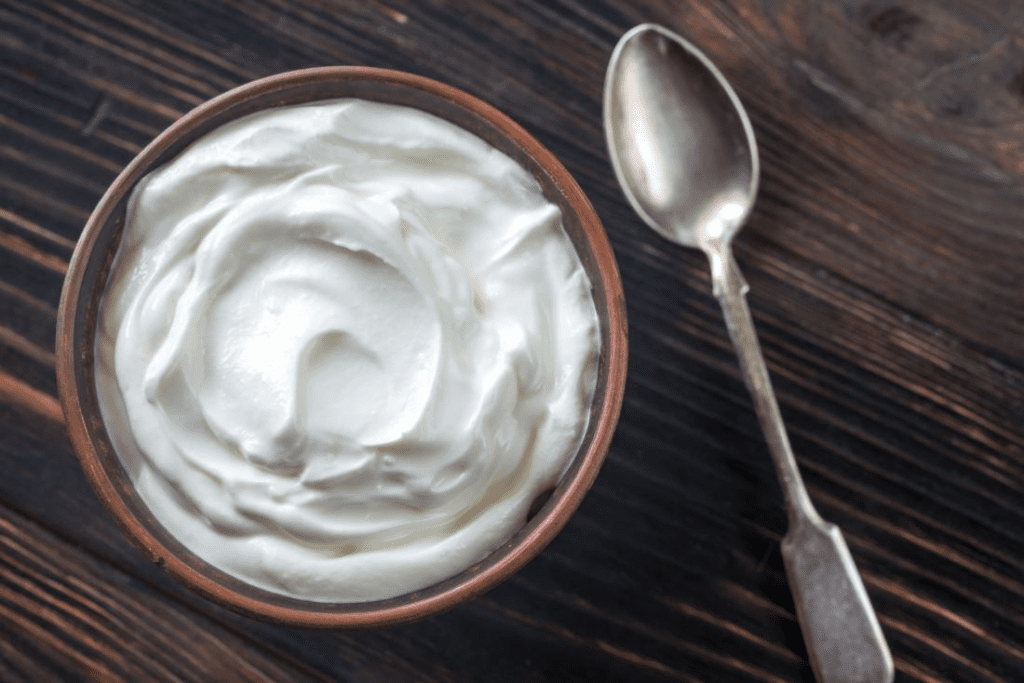
Greek yogurt is high in protein and contains probiotics, which improve gut health, digestion, and nutrient absorption. Protein in Greek yogurt increases satiety, while probiotics support a healthy gut microbiome, which can influence weight regulation. It’s a versatile food for diet foods for weight loss that can be enjoyed in sweet or savory ways.
Benefits:
- Reduces cravings and promotes fullness
- Supports gut and digestive health with live cultures
- Enhances nutrient absorption for better energy and metabolism
- Provides calcium for bone health
- Helps regulate blood sugar levels due to protein content
- Supports immune system health through probiotics
How to Include:
- Eat plain with berries, seeds, or nuts for a balanced snack
- Use as a substitute for cream or mayo in dressings and recipes
- Blend into smoothies for added protein and probiotics
5. Vegetables
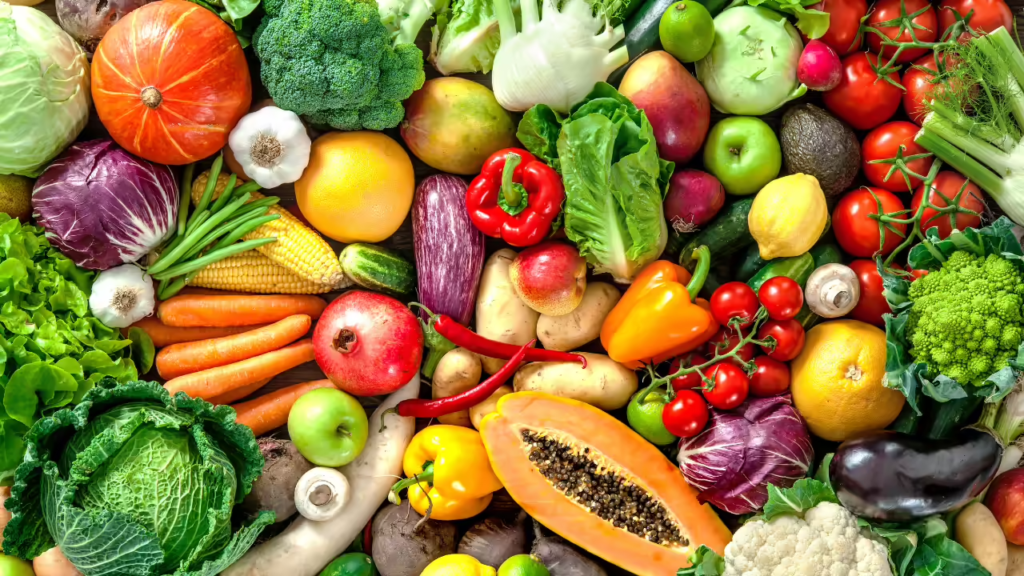
Non-starchy vegetables like broccoli, spinach, zucchini, and bell peppers are low calorie foods packed with fiber, vitamins, minerals, and antioxidants. They increase the volume of meals without adding extra calories, which promotes satiety. Their high fiber content supports digestion and bowel regularity, making them essential for healthy eating for fat loss.
Benefits:
- Provides bulk and fiber for long lasting satiety
- Supplies vitamins, minerals, and antioxidants
- Low calorie, versatile, and easy to include in any meal
- Supports detoxification and overall cellular health
- Reduces risk of chronic diseases with antioxidant properties
- Helps maintain digestive health and regularity
How to Include:
- Add to salads, soups, stir fries, or casseroles
- Snack on raw vegetables with hummus or yogurt dips
- Roast, grill, or steam for a flavorful side dish
6. Nuts and Seeds
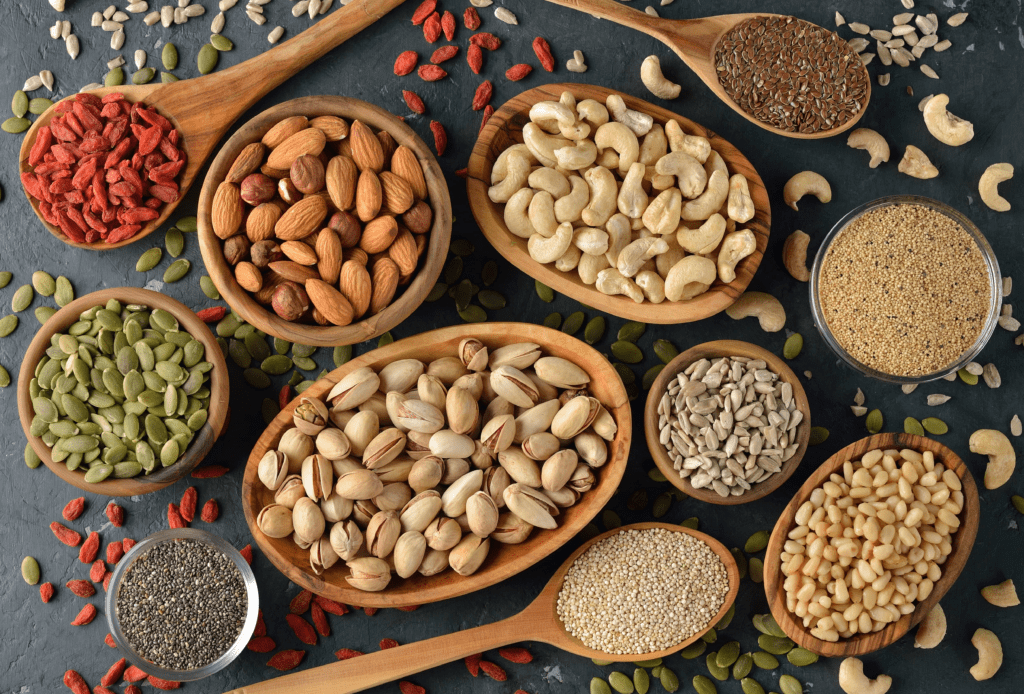
Almonds, walnuts, chia seeds, and flaxseeds are rich in healthy fats, protein, and fiber, which help regulate appetite and sustain energy. Despite being calorie-dense, small portions of nuts and seeds can curb hunger and prevent overeating. They also support metabolism, heart health, and provide omega-3 fatty acids essential for overall wellness.
Benefits:
- Keeps hunger at bay between meals
- Sustains energy and reduces cravings
- Supports fat metabolism and overall health
- Provides essential omega-3 fatty acids for heart and brain health
- Helps balance blood sugar and cholesterol levels
- Improves satiety and prevents snacking on unhealthy foods
How to Include:
- Eat a small handful as a snack or topping for oatmeal
- Sprinkle on salads, yogurt, or smoothie bowls
- Use ground flax or chia in baking or puddings
7. Fruits
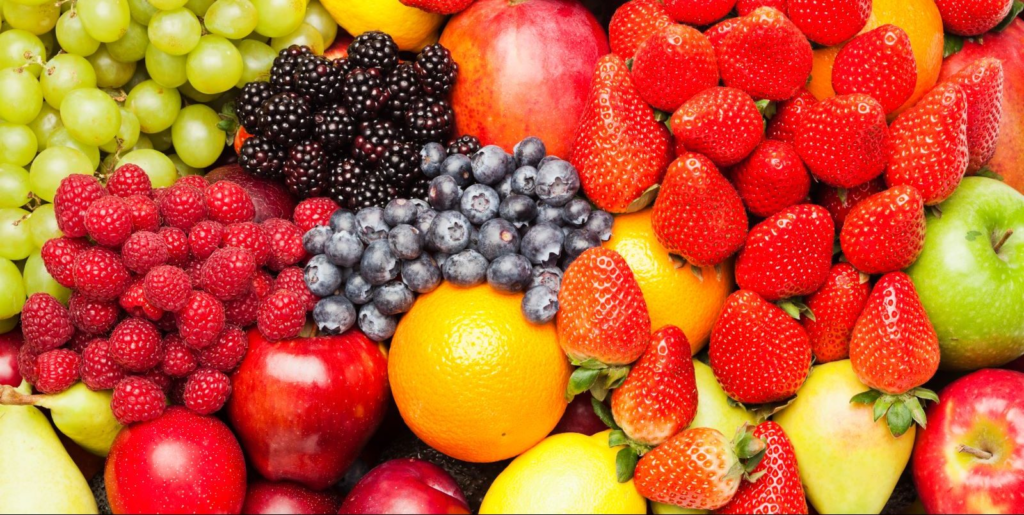
Fruits like berries, apples, pears, and citrus are high in fiber, water, and antioxidants, which promote fullness and hydration. They are naturally sweet, which helps curb sugar cravings, and provide essential vitamins and minerals while remaining low in calories. Fruits are some of the best foods for dieting due to their nutrient density and ability to satisfy cravings naturally.
Benefits:
- Reduces sweet cravings and snacking
- Provides fiber and hydration to support digestion
- Low in calories but nutrient rich, aiding weight management
- Provides antioxidants that protect cells from damage
- Supports heart and immune health
- Offers natural sweetness for healthier meal satisfaction
How to Include:
- Snack on fresh fruits between meals
- Add to oatmeal, yogurt, or smoothies
- Use in salads or as a naturally sweet dessert
8. Whole Grains
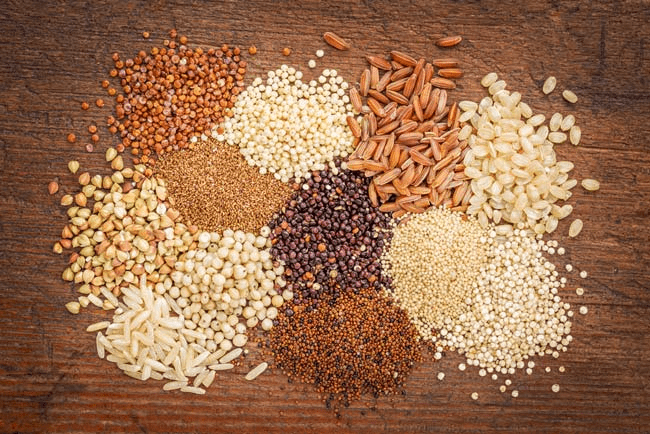
Whole grains such as quinoa, brown rice, barley, and whole wheat are complex carbohydrates that digest slowly, keeping you full and providing sustained energy. They contain fiber, B vitamins, and minerals, supporting healthy foods for weight loss and metabolic health. Replacing refined grains with whole grains helps regulate blood sugar and prevent overeating.
Benefits:
- Improves satiety and keeps energy levels stable
- Supports digestion with high fiber content
- Provides long-lasting carbohydrates for meals
- Supplies essential vitamins and minerals for energy and metabolism
- Helps reduce overeating by slowing digestion
- Supports heart health and lowers cholesterol
How to Include:
- Use in salads, grain bowls, or as side dishes
- Replace white rice or pasta with whole-grain alternatives
- Incorporate in breakfast bowls, pilafs, or soups
Sample Day of Weight-Loss Meals That Keep You Full
This sample day of weight loss meals shows how to combine healthy foods for weight loss into balanced, satisfying meals throughout the day. Each meal focuses on protein, fiber, and nutrient dense foods to promote fullness, reduce cravings, and support steady energy levels while encouraging sustainable fat loss without extreme dieting.
| Meal Time | Meal | What’s Included | Why It Supports Weight Loss & Fullness |
| Breakfast | Oats with Greek Yogurt & Berries | Rolled oats, plain Greek yogurt, berries, chia seeds | High fiber and protein slow digestion, control hunger, and provide long lasting energy. |
| Mid-Morning Snack | Apple with Nuts | Fresh apple, small handful of almonds or walnuts | Fiber and healthy fats reduce cravings and prevent energy crashes. |
| Lunch | Quinoa & Legume Power Bowl | Quinoa, lentils or chickpeas, mixed vegetables, olive oil, lemon | Nutrient dense, high in fiber and protein to sustain fullness and support metabolism. |
| Afternoon Snack | Greek Yogurt or Boiled Eggs | Plain Greek yogurt with seeds or 2 boiled eggs | Protein rich snacks control appetite and reduce overeating later in the day. |
| Dinner | Lean Protein, Vegetables & Whole Grains | Grilled chicken/fish/tofu, non starchy vegetables, brown rice or barley | A balanced meal promotes satiety, supports fat loss, and maintains steady energy. |
| Evening (Optional) | Herbal Tea or Warm Water | Non caloric fluids | Supports digestion, hydration, and helps prevent late night snacking. |
Foods to Limit for Effective Weight Loss
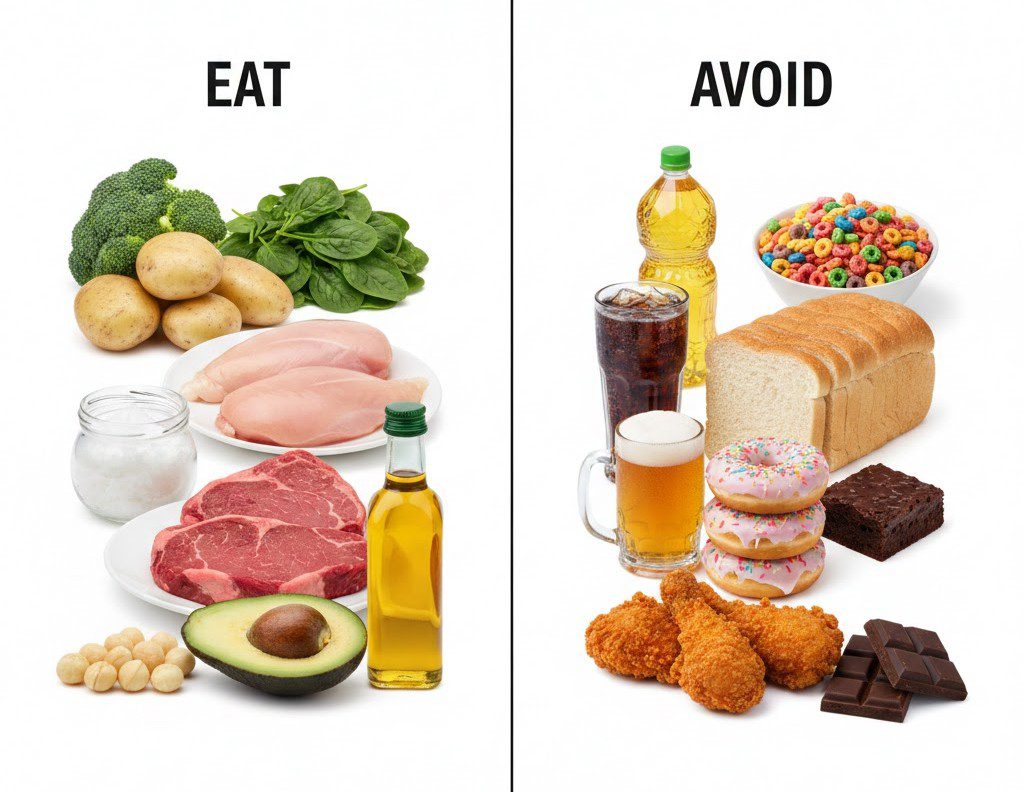
While focusing on healthy foods for weight loss is essential, limiting certain foods can further support fullness, reduce cravings, and improve fat loss results. These foods are often low in nutrients, high in calories, and can trigger overeating when consumed frequently.
- Refined Carbohydrates: White bread, pastries, white rice, and sugary cereals digest quickly and cause blood sugar spikes, leading to increased hunger and cravings shortly after eating.
- Sugary Snacks and Desserts: Cakes, candies, cookies, and sweets provide empty calories with little nutritional value. They promote fat storage, increase cravings, and reduce satiety.
- Sugar Sweetened Beverages: Soft drinks, energy drinks, sweetened teas, and packaged fruit juices add excess calories without promoting fullness, making weight management harder.
- Highly Processed Foods: Packaged snacks, instant noodles, processed meats, and fast foods are often high in unhealthy fats, sodium, and additives that interfere with appetite control and digestion.
- Fried Foods: Deep fried items like fries, fried chicken, and chips are calorie-dense and low in fiber, making them easy to overconsume while offering little satiety.
- Alcohol: Alcohol provides empty calories, slows fat metabolism, and can increase appetite, leading to poor food choices and reduced weight loss progress.
- High Sodium Packaged Foods: Excess sodium can cause water retention, bloating, and increased hunger, making it harder to maintain portion control.
Lifestyle Habits That Enhance Fullness and Fat Loss
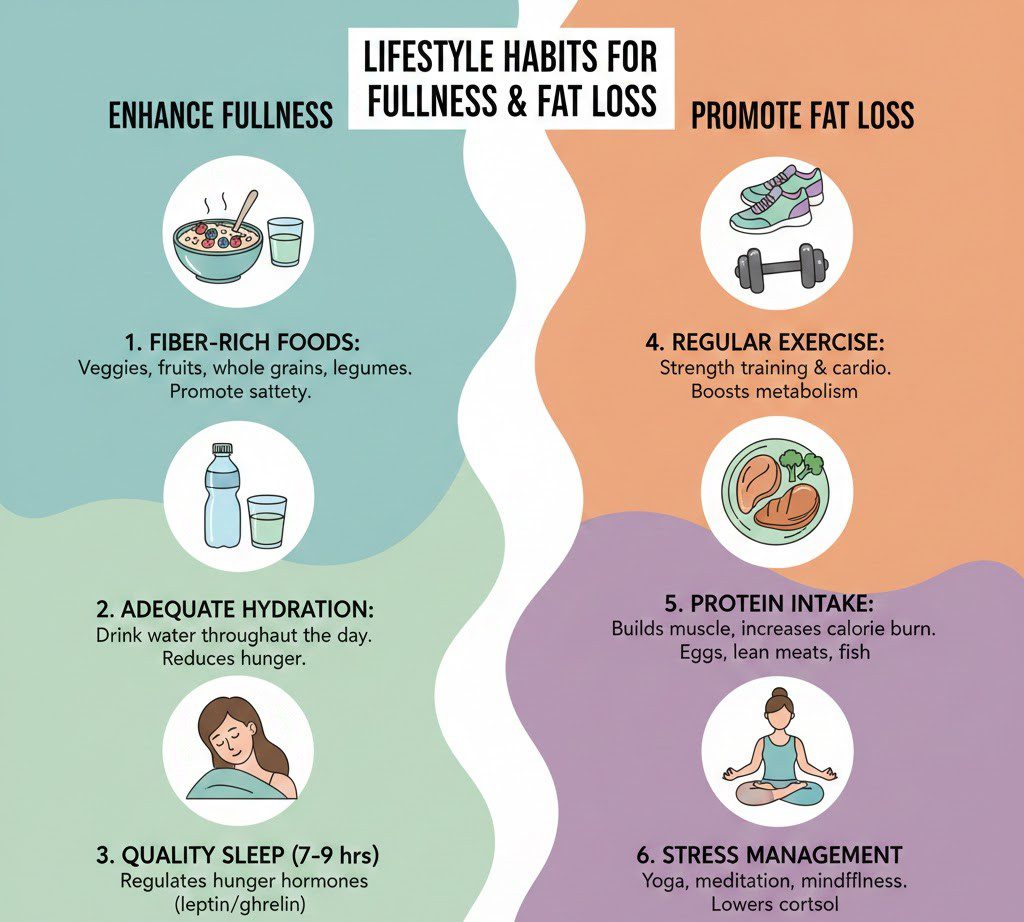
Eating the right foods is essential for weight management, but combining them with healthy lifestyle habits can significantly boost satiety, metabolism, and fat loss. Simple daily practices help your body feel full longer, reduce cravings, and maintain steady energy levels while supporting long term weight management. Incorporating these habits alongside nutrient-dense, low calorie, and fat burning foods can make healthy eating more effective and sustainable.
- Eat Protein Rich Meals: Including protein in every meal helps increase satiety, reduces appetite, and supports lean muscle maintenance, which is essential for boosting metabolism and promoting fat loss.
- Prioritize Fiber Intake: High fiber foods like vegetables, fruits, whole grains, and legumes slow digestion and promote fullness. Fiber also supports digestive health, regulates blood sugar, and prevents overeating.
- Stay Hydrated: Drinking enough water throughout the day aids digestion, promotes fullness, and helps prevent mistaking thirst for hunger. Hydration also supports metabolic processes and overall energy levels.
- Practice Mindful Eating:Eating slowly, chewing thoroughly, and paying attention to hunger cues improves digestion, enhances satiety, and reduces the risk of overeating.
- Include Healthy Fats: Incorporating sources of healthy fats like nuts, seeds, avocado, and olive oil increases fullness, supports hormone balance, and helps the body absorb fat-soluble vitamins.
- Exercise Regularly: Combining physical activity with healthy eating helps preserve lean muscle mass, boosts metabolism, and improves fat-burning efficiency. Even moderate exercises like walking, yoga, or strength training support weight management.
- Get Quality Sleep: Adequate sleep regulates hunger hormones like ghrelin and leptin, which control appetite and fullness. Poor sleep can increase cravings for calorie-dense foods and hinder fat loss efforts.
- Manage Stress Effectively:
High stress levels trigger emotional eating and cravings for sugary or processed foods. Stress management techniques like meditation, deep breathing, or journaling can help maintain healthy eating habits. - Plan and Prepare Meals: Meal planning reduces impulsive eating, ensures balanced nutrient intake, and helps you incorporate fullness promoting foods consistently into your diet.
- Limit Highly Processed Foods and Sugary Snacks: Processed foods often lack fiber and protein, causing rapid hunger and overeating. Reducing these foods supports satiety and improves overall diet quality.
Conclusion
Nutritious weight-loss foods that keep you full longer focus on the smart combination of protein, fiber, complex carbohydrates, and healthy fats to naturally control hunger, reduce cravings, and support sustainable fat loss. By prioritizing nutrient dense, low calorie foods such as whole grains, eggs, legumes, vegetables, fruits, nuts, and Greek yogurt, weight loss becomes more manageable without extreme restriction. These foods slow digestion, stabilize blood sugar, improve metabolism, and provide steady energy throughout the day. When paired with balanced meals, mindful eating, proper hydration, and healthy lifestyle habits, they promote long-term weight management, better digestion, and overall well being while preventing overeating and supporting consistent, healthy fat loss.
FAQs
What are nutritious weight-loss foods that keep you full longer?
Nutritious weight-loss foods are nutrient-dense, low-calorie foods rich in protein, fiber, and healthy fats that slow digestion, control hunger, and support sustainable fat loss while providing essential nutrients.
Why do protein- and fiber-rich foods help with weight loss?
Protein and fiber slow digestion, stabilize blood sugar levels, and increase satiety, which helps reduce cravings, prevent overeating, and support long-term weight management.
Are oats good for weight loss and fullness?
Yes, oats are rich in soluble fiber that slows digestion, keeps you full longer, stabilizes blood sugar, and provides steady energy, making them ideal for weight-loss meals.
Can eating eggs daily support fat loss?
Eggs are high in protein and low in calories, helping control appetite, maintain lean muscle mass, and reduce calorie intake later in the day when eaten as part of a balanced diet.
How do legumes support weight loss and satiety?
Legumes provide both plant-based protein and fiber, which sustain fullness, improve digestion, regulate blood sugar, and support long-term weight management.
Is Greek yogurt good for healthy eating and fat loss?
Greek yogurt is high in protein and probiotics, which promote fullness, support gut health, reduce cravings, and aid metabolism when consumed without added sugars.
Can nuts and seeds be included in a weight-loss diet?
Yes, when eaten in controlled portions, nuts and seeds help curb hunger, provide healthy fats, support metabolism, and prevent unhealthy snacking.
Which fruits are best for weight loss and fullness?
High-fiber fruits like berries, apples, pears, and citrus help control hunger, reduce sugar cravings, provide hydration, and support digestion while remaining low in calories.
Why are whole grains better than refined grains for weight loss?
Whole grains digest slowly, keep you full longer, stabilize blood sugar, and reduce overeating, making them more effective for sustainable weight loss than refined grains.
Can lifestyle habits improve the effectiveness of weight-loss foods?
Yes, habits like staying hydrated, eating mindfully, getting enough sleep, managing stress, exercising regularly, and planning meals enhance satiety, metabolism, and fat loss results.
References
- Jones, J., & Bubnis, D. (n.d.). 16 Healthy Foods to Support Weight Loss. Healthline. Retrieved January 2, 2026, from https://www.healthline.com/nutrition/most-weight-loss-friendly-foods#TOC_TITLE_HDR_3
- Low-Calorie Foods That Actually Keep You Full. (2025, November 19). Qua Nutrition. Retrieved January 2, 2026, from https://quanutrition.com/blog/low-calorie-foods-that-actually-keep-you-full/
- O’Connor, L., & Santora, E. (2025, December 9). 18 Foods That Keep You Full Longer Than Oatmeal – Nutrition. Health. Retrieved January 2, 2026, from https://www.health.com/foods-that-keep-you-full-longer-than-oatmeal-11719470
- Santora, E. (2025, November 9). 13 Vegetables for Weight Loss That Keep You Full and Satisfied. Health. Retrieved January 2, 2026, from https://www.health.com/vegetables-for-weight-loss-8788619
- Top 10 Foods for Health | Patient Education. (n.d.). UCSF Health. Retrieved January 2, 2026, from https://www.ucsfhealth.org/education/top-ten-foods-for-health
- Weight loss: Feel full on fewer calories. (n.d.). Mayo Clinic. Retrieved January 2, 2026, from https://www.mayoclinic.org/healthy-lifestyle/weight-loss/in-depth/weight-loss/art-20044318

Dr. Priya Mehta, MD, MPH, is an obesity medicine specialist with more than 10 years of experience in clinical nutrition, metabolic health, and lifestyle medicine. She earned her medical degree from Stanford University and an MPH in Nutrition Policy from Harvard T.H. Chan School of Public Health. Dr. Mehta’s practice emphasizes evidence-based weight management through behavioral science, medication therapy, and nutrition education. She has contributed to national obesity treatment guidelines and serves as a consultant for public health weight-loss initiatives.