

Common weight-loss mistakes, including hidden calories, poor habits, and misconceptions, slow metabolism, trigger cravings, and hinder fat loss. Identifying and correcting these errors improves energy, maintains muscle, regulates appetite, and supports sustainable weight-loss results.
Key Takeaways
- Extreme calorie restriction slows metabolism and increases hunger.
- Skipping protein and fiber reduces satiety and triggers overeating.
- Relying on processed foods spikes blood sugar and hinders fat loss.
- Ignoring strength training causes muscle loss and slows metabolism.
- Falling for fad diets leads to nutrient deficiencies and rebound weight gain.
- Irregular eating or skipping meals disrupts metabolism and increases cravings.
- Overestimating calorie burn negates fat-loss efforts.
- Poor sleep and high stress disrupt hunger hormones and fat-loss efficiency.
- Sugary drinks, alcohol, and dehydration add empty calories and reduce fullness.
How Common Weight-Loss Mistakes Affect Results
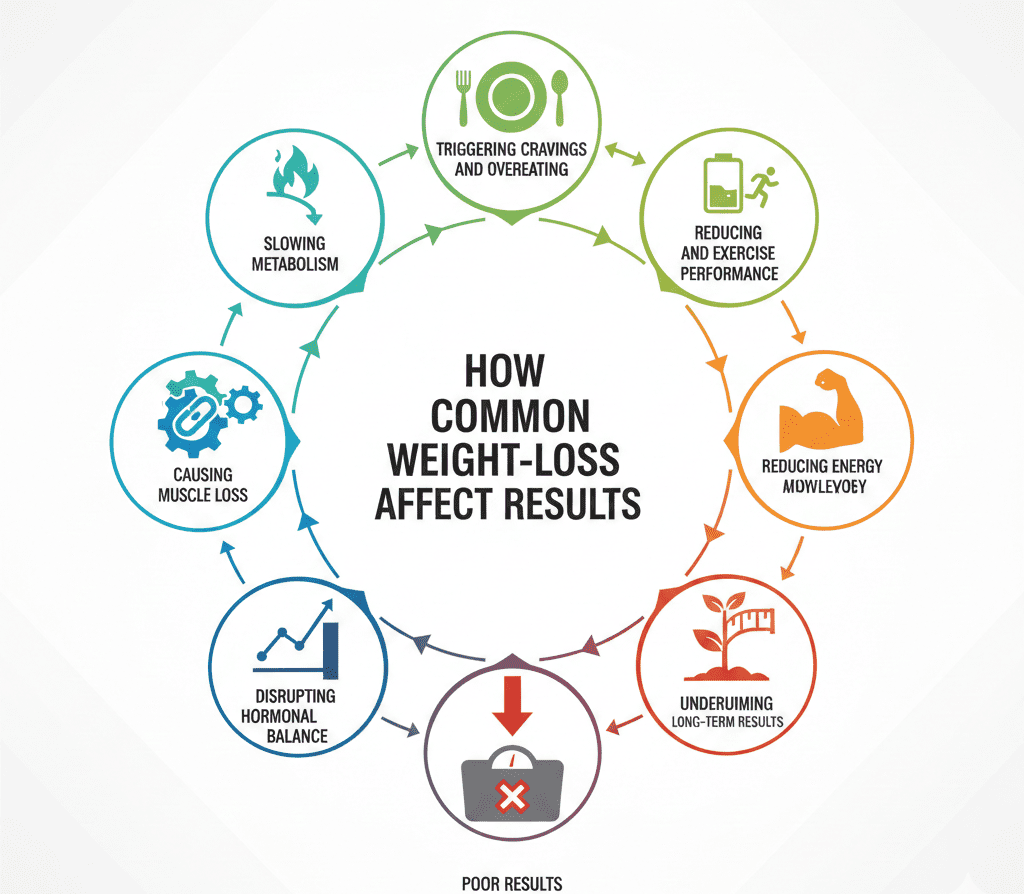
Weight-loss mistakes are common reasons why you’re not losing weight despite effort. Misunderstandings, hidden calories, and poor habits can sabotage fat loss, slow metabolism, and make results harder to achieve. Identifying and correcting these mistakes helps improve energy, maintain lean muscle, regulate appetite, and support sustainable weight loss. Ways weight-loss misconceptions and errors affect results include:
- Slowing Metabolism: Extreme dieting, skipping meals, or frequent fasting lowers metabolic rate, making fat-loss slower and less efficient.
- Triggering Cravings and Overeating: Emotional eating, stress, or inconsistent meal timing can lead to common diet pitfalls and overconsumption of calorie-dense foods.
- Reducing Energy and Exercise Performance: Fat-loss mistakes like inadequate nutrition or excessive cardio without recovery reduce energy and workout efficiency, limiting fat-burning potential.
- Causing Muscle Loss: Ignoring protein intake or strength training results in lean muscle loss, slowing metabolism and sabotaging sustainable weight-loss goals.
- Creating Plateaus: Weight-loss errors to avoid, such as relying solely on fad diets or underestimating calories, can stall progress and make results temporary.
- Disrupting Hormonal Balance: Poor sleep, high stress, and irregular eating affect hormones like ghrelin and leptin, increasing hunger and fat-loss challenges.
- Undermining Long-Term Results: Things sabotaging your weight loss, like frequent processed food consumption or poor meal planning, reduce adherence to healthy habits, making weight management harder.
10 Common Weight-Loss Mistakes That Are Slowing Your Progress
Identifying weight-loss mistakes is essential to understand why you’re not losing weight effectively. Avoiding these errors ensures sustainable fat loss, better energy, and long-term results.
1. Over-Restricting Calories
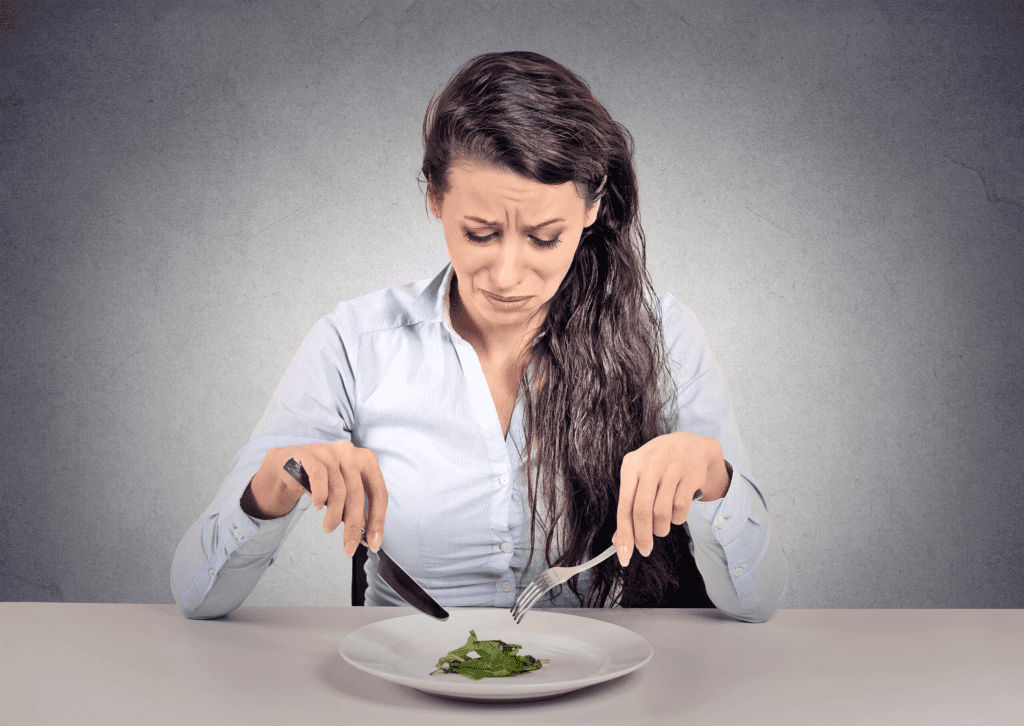
Severely cutting calories may seem like a quick fix, but it can backfire in several ways. When your body receives too few calories, it triggers a survival response that slows metabolism, reduces energy expenditure, and makes you feel fatigued. Over time, this can increase hunger and cravings, leading to overeating or binge episodes. In addition, extreme calorie restriction often results in nutrient deficiencies, which can impair immunity, hormone balance, and muscle preservation. Instead of accelerating weight loss, this approach can stall progress, cause frustration, and even contribute to long-term weight gain.
How to Fix It:
- Reduce calories moderately instead of extreme restriction.
- Include nutrient-dense foods to meet daily vitamin and mineral needs.
- Eat balanced meals with protein, fiber, and healthy fats.
- Focus on gradual weight loss of 0.5-1 kg per week.
2. Skipping Protein and Fiber
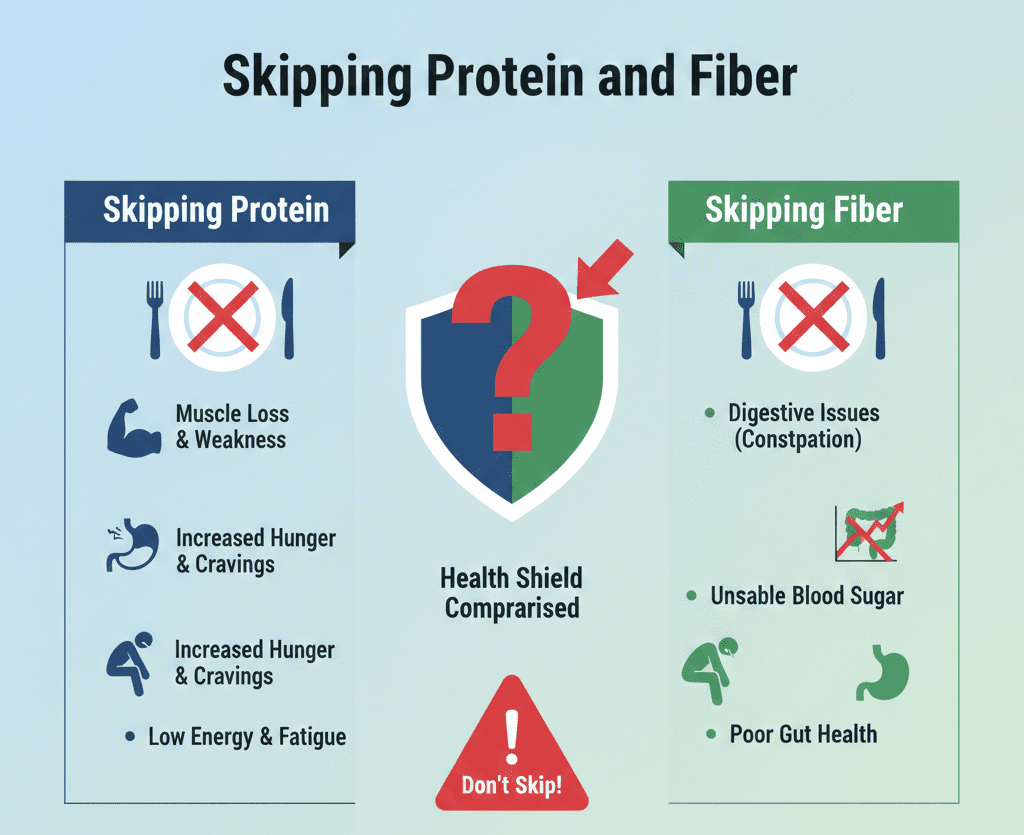
Not prioritizing protein and fiber in your meals reduces fullness and can trigger cravings, leading to overeating. Protein supports lean muscle maintenance, boosts metabolism, and promotes satiety. Fiber, found in vegetables, fruits, legumes, and whole grains, slows digestion, stabilizes blood sugar, and supports gut health. Neglecting these nutrients often leads to energy crashes, persistent hunger, and difficulty sticking to a calorie-controlled diet.
How to Fix It:
- Include 20-30 g of protein per meal (eggs, Greek yogurt, lean meats).
- Add fiber-rich foods like vegetables, fruits, legumes, and whole grains.
- Combine protein, fiber, and healthy fats to stabilize blood sugar.
- Snack on nuts, seeds, or fruits to maintain satiety.
3. Relying on Highly Processed Foods
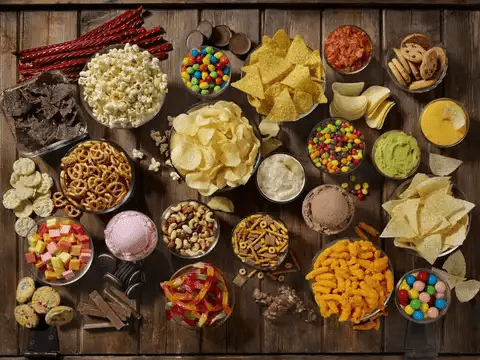
Packaged snacks, sugary drinks, and refined carbs may be convenient but can spike blood sugar, increase hunger, and hinder fat loss. Processed foods often lack essential nutrients, are calorie-dense, and promote cravings, making it difficult to maintain a consistent, healthy eating pattern. Over time, reliance on these foods can slow metabolism and sabotage fat-loss efforts.
How to Fix It:
- Replace processed foods with whole, nutrient-dense options.
- Limit sugary drinks and replace them with water, herbal tea, or infused water.
- Include complex carbs like brown rice, oats, and quinoa.
- Prepare meals at home to control ingredients and portions.
4. Ignoring Strength Training
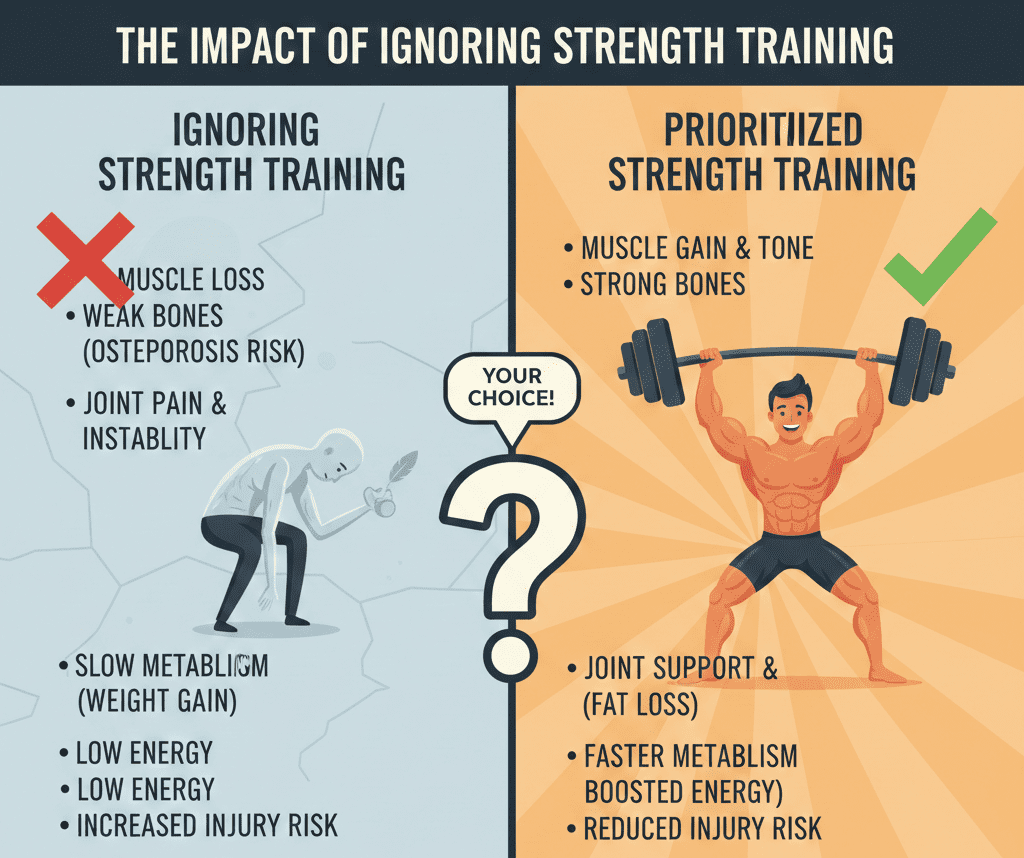
Many people focus solely on cardio, believing it’s enough for fat loss. Skipping strength training is a common fitness mistake because preserving and building muscle is crucial for boosting metabolism, increasing calorie burn at rest, and improving body composition. Without resistance training, weight loss may result in muscle loss rather than fat loss, slowing overall progress and making it harder to maintain results long-term.
How to Fix It:
- Incorporate strength training 2-3 times per week.
- Use resistance bands, weights, or bodyweight exercises.
- Include core-focused exercises to tone your midsection.
- Combine with cardio for optimal fat-burning results.
5. Falling for Quick-Fix Diets

Fad diets promise rapid results, but they are rarely sustainable. These weight-loss misconceptions often involve extreme restriction, elimination of entire food groups, or unrealistic routines. While they may initially show results, they commonly lead to nutrient deficiencies, rebound weight gain, and frustration. Quick fixes do not teach long-term habits, which are essential for maintaining fat loss.
How to Fix It:
- Avoid restrictive or extreme diet trends.
- Focus on balanced meals with protein, fiber, and healthy fats.
- Gradually implement sustainable lifestyle changes.
- Track progress to measure real results over time.
6. Eating Irregularly or Skipping Meals
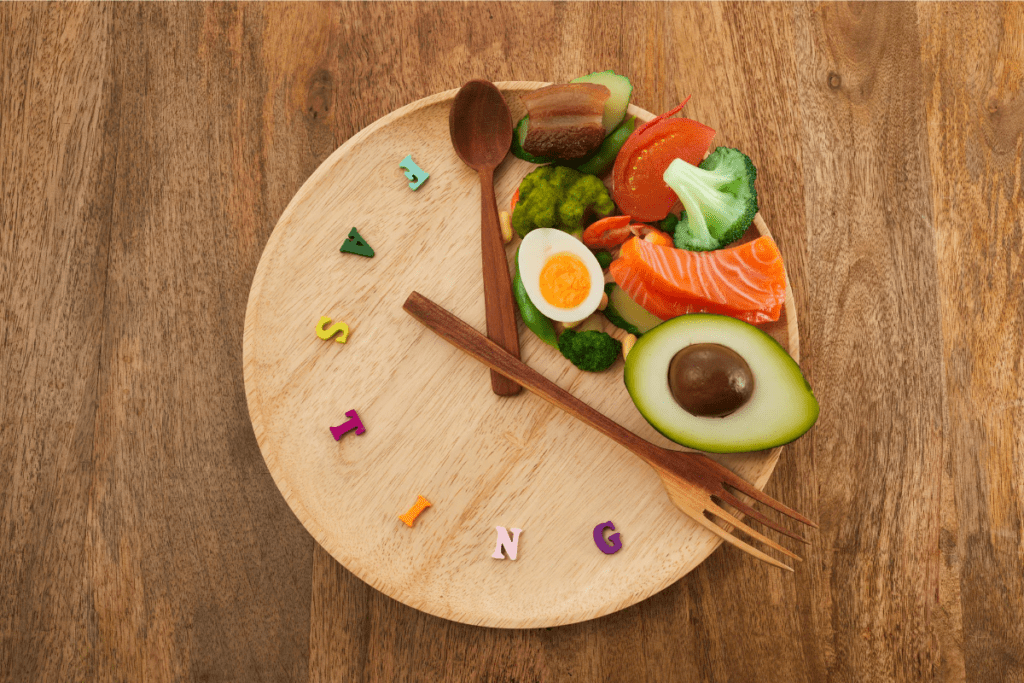
Skipping meals or eating at inconsistent times can backfire by increasing hunger, cravings, and the likelihood of overeating later. Irregular eating patterns disrupt metabolism, impair blood sugar control, and reduce energy levels. Over time, this mistake contributes to fatigue, poor concentration, and a slowed fat-loss process.
How to Fix It:
- Eat 3-5 balanced meals daily at consistent times.
- Include protein, fiber, and healthy fats in each meal.
- Avoid late-night snacking to align with your circadian rhythm.
- Listen to hunger cues rather than external schedules.
7. Overestimating Calorie Burn
Assuming exercise allows for overeating is a common weight-loss error. Many people overcompensate after workouts by consuming more calories than they burned, which negates the calorie deficit needed for fat loss. While exercise is important for overall health, it cannot fully offset poor dietary choices.
How to Fix It:
- Track calorie intake and exercise accurately.
- Combine exercise with mindful, balanced eating.
- Avoid “reward eating” after workouts.
- Focus on overall energy balance rather than individual workouts.
8. Ignoring Sleep and Stress

Poor sleep and chronic stress disrupt hormones like ghrelin and leptin, which regulate appetite, fullness, and fat storage. High cortisol levels from stress can increase cravings for sugary and processed foods, particularly around the abdomen. Even with the best diet and exercise, neglecting sleep and stress management can sabotage fat-loss efforts and slow progress significantly.
How to Fix It:
- Aim for 7-9 hours of quality sleep each night.
- Practice stress-reducing techniques: meditation, yoga, or journaling.
- Avoid late-night eating and caffeine before bed.
- Maintain a consistent sleep and wake schedule.
9. Drinking Sugary Beverages and Alcohol
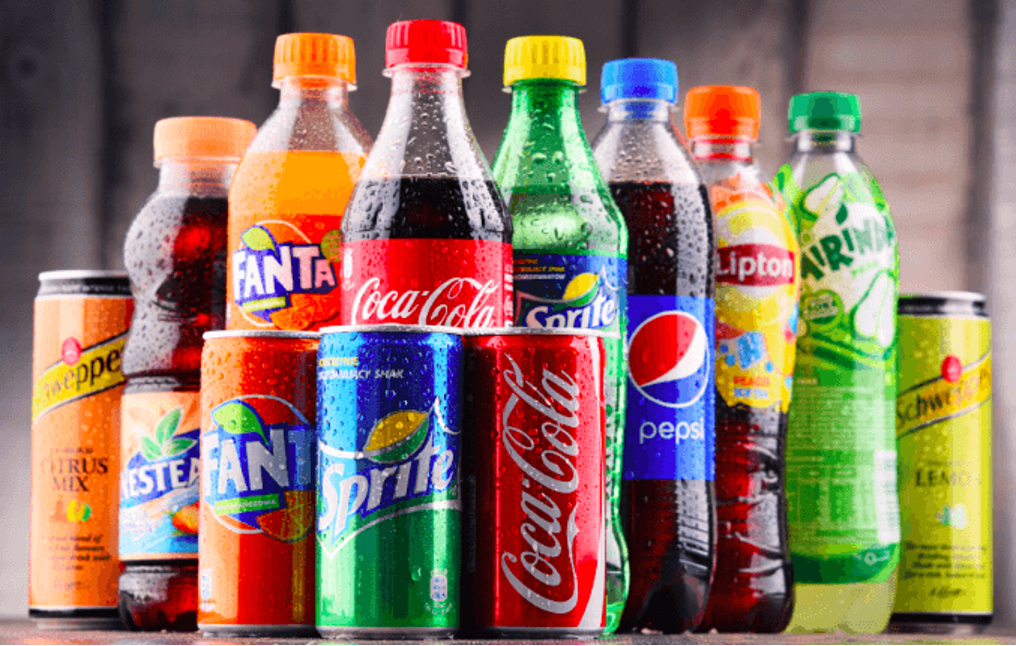
Sugary drinks and alcohol contribute empty calories that are easily overlooked. These liquids can spike blood sugar, promote fat storage (especially around the belly), and undermine calorie control. Over time, they become a major obstacle for anyone trying to lose weight sustainably.
How to Fix It:
- Replace sugary beverages with water, herbal tea, or sparkling water.
- Limit alcohol intake to support fat loss.
- Track liquid calories along with meals.
10. Neglecting Hydration

Even mild dehydration can slow metabolism, reduce energy, and make you feel hungry when your body actually needs water. Proper hydration supports digestion, satiety, and nutrient absorption, all of which are important for effective weight loss.
How to Fix It:
- Drink 2-3 liters of water daily.
- Include hydrating foods like fruits and vegetables.
- Replace sugary drinks with water to improve satiety.
Lifestyle Habits That Support Fat Loss
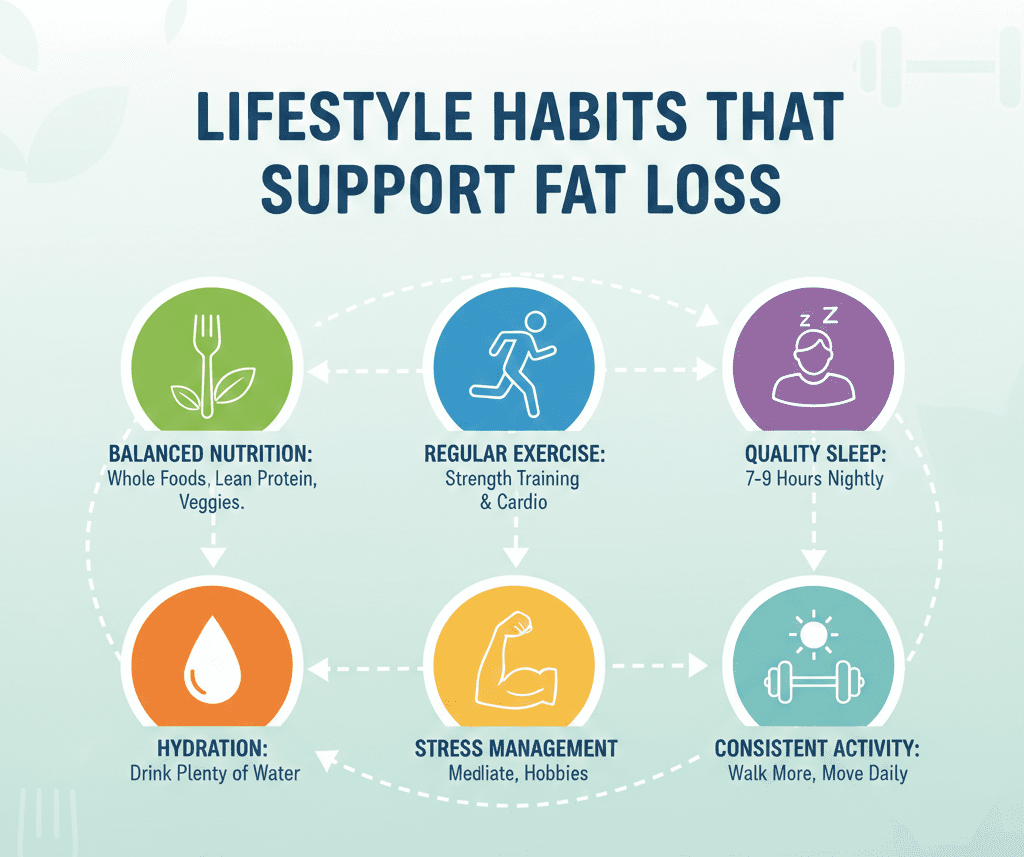
While correcting weight-loss mistakes is essential, combining proper habits with healthy eating dramatically improves results. These lifestyle habits help prevent fat-loss mistakes, reduce things sabotaging your weight loss, and support sustainable fat loss:
- Eat Protein-Rich Meals: Including protein in every meal increases fullness, preserves lean muscle, and supports metabolism, reducing fat-loss challenges.
- Prioritize Fiber Intake: High-fiber foods like vegetables, fruits, whole grains, and legumes slow digestion, regulate blood sugar, and prevent common diet pitfalls.
- Stay Hydrated: Drinking enough water helps digestion, prevents mistaking thirst for hunger, and enhances energy for fat-burning workouts.
- Plan and Prepare Meals: Meal planning reduces impulsive eating, ensures balanced nutrition, and helps avoid weight-loss errors caused by last-minute unhealthy choices.
- Exercise Smartly: Combining cardio and strength training preserves muscle, boosts metabolism, and addresses fitness mistakes that slow fat loss.
- Manage Stress Effectively: Meditation, journaling, or breathing exercises reduce stress-related cravings and emotional eating, common weight-loss misconceptions.
- Get Quality Sleep: Adequate sleep regulates hunger hormones like ghrelin and leptin, preventing overeating and supporting metabolism.
- Practice Mindful Eating: Paying attention to hunger cues, eating slowly, and enjoying meals improves satiety and reduces things sabotaging your weight loss.
- Include Healthy Fats: Nuts, seeds, avocado, and olive oil promote fullness, support hormone balance, and help your body absorb fat-soluble nutrients.
Common Weight-Loss Myths vs Facts
Many people struggle with why you’re not losing weight because of weight-loss misconceptions and fat-loss mistakes. Separating myths from facts helps avoid things sabotaging your weight loss and supports sustainable fat loss.
| Myth | Fact |
| Severely restricting calories accelerates weight loss | Extreme calorie restriction slows metabolism, reduces energy, and can increase cravings and binge episodes |
| Skipping protein and fiber doesn’t affect fullness | Protein and fiber support satiety, maintain lean muscle, stabilize blood sugar, and prevent overeating |
| Processed foods are fine if convenient | Highly processed foods spike blood sugar, increase hunger, and hinder fat loss |
| Cardio alone is enough for weight loss | Strength training preserves muscle, boosts metabolism, and improves body composition |
| Quick-fix or fad diets are effective long-term | Fad diets are unsustainable, can cause nutrient deficiencies, and often lead to rebound weight gain |
| Eating irregularly or skipping meals has no impact | Irregular meals increase cravings, disrupt metabolism, and reduce energy levels |
| Exercise lets you eat anything | Overestimating calorie burn can negate fat loss; mindful eating with exercise is needed |
| Sleep and stress don’t affect weight | Poor sleep and high stress disrupt hunger hormones and fat-loss processes |
| Sugary beverages and alcohol don’t matter much | They provide empty calories, spike blood sugar, and promote fat storage |
| Drinking less water is harmless | Dehydration slows metabolism, reduces energy, and can increase feelings of hunger |
Conclusion
Common weight-loss mistakes, including extreme calorie restriction, skipping protein and fiber, relying on processed foods, ignoring strength training, falling for fad diets, eating irregularly, overestimating calorie burn, poor sleep, high stress, and consuming sugary drinks or alcohol, can slow metabolism, trigger cravings, reduce energy, cause muscle loss, and hinder sustainable fat loss. Identifying these mistakes and adopting healthier habits such as balanced meals with protein, fiber, and healthy fats, strength training, proper hydration, mindful eating, stress management, and adequate sleep supports metabolism, preserves muscle, regulates appetite, and ensures long-term fat-loss success while avoiding common misconceptions that sabotage progress.
FAQs
What are the most common weight-loss mistakes?
Common mistakes include extreme calorie restriction, skipping protein and fiber, relying on processed foods, ignoring strength training, following fad diets, irregular eating, overestimating calorie burn, poor sleep, high stress, and consuming sugary drinks or alcohol.
How does over-restricting calories affect weight loss?
Severely cutting calories can backfire by slowing your metabolism, increasing hunger, causing fatigue, and leading to nutrient deficiencies. Over time, this can result in muscle loss, overeating, and even long-term weight gain.
Why is protein and fiber important for weight loss?
Protein supports muscle maintenance, boosts metabolism, and increases feelings of fullness. Fiber slows digestion, stabilizes blood sugar, promotes gut health, and reduces overeating, making it easier to stick to a healthy calorie-controlled diet.
How do processed foods impact fat loss?
Highly processed foods often contain empty calories, refined carbs, and added sugars, which spike blood sugar, increase hunger, and trigger cravings. Over-reliance on these foods can slow metabolism and hinder consistent fat loss.
Is cardio alone enough for weight loss?
No. While cardio burns calories, ignoring strength training can lead to muscle loss and a slower metabolism. Combining resistance exercises with cardio helps preserve muscle, increase calorie burn, and improve body composition.
Why do fad diets fail in the long term?
Fad diets often involve extreme restrictions or eliminate food groups, which may show quick results but are unsustainable. They can cause nutrient deficiencies, rebound weight gain, and fail to teach long-term healthy eating habits.
How does irregular eating or skipping meals affect weight loss?
Skipping meals or eating inconsistently can disrupt metabolism, increase cravings, and make overeating more likely. Over time, this leads to reduced energy, poor concentration, and slower, less sustainable fat-loss results.
Can overestimating exercise calories sabotage weight loss?
Yes. Many people assume they burned more calories than they actually did and overeat afterward. This can cancel out the calorie deficit needed for fat loss, making diet and exercise less effective.
How do sleep and stress influence weight-loss results?
Poor sleep and high stress affect hormones that control hunger and fullness, such as ghrelin and leptin. This can increase cravings for sugary foods, reduce energy, and slow down fat-loss progress.
Why is hydration important for weight loss?
Staying properly hydrated supports digestion, helps the body absorb nutrients, improves feelings of fullness, and prevents mistaking thirst for hunger. Even mild dehydration can reduce metabolism and energy for workouts.
References
- Common Weight Loss Mistakes That Could Be Holding You Back (and How to Fix Them). (2025, March 3). Beth Israel Lahey Health. Retrieved January 2, 2026, from https://bilh.org/about/news-and-stories/all-news-and-stories/blogs/2025/03/common-weight-loss-mistakes
- 8 Mistakes That Make Weight Loss Harder. (2023, March 21). Yeditepe Üniversitesi Hastanesi – Healthy Nutrition (Health Guide). Retrieved January 2, 2026, from https://yeditepehastaneleri.com/en/health-guide/healthy-nutrition/8-mistakes-make-weight-loss-harder
- The General Mistakes That Can Slow Weight Loss (Outside of Nutrition) | Awaken180. (2024, March 15). Awaken180 Weightloss. Retrieved January 2, 2026, from https://awaken180weightloss.com/general-mistakes-slow-weight-loss/
- Mahi Baraskar. (2024, September 13). 18 Weight Loss Mistakes To Avoid With Solutions For Sustainable Results! ToneOpFit. Retrieved January 2, 2026, from https://toneopfit.com/blogs/weight-loss-mistakes
- Marengo, K., & Richter, A. (2021, August 10). 15 Common Mistakes When Trying to Lose Weight. Healthline. Retrieved January 2, 2026, from https://www.healthline.com/nutrition/weight-loss-mistakes#TOC_TITLE_HDR_16
- 10 Weightloss Mistakes That Are Ruining Your Progress. (2022, October 27). The Biting Truth. Retrieved January 2, 2026, from https://thebitingtruth.com/10-common-weightloss-mistake-2/

Dr. Priya Mehta, MD, MPH, is an obesity medicine specialist with more than 10 years of experience in clinical nutrition, metabolic health, and lifestyle medicine. She earned her medical degree from Stanford University and an MPH in Nutrition Policy from Harvard T.H. Chan School of Public Health. Dr. Mehta’s practice emphasizes evidence-based weight management through behavioral science, medication therapy, and nutrition education. She has contributed to national obesity treatment guidelines and serves as a consultant for public health weight-loss initiatives.