
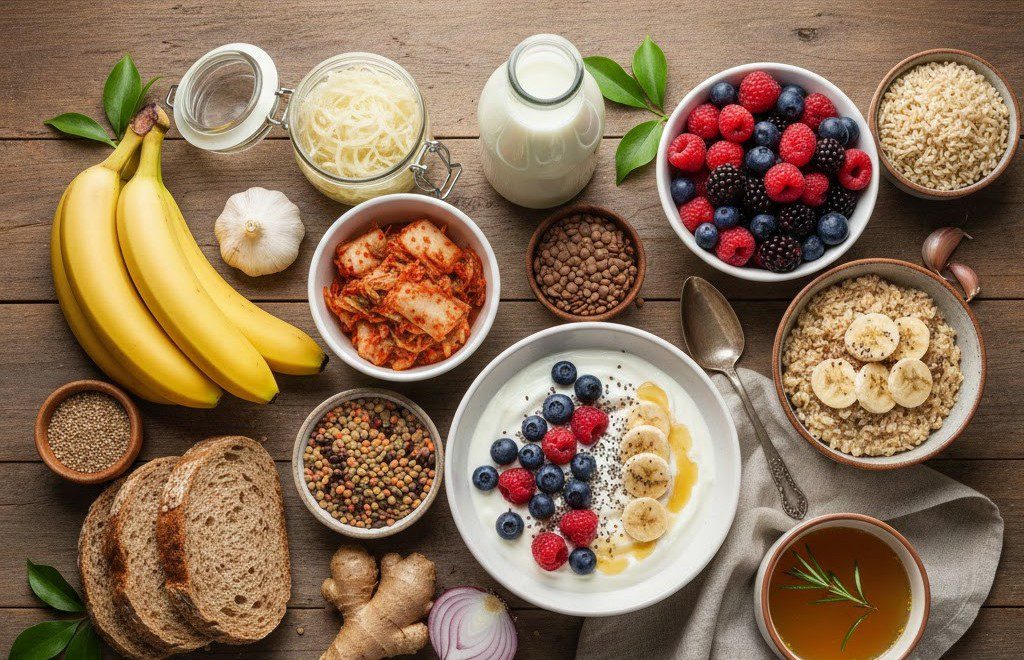
Maintaining a healthy gut is essential not just for digestion, but also for immunity, mood, and overall energy levels. The foods you eat every day play a critical role in shaping your gut microbiome, the community of bacteria that influences how well your digestive system functions. By making mindful choices and incorporating the best everyday foods for a healthy gut, you can support digestive wellness, enhance nutrient absorption, and boost your overall vitality. Simple dietary changes can have a profound effect on both physical health and mental well-being.
Key Takeaways
- Choosing the best everyday foods for a healthy gut supports digestion, immunity, and overall wellness.
- A diet rich in probiotic foods and prebiotic-rich foods helps maintain a balanced gut microbiome.
- Gut-healing and digestive wellness foods reduce inflammation, improve nutrient absorption, and strengthen immunity.
- Regular consumption of microbiome-boosting foods promotes healthy bowel movements, reduced bloating, and stable energy levels.
- Incorporating fiber-rich fruits, vegetables, whole grains, and fermented foods supports long-term digestive balance.
- Maintaining a consistent, gut-friendly diet alongside hydration, stress management, and exercise enhances overall gut function.
- Mindful introduction of new gut-supporting foods ensures maximum benefits while minimizing digestive discomfort.
How Foods Support Your Gut Health
The foods you eat play a vital role in shaping gut health and maintaining a balanced gut microbiome. A nutrient-rich, gut-friendly diet supports digestion, strengthens immunity, reduces inflammation, and promotes overall well-being. Choosing the right everyday foods helps beneficial bacteria thrive, improving digestive comfort and long-term health.
Key roles foods play in supporting gut health include:
Feeds Beneficial Gut Bacteria: Fiber-rich and prebiotic foods nourish healthy gut bacteria, helping maintain a balanced and diverse microbiome.
Improves Digestion: Whole foods support efficient digestion, reduce bloating, and promote regular bowel movements.
Enhances Nutrient Absorption: A healthy gut lining allows better absorption of essential vitamins, minerals, and nutrients from food.
Reduces Inflammation: Gut-friendly foods help lower digestive and systemic inflammation, protecting overall health.
Strengthens Immune Defense: Nutrient-dense foods support immune cells in the gut, helping the body fight infections.
Supports Mood and Energy: By influencing the gut-brain axis and serotonin production, healthy foods help stabilize mood and improve energy levels.
10 Best Everyday Foods for a Healthy Gut
Maintaining a healthy gut starts with what you eat every day. The foods you regularly include in your diet directly shape your gut microbiome, influencing digestion, immunity, inflammation, mood, and energy levels. Choosing gut-friendly foods consistently helps nourish beneficial bacteria, strengthen the gut lining, and support long-term digestive wellness. Below are some of the best everyday foods for a healthy gut and how they support optimal digestive health.
1. Yogurt and Kefir
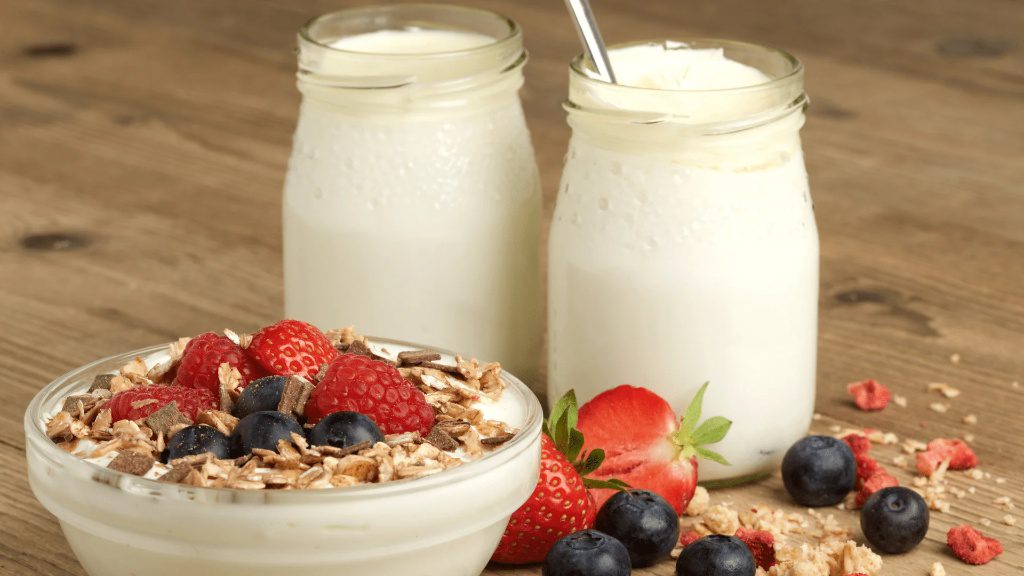
Yogurt and kefir are among the best everyday foods for a healthy gut because they are rich in probiotics, which are live beneficial bacteria that help maintain a balanced gut microbiome. These probiotics support smoother digestion, reduce bloating, and help prevent the overgrowth of harmful bacteria in the digestive tract. Regular consumption also strengthens the gut lining, improves immune response, and supports better nutrient absorption. Because fermentation partially breaks down lactose, yogurt and kefir are often easier to digest than milk, making them suitable even for people with mild lactose sensitivity.
Key benefits:
- Rich in probiotics that help maintain a healthy balance of gut bacteria, preventing digestive imbalances and promoting overall gut resilience.
- Improve digestion and reduce bloating by supporting the breakdown of food and promoting smooth intestinal movement.
- Strengthen the gut lining and enhance immune function, reducing susceptibility to infections and digestive disturbances.
- Easier to digest than regular dairy, providing essential nutrients without causing discomfort in those with mild lactose sensitivity.
2. Fermented Foods
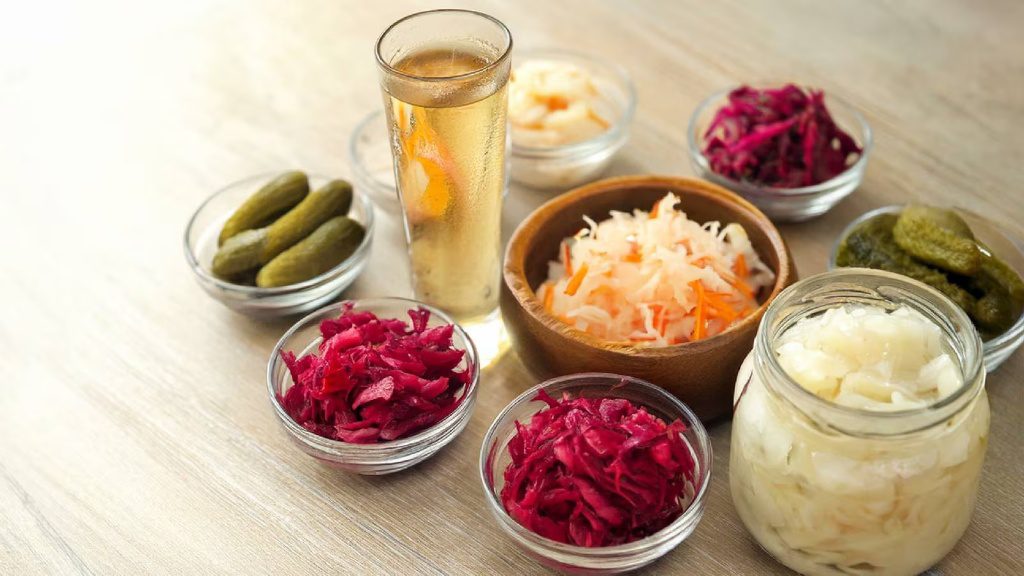
Fermented foods such as kimchi, sauerkraut, miso, tempeh, and pickles naturally contain live cultures that enhance microbial diversity in the gut. A diverse microbiome is linked to better digestion, stronger immunity, and reduced inflammation. These foods support digestive enzyme activity, improve the breakdown of nutrients, and help maintain a healthy gut barrier. When consumed regularly, fermented foods can reduce digestive discomfort, support immune balance, and improve overall gut resilience.
Key benefits:
- Increase beneficial gut bacteria and promote microbial diversity, which is essential for a balanced digestive ecosystem.
- Improve nutrient absorption and digestive enzyme activity, helping your body get the most from your diet.
- Reduce digestive discomfort such as gas, bloating, and irregular bowel movements by supporting smooth gut function.
- Support immune balance and overall gut resilience, which can help the body fight off infections and inflammation.
3. Whole Grains
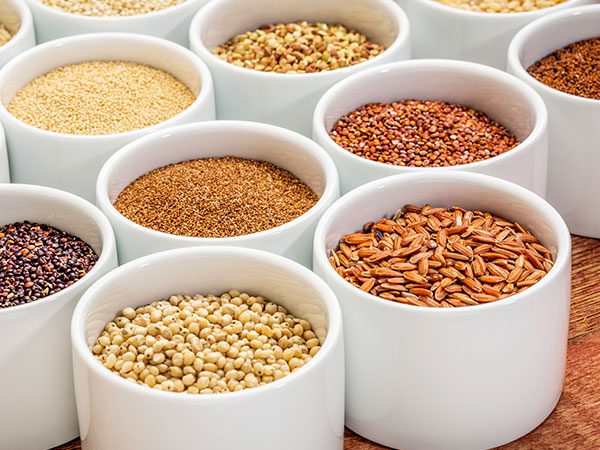
Whole grains like oats, brown rice, quinoa, barley, and whole wheat provide complex carbohydrates and fiber that fuel beneficial gut bacteria. The fiber in whole grains acts as a prebiotic, helping good bacteria thrive and produce short-chain fatty acids that protect the gut lining. These foods support regular bowel movements, reduce constipation, and help stabilize blood sugar levels, which contributes to sustained energy and better metabolic health.
Key benefits:
- Provide fiber that feeds beneficial gut bacteria, improving microbiome health and digestive balance.
- Support regular bowel movements and reduce constipation, ensuring smooth digestive function.
- Help stabilize blood sugar levels and provide sustained energy, which benefits both gut and overall metabolic health.
- Promote the production of short-chain fatty acids, which strengthen the gut lining and reduce inflammation.
4. Fruits
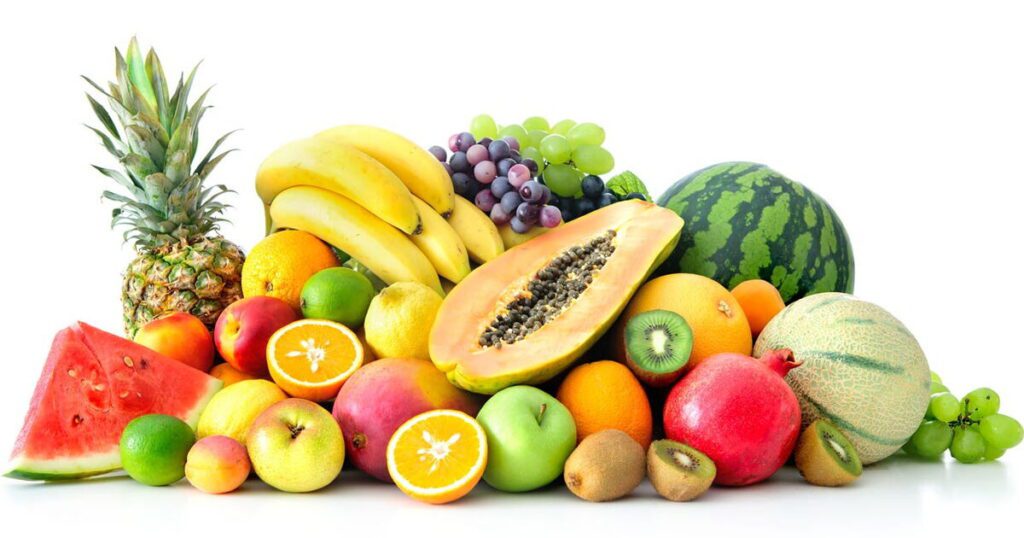
Fruits such as bananas, apples, berries, pears, and citrus fruits supply dietary fiber, natural prebiotics, and antioxidants that support gut health. The fiber promotes smooth digestion and regular bowel movements, while prebiotics nourish beneficial bacteria. Antioxidants help reduce gut inflammation and protect digestive tissues from oxidative stress. Eating a variety of fruits daily encourages a more diverse microbiome, which is essential for long-term digestive wellness.
Key benefits:
- Provide fiber that aids smooth digestion and regular bowel movements, preventing constipation and bloating.
- Contain natural prebiotics that nourish beneficial gut bacteria, promoting a balanced microbiome.
- Supply antioxidants that reduce gut inflammation, protect digestive tissues, and support immune function.
- Encourage microbial diversity by varying types of fruits, enhancing long-term gut resilience and overall wellness.
5. Vegetables
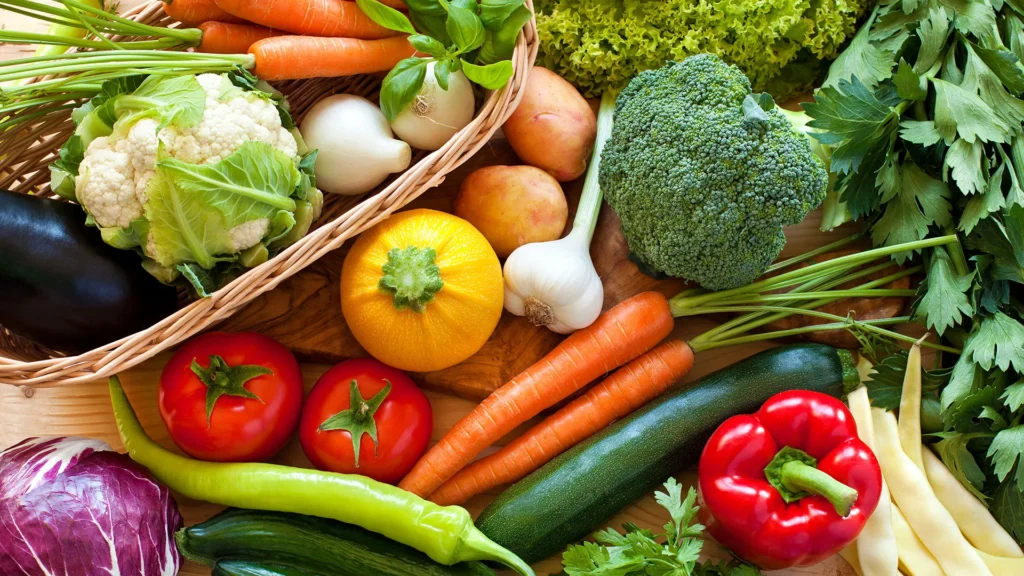
Vegetables including leafy greens, broccoli, carrots, cauliflower, asparagus, and zucchini are essential digestive wellness foods. They are rich in fiber, vitamins, minerals, and plant compounds that strengthen the gut lining and support detoxification processes. Regular vegetable intake improves digestion, supports beneficial bacteria growth, and reduces inflammation. Both raw and lightly cooked vegetables contribute to gut health, with cooking often improving digestibility for sensitive individuals.
Key benefits:
- High in fiber, vitamins, and minerals that improve digestion and promote the growth of healthy gut bacteria.
- Support detoxification processes and reduce gut inflammation, protecting digestive tissues from stress and damage.
- Promote microbial diversity, which is essential for a balanced gut ecosystem and overall wellness.
- Both raw and lightly cooked vegetables improve nutrient availability and digestibility for optimal gut health.
6. Legumes
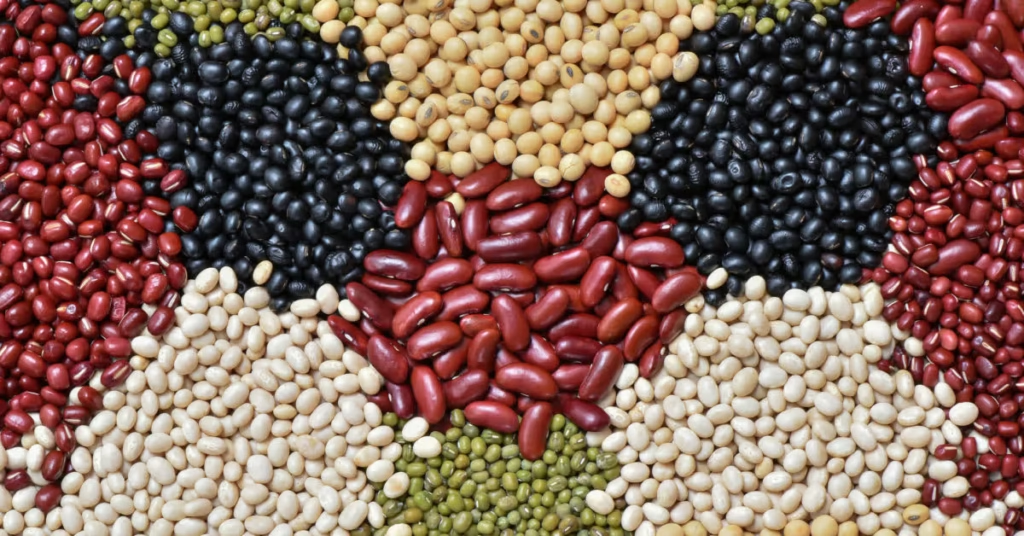
Legumes such as lentils, chickpeas, black beans, and kidney beans are excellent sources of prebiotic fiber and plant-based protein. They feed beneficial gut bacteria, promote microbial diversity, and support consistent bowel movements. When introduced gradually, legumes help improve digestion and reduce blood sugar spikes. Their fiber content also supports satiety and long-term digestive balance, making them a key component of a gut-healing diet.
Key benefits:
- Feed beneficial gut bacteria with prebiotic fiber, supporting microbial growth and gut balance.
- Promote regular bowel movements and reduce constipation by adding bulk and softness to stool.
- Help regulate blood sugar levels by slowing digestion and providing sustained energy.
- Support satiety and digestive stability, making them an important component of a gut-healing diet.
7. Nuts and Seeds
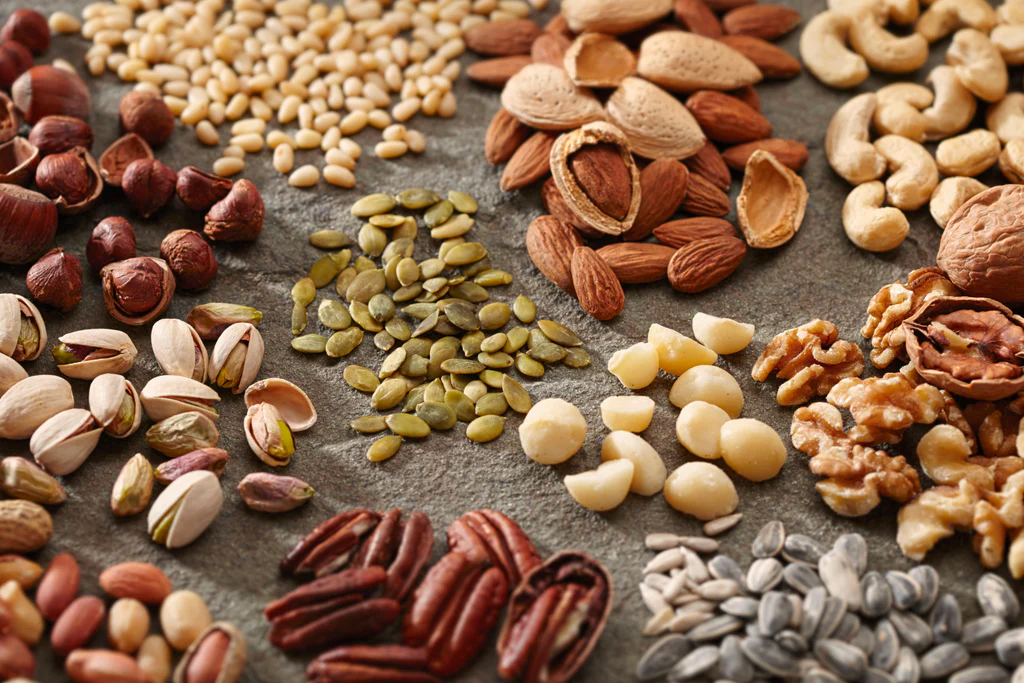
Nuts and seeds like almonds, walnuts, chia seeds, flaxseeds, and pumpkin seeds provide fiber, healthy fats, and anti-inflammatory compounds that support gut function. These nutrients help maintain the integrity of the gut lining, reduce inflammation, and promote the growth of beneficial bacteria. Omega-3 fatty acids found in certain seeds also support immune regulation and digestive comfort, making nuts and seeds valuable microbiome-boosting foods.
Key benefits:
- Support the integrity of the gut lining and reduce inflammation caused by digestive stress.
- Promote the growth of beneficial bacteria through fiber and prebiotic components.
- Provide omega-3 fatty acids and antioxidants that enhance immune regulation and digestive comfort.
- Help maintain energy levels and support metabolic health while aiding smooth digestion.
8. Garlic, Onions, and Leeks
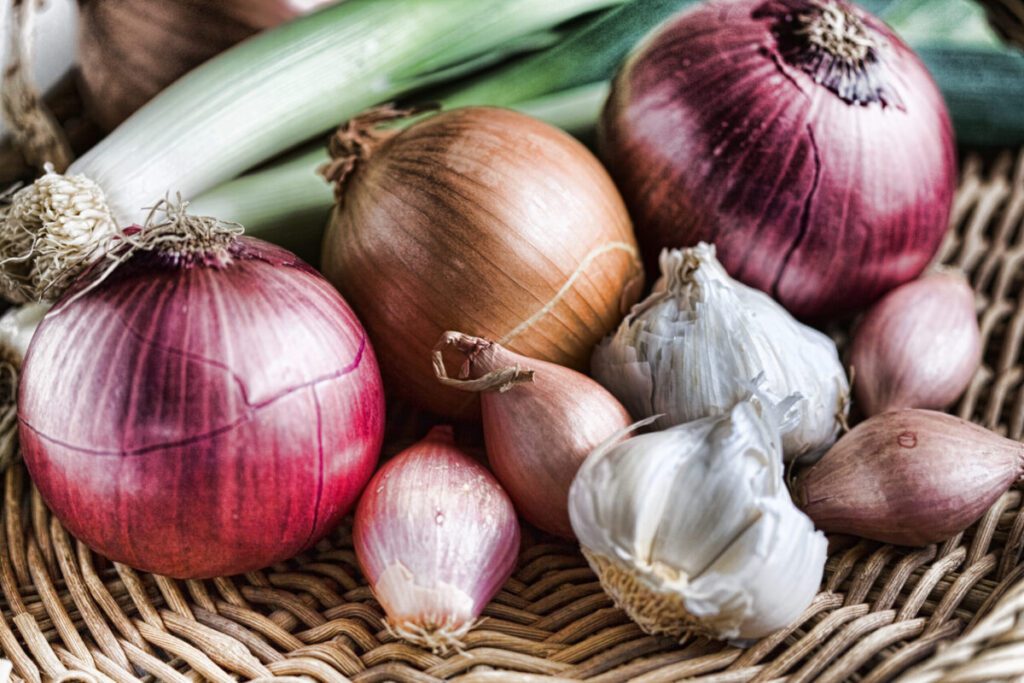
Garlic, onions, and leeks are powerful prebiotic-rich foods that selectively feed beneficial gut bacteria. They help increase microbial diversity, strengthen immune defenses, and reduce harmful bacterial growth. Regular intake supports digestion, reduces inflammation, and improves nutrient absorption. These foods also enhance flavor naturally, making them easy to include daily without relying on processed seasonings.
Key benefits:
- Act as prebiotics to selectively nourish good gut bacteria, supporting a balanced microbiome.
- Strengthen immune defenses and help reduce the growth of harmful bacteria in the gut.
- Improve nutrient absorption and digestive efficiency, reducing bloating and discomfort.
- Enhance flavor naturally, making it easy to incorporate gut-friendly compounds into daily meals.
9. Healthy Fats
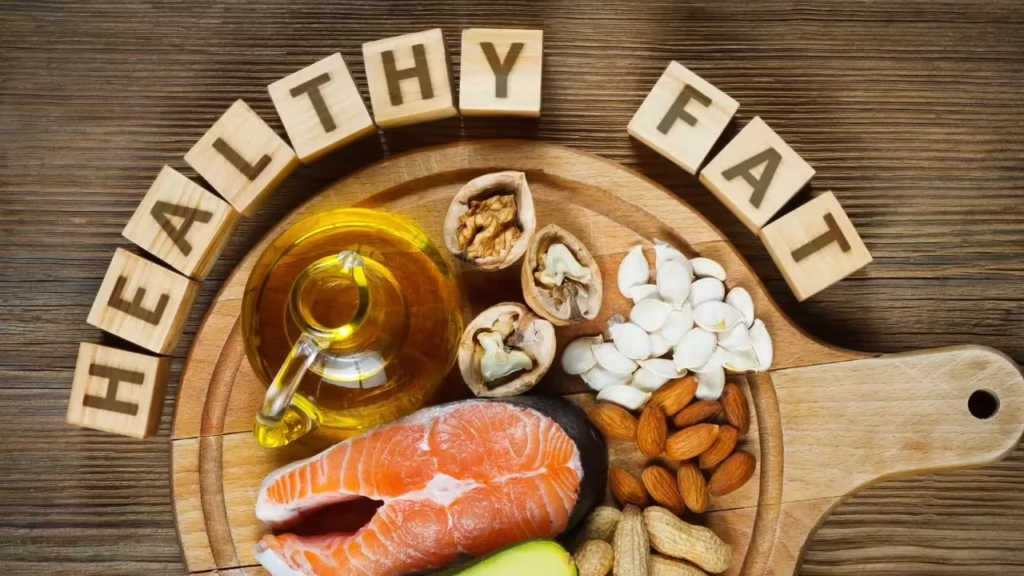
Healthy fats from olive oil, avocados, nuts, and seeds play an important role in gut health by reducing inflammation and supporting nutrient absorption. These fats help protect the gut lining, improve digestive efficiency, and promote satiety. Unlike refined or trans fats, healthy fats support a balanced microbiome and contribute to overall digestive and metabolic wellness when consumed in moderation.
Key benefits:
- Protect the gut lining from irritation and reduce inflammation throughout the digestive tract.
- Improve digestive efficiency by aiding the absorption of fat-soluble vitamins and nutrients.
- Support a balanced gut microbiome, promoting microbial diversity and long-term digestive health.
- Provide satiety and stable energy, supporting metabolism and overall well-being.
10. Water and Herbal Teas

Proper hydration is essential for digestion, bowel regularity, and nutrient transport. Water supports gut motility, helps soften stool, and prevents constipation, while herbal teas such as ginger, peppermint, and chamomile soothe the digestive tract. Adequate hydration also helps fiber work effectively, ensuring that gut-friendly foods provide their full digestive benefits.
Key benefits:
- Support gut motility and prevent constipation, keeping digestion smooth and efficient.
- Enhance fiber effectiveness, ensuring gut-friendly foods work optimally in digestion.
- Soothe digestive discomfort and reduce inflammation with gentle herbal compounds.
- Promote overall hydration, which is critical for nutrient absorption, toxin elimination, and gut health.
Tips to Incorporate These Foods Daily
Eating gut-friendly foods consistently doesn’t have to be complicated. Small, practical changes to your daily routine can make a big difference in supporting a healthy microbiome and improving digestion, immunity, and overall well-being.
- Start Your Day with Probiotics: Add yogurt or kefir to breakfast bowls, smoothies, or oatmeal to kickstart your gut health in the morning.
- Include Fermented Foods at Meals: Add a small serving of kimchi, sauerkraut, miso, or pickles as a side dish to lunch or dinner to increase microbial diversity.
- Choose Whole Grains: Replace refined grains with oats, quinoa, barley, or brown rice in meals to provide prebiotic fiber that nourishes beneficial bacteria.
- Snack on Nuts and Seeds: Keep almonds, walnuts, chia seeds, or flaxseeds handy for mid-morning or afternoon snacks to support digestion and provide healthy fats.
- Eat a Variety of Fruits and Vegetables: Include colorful fruits and vegetables at every meal to supply fiber, antioxidants, and prebiotics that boost gut health.
- Cook with Prebiotic-Rich Ingredients: Use garlic, onions, leeks, and asparagus in cooking to naturally feed your gut bacteria.
- Add Healthy Fats: Incorporate olive oil, avocado, or nut butters into salads, smoothies, or meals to support nutrient absorption and reduce inflammation.
- Stay Hydrated: Drink water throughout the day and include herbal teas like ginger, peppermint, or chamomile to aid digestion and prevent constipation.
- Pair Foods Wisely: Combine prebiotic-rich foods (like bananas, oats, or legumes) with probiotic foods (like yogurt or fermented vegetables) to maximize gut benefits.
- Introduce New Foods Gradually: Add new gut-supporting foods slowly to avoid digestive discomfort and give your microbiome time to adapt.
Foods to Avoid for a Healthy Gut
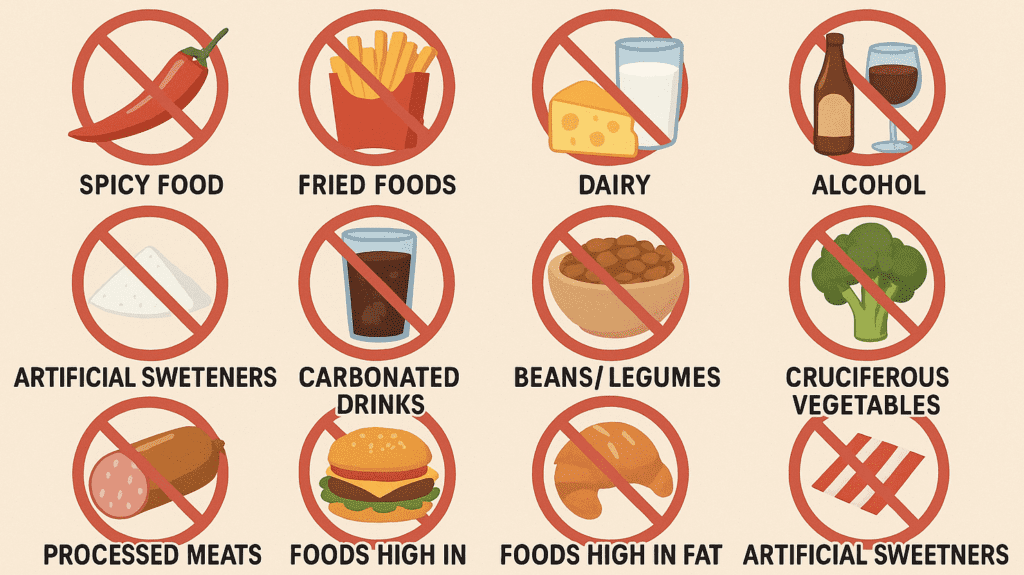
Certain foods can disrupt gut health, reduce beneficial bacteria, and increase inflammation, digestive discomfort, or bloating. Limiting these foods helps maintain a balanced microbiome and supports long-term digestive wellness.
- Highly Processed Foods: Packaged snacks, ready-to-eat meals, and instant foods often contain additives, preservatives, and refined sugars that can harm beneficial gut bacteria and promote inflammation.
- Refined Sugars and Artificial Sweeteners: Excess sugar feeds harmful bacteria and yeast, disrupting microbial balance. Artificial sweeteners may negatively affect gut bacteria and glucose metabolism.
- Fried and Fatty Foods: Deep-fried items and foods high in trans fats can cause gut inflammation, slow digestion, and negatively impact microbiome diversity.
- Red and Processed Meats: High intake of red meat and processed meats (like sausages and bacon) may reduce microbial diversity and encourage inflammatory gut bacteria.
- Excessive Dairy (for Sensitive Individuals): While fermented dairy can be beneficial, high amounts of milk or cheese may cause bloating or discomfort in people with lactose sensitivity.
- Alcohol: Excessive alcohol consumption disrupts the gut lining, reduces beneficial bacteria, and increases inflammation, leading to digestive issues.
- Highly Salty Foods: Foods with high salt content can negatively affect gut bacteria balance and may contribute to inflammation and high blood pressure.
- Artificial Additives and Emulsifiers: Ingredients like carrageenan, polysorbates, and stabilizers may disturb gut microbiota and increase inflammation.
Conclusion
Maintaining a healthy gut is key for digestion, immunity, mood, and energy. Daily consumption of probiotics, fermented foods, whole grains, fruits, vegetables, legumes, nuts, seeds, healthy fats, and adequate hydration nourishes beneficial bacteria, improves digestion, reduces inflammation, and supports overall well-being. Consistently including a variety of fiber-rich and prebiotic foods helps strengthen the gut lining and promotes long-term digestive balance. Pairing these foods wisely and introducing new gut supporting foods gradually ensures maximum benefits while minimizing digestive discomfort. Avoiding processed foods, excess sugar, fried foods, red and processed meats, alcohol, high-salt foods, and artificial additives helps protect the gut microbiome and prevent digestive discomfort.
FAQs
Why is gut health important?
Gut health is essential for digestion, immunity, mood, energy, and overall well-being. A balanced gut microbiome improves nutrient absorption, reduces inflammation, and supports long-term physical and mental health.
What are probiotics and why are they beneficial?
Probiotics are live beneficial bacteria found in foods like yogurt, kefir, and fermented foods. They help maintain a balanced gut microbiome, improve digestion, reduce bloating, and support immune function.
Which foods are considered gut-friendly?
Gut-friendly foods include yogurt, kefir, fermented foods, whole grains, fruits, vegetables, legumes, nuts, seeds, healthy fats, and plenty of water. These foods nourish beneficial bacteria and support digestive and overall health.
How do fermented foods help the gut?
Fermented foods such as kimchi, sauerkraut, miso, and pickles introduce live cultures that increase gut microbial diversity. They enhance digestion, reduce inflammation, strengthen immunity, and promote long-term gut resilience.
Why are fiber-rich foods important for gut health?
Fiber-rich foods act as prebiotics, feeding good gut bacteria, supporting a healthy gut lining, and promoting regular bowel movements. They help reduce inflammation, improve nutrient absorption, and maintain overall digestive balance.
Can unhealthy foods affect gut health?
Yes, highly processed foods, refined sugars, fried foods, red and processed meats, excessive dairy, alcohol, and artificial additives can disrupt gut microbiota, increase inflammation, and cause digestive discomfort or bloating.
How do nuts, seeds, and healthy fats support digestion?
Nuts, seeds, olive oil, and avocados provide fiber, healthy fats, and anti-inflammatory compounds. They strengthen the gut lining, nourish beneficial bacteria, improve nutrient absorption, and support smooth digestion and metabolic health.
Are fruits and vegetables important for the gut?
Absolutely. Fruits and vegetables supply fiber, antioxidants, and prebiotics that nourish good bacteria, reduce inflammation, enhance digestion, and promote a diverse gut microbiome, which is essential for long-term digestive wellness.
How can hydration and herbal teas improve gut health?
Water supports bowel regularity, softens stool, and aids nutrient transport, while herbal teas like ginger, peppermint, and chamomile soothe the digestive tract, reduce inflammation, and help maintain smooth, efficient digestion.
How can I introduce new gut-friendly foods safely?
Introduce new foods gradually to allow your gut microbiome to adjust. Pair prebiotic and probiotic foods, monitor your tolerance, and increase variety over time to maximize gut benefits while minimizing discomfort.
References
- Athavale, M. (2025, October 7). 10 Best Foods For A Healthy Gut System. PharmEasy. Retrieved December 22, 2025, from https://pharmeasy.in/blog/10-best-foods-for-a-healthy-gut-system/
- Best Foods for Gut Health: Building a Healthy Microbiome. (2024, December 18). Narayana Health. Retrieved December 22, 2025, from https://www.narayanahealth.org/blog/best-foods-for-gut-health-building-a-healthy-microbiome
- 5 Foods to Improve Your Digestion. (n.d.). Johns Hopkins Medicine. Retrieved December 22, 2025, from https://www.hopkinsmedicine.org/health/wellness-and-prevention/5-foods-to-improve-your-digestion
- Gut Health Food – 15 Foods For Gut Good Health. (n.d.). Benenden Health. Retrieved December 22, 2025, from https://www.benenden.co.uk/be-healthy/nutrition/gut-food-15-foods-for-good-gut-health/
- 10 Foods for Better Gut Health. (n.d.). Apollo Diagnostics. Retrieved December 22, 2025, from https://apollodiagnostics.in/blogs/10-foods-for-better-gut-health
- Top foods for gut health: a nutritionist’s guide. (2025, March 21). SFI Health. Retrieved December 22, 2025, from https://sfihealth.com/news/top-foods-for-gut-health-a-nutritionists-guide

Dr. Emily Zhang, MD, is a gastroenterologist and integrative medicine specialist with 10 years of clinical experience in digestive health and microbiome science. She completed her medical degree at University of Chicago Pritzker School of Medicine and fellowship at Massachusetts General Hospital. Dr. Zhang specializes in gut-brain interactions, microbiota diversity, and nutrition-driven gut repair. She has contributed to NIH-funded studies on probiotics and authored patient education resources on functional gut disorders.