
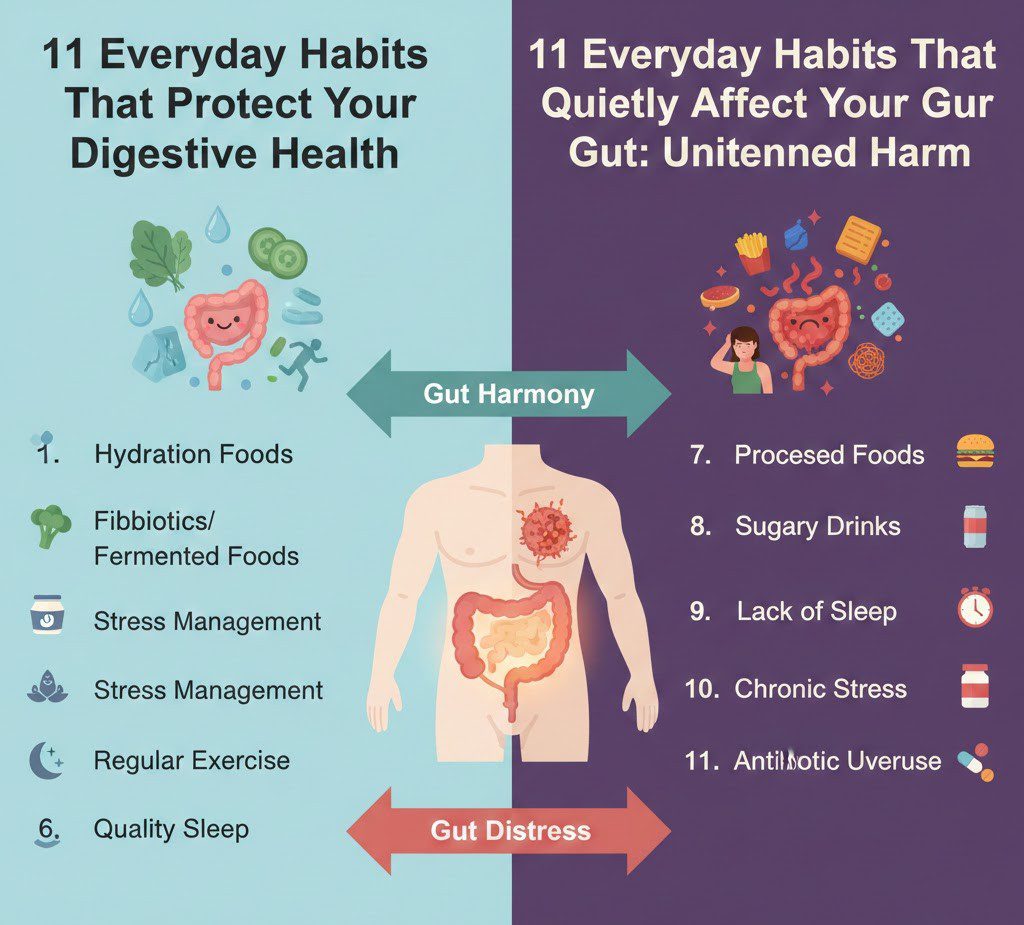
Gut health is essential for overall wellness, yet many people overlook how daily routines influence their digestive system. Everyday habits that quietly affect your gut can disrupt the delicate balance of your gut microbiome, impair nutrient absorption, and weaken immunity. From subtle lifestyle choices to common dietary patterns, these hidden behaviors may lead to bloating, digestive discomfort, or long-term health issues. By understanding which habits quietly harm your gut and adopting gut-friendly daily practices, individuals can support digestion, enhance metabolic balance, strengthen immunity, and improve overall well-being.
Key Takeaways
- Everyday habits that quietly affect your gut can disrupt digestion, nutrient absorption, immunity, and overall wellness.
- Hidden routines such as poor diet, stress, lack of sleep, and inactivity are common microbiome disruptors.
- Adopting gut-friendly daily practices like hydration, exercise, and mindful eating helps maintain digestive balance.
- Monitoring lifestyle factors for gut wellness and making small changes can reduce inflammation, improve digestion, and strengthen immunity.
- Consistently managing stress and prioritizing quality sleep supports a healthy gut microbiome and overall mental well-being.
- Limiting alcohol, processed foods, and unnecessary antibiotics protects gut bacteria and maintains long-term digestive health.
Understanding Your Gut Microbiome
The gut microbiome is a complex ecosystem of trillions of microorganisms including bacteria, viruses, and fungi that live in your digestive tract. These tiny organisms are crucial for maintaining digestive health, regulating the immune system, and even influencing mental well-being. Everyday habits that quietly affect your gut, such as poor dietary choices, chronic stress, irregular sleep, or lack of exercise, can disrupt this delicate balance, leading to digestive discomfort, inflammation, and weakened immunity. Maintaining a healthy gut microbiome is therefore essential for overall wellness.
A balanced gut microbiome works synergistically to:
- Support digestion by breaking down food efficiently and helping the body absorb essential nutrients.
- Strengthen immunity by protecting against harmful bacteria and reducing the risk of infections.
- Regulate inflammation by helping control inflammation in the gut and throughout the body.
- Promote mental health by communicating with the brain through the gut-brain axis, influencing mood, stress, and cognitive function.
- Maintain metabolic balance by aiding in energy regulation, fat storage, and nutrient metabolism.
11 Everyday Habits That Quietly Affect Your Gut Health
Maintaining gut health is essential for overall wellness, yet many people overlook how subtle daily habits can influence digestion, immunity, and overall well-being. Everyday habits that quietly affect your gut can disrupt the balance of the gut microbiome, impair nutrient absorption, increase inflammation, and weaken immunity. By recognizing these hidden influences and making small, consistent adjustments, you can restore gut balance, support digestive function, and promote long-term health.
1. Skipping Meals or Eating Irregularly

Skipping meals or having irregular eating patterns can disturb the natural digestive rhythm, causing the gut to overproduce stomach acid and impair nutrient absorption. This can lead to bloating, heartburn, and discomfort. Inconsistent eating also affects the gut microbiome, as beneficial bacteria rely on a steady supply of nutrients to thrive. Over time, irregular meal timing may impact metabolism, insulin sensitivity, and overall energy levels, making it harder to maintain a balanced digestive system.
Tips for a gut-friendly routine:
- Eat meals at consistent intervals to maintain digestive function.
- Include balanced portions of protein, fiber, and healthy fats in every meal.
- Avoid long gaps between meals to prevent excess stomach acid and bloating.
2. Consuming Too Much Processed Food
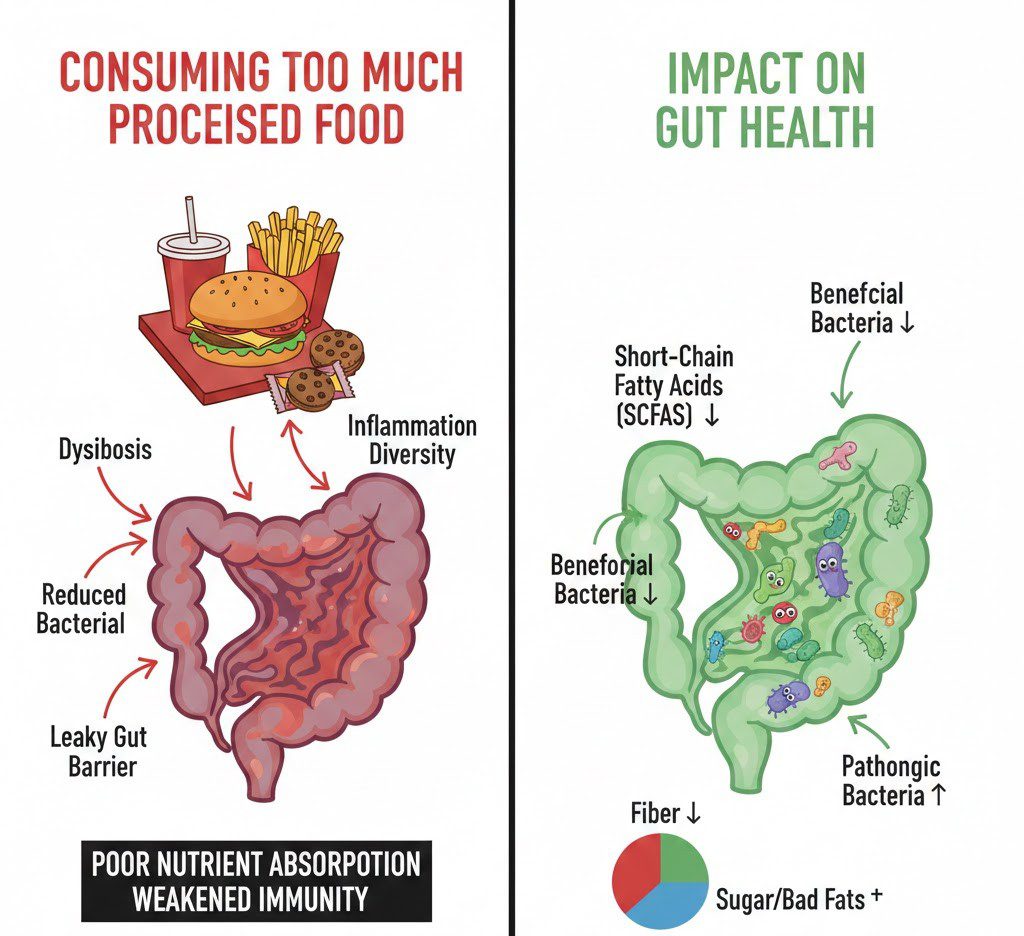
Highly processed foods containing sugar, refined carbohydrates, and preservatives feed harmful bacteria while reducing beneficial bacterial diversity. This imbalance in gut flora can lead to inflammation, digestive disturbances, and weakened immunity. Processed foods are often low in fiber, which is essential for feeding healthy gut bacteria. Over time, overconsumption of these foods can increase the risk of chronic diseases and metabolic dysfunction.
Gut-friendly alternatives:
- Prioritize whole foods such as vegetables, fruits, legumes, and whole grains.
- Incorporate fermented foods like yogurt, kefir, sauerkraut, and kimchi to replenish beneficial bacteria.
- Read labels carefully to avoid hidden sugars, additives, and preservatives.
3. Chronic Stress
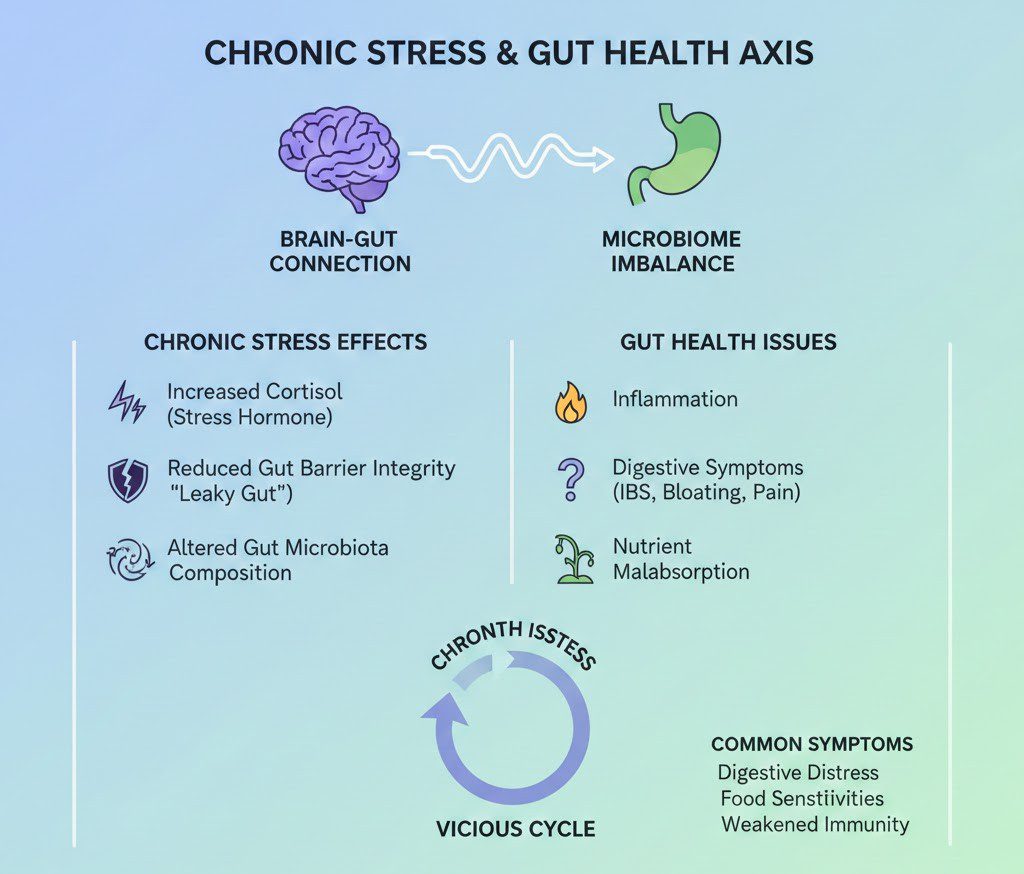
Chronic stress affects the gut-brain axis, the communication pathway between the brain and digestive system. High stress levels can alter gut bacteria composition, slow digestion, and increase inflammation in the gastrointestinal tract. This can cause bloating, diarrhea, constipation, and abdominal discomfort. Emotional health is closely linked to gut balance, so managing stress is critical not only for mental well-being but also for maintaining a healthy microbiome.
Ways to reduce stress for gut health:
- Practice meditation, yoga, or deep breathing exercises.
- Take regular breaks during work or daily tasks.
- Prioritize mental and emotional well-being to support gut balance.
4. Lack of Sleep

Poor or inconsistent sleep can reduce gut bacterial diversity, increase inflammation, and negatively affect digestion. Sleep deprivation disrupts the balance of hormones that regulate appetite and metabolism, which can further harm the gut microbiome. Long-term sleep deprivation has been linked to weight gain, insulin resistance, and digestive disorders. Ensuring consistent, restorative sleep supports a healthy gut, strengthens immunity, and improves energy levels throughout the day.
Tips for gut-friendly sleep:
- Maintain a consistent sleep schedule of 7–9 hours per night.
- Avoid heavy meals, caffeine, and screens before bed.
- Create a relaxing bedtime routine to support gut hormone balance.
5. Sedentary Lifestyle
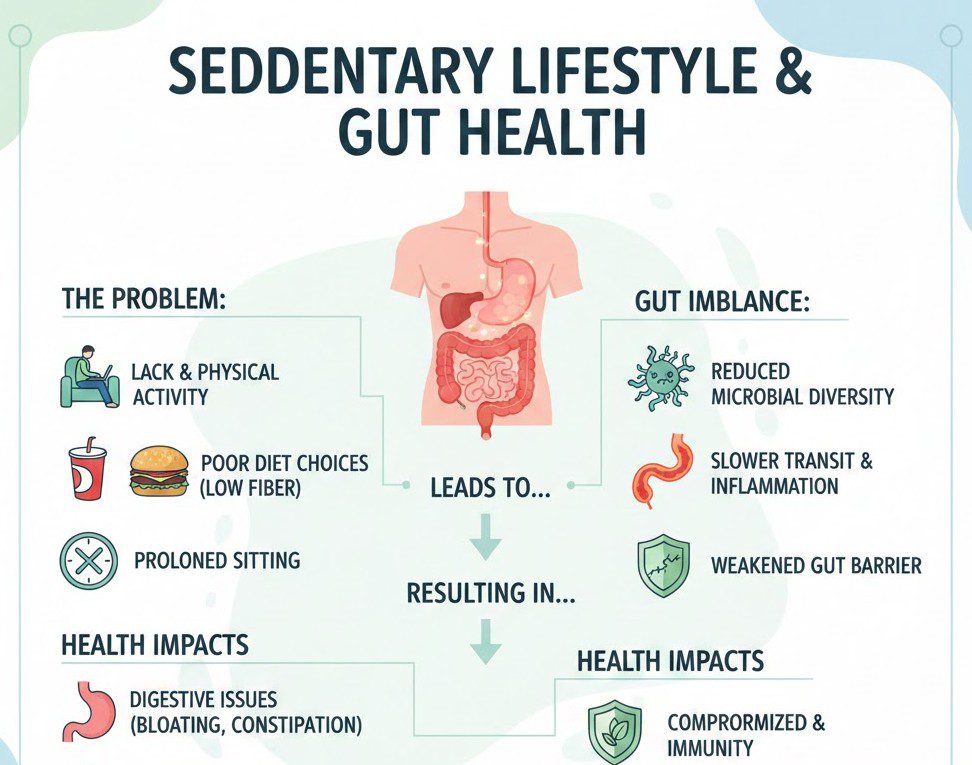
A lack of physical activity slows gut motility, reducing the efficiency of digestion and the diversity of beneficial gut bacteria. Sedentary behavior is associated with constipation, bloating, and poor nutrient absorption. Exercise helps stimulate bowel movements, enhances blood flow to the digestive organs, and promotes a balanced microbiome. Incorporating regular movement into your daily routine can improve digestive function and protect overall gut health.
Daily activity for gut health:
- Walk, stretch, practice yoga, or perform resistance exercises daily.
- Take short breaks during long periods of sitting.
- Stay active throughout the day, not only during structured workouts.
6. Overuse of Antibiotics
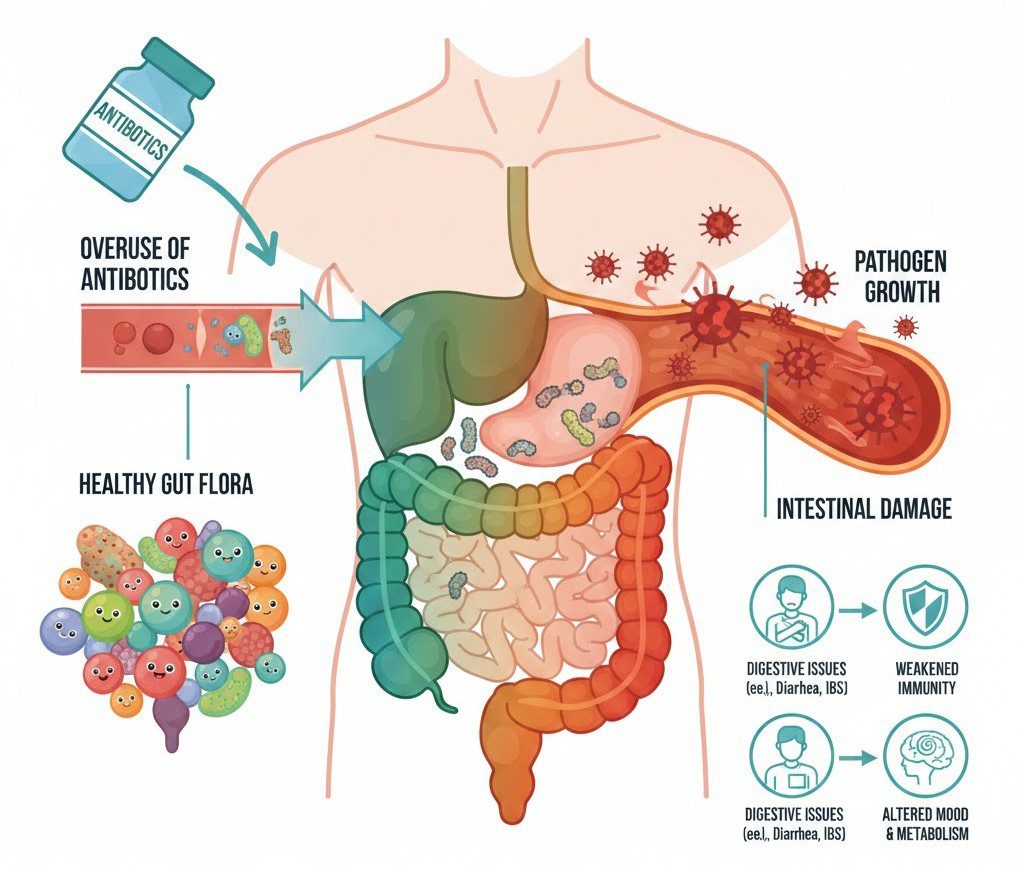
While antibiotics can be lifesaving, overuse or improper use destroys both harmful and beneficial bacteria in the gut. This disruption can weaken immunity, impair digestion, and increase susceptibility to inflammation and infection. Recovery of gut health after antibiotics is possible, but it requires intentional support through diet and lifestyle.
Protect your microbiome:
- Use antibiotics only when prescribed by a healthcare professional.
- Include probiotic-rich foods like yogurt, kefir, or fermented vegetables after antibiotic use.
- Feed healthy bacteria with prebiotic foods such as garlic, onions, and oats.
7. Excessive Alcohol Consumption
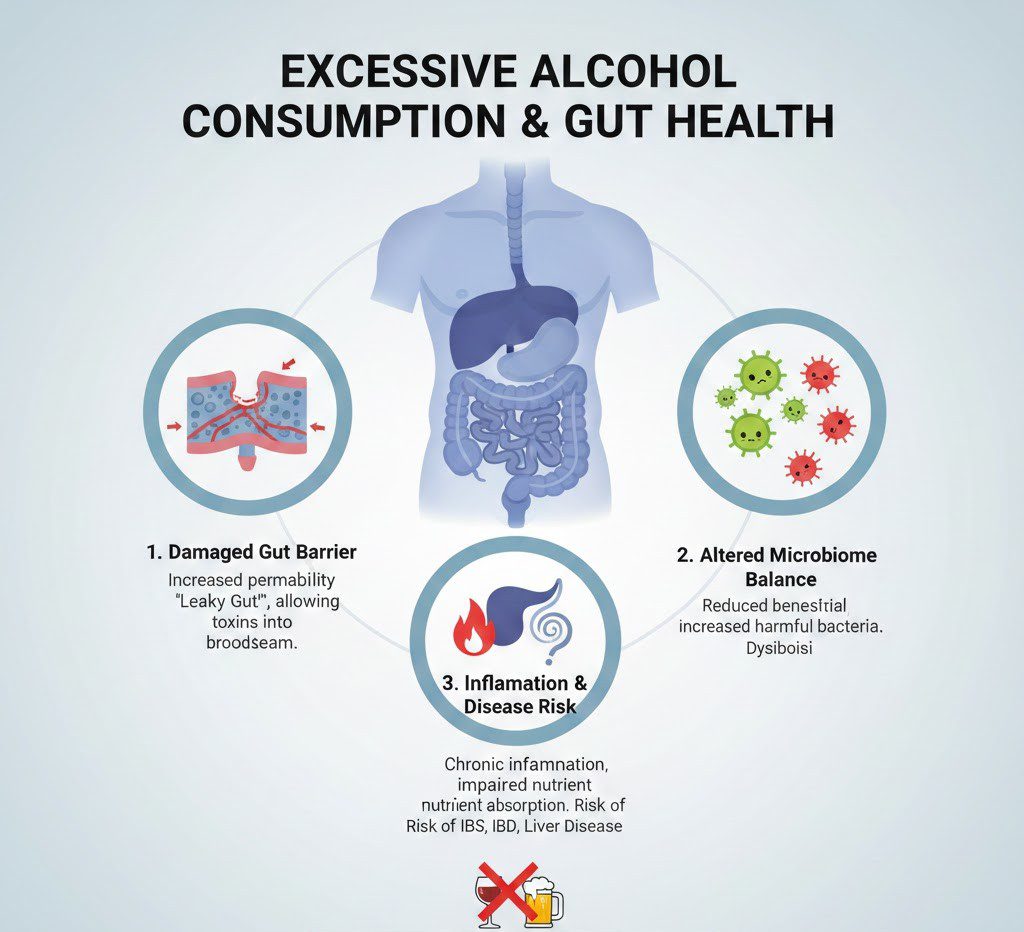
Alcohol irritates the gut lining, weakens beneficial bacteria, and increases intestinal permeability, allowing toxins to enter the bloodstream. Over time, excessive drinking can cause inflammation, digestive discomfort, and microbial imbalance. Limiting alcohol intake and pairing moderate consumption with gut-friendly habits helps preserve microbial diversity and digestive health.
Gut-friendly alcohol habits:
- Limit alcohol to reduce inflammation and protect gut bacteria.
- Stay hydrated with water or herbal teas.
- Pair moderate alcohol consumption with a balanced, gut-friendly diet.
8. Poor Hydration
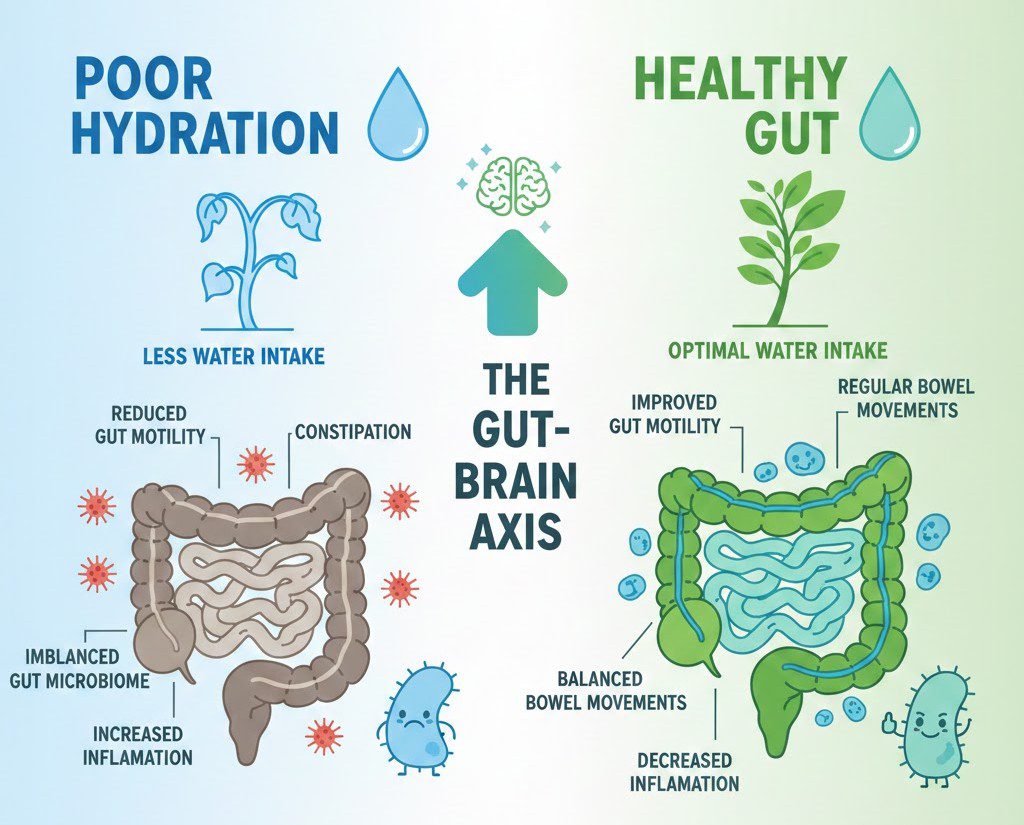
Insufficient water intake slows digestion, reduces bowel motility, and impairs nutrient absorption. Dehydration can worsen constipation and discomfort, making digestion less efficient and affecting microbial balance. Staying hydrated ensures smooth digestion, optimal nutrient uptake, and a thriving gut microbiome.
Hydration tips for gut health:
- Drink water consistently throughout the day.
- Include herbal teas and water-rich foods like fruits and vegetables.
- Limit sugary and caffeinated beverages that can dehydrate the body.
9. Mindless Eating Habits
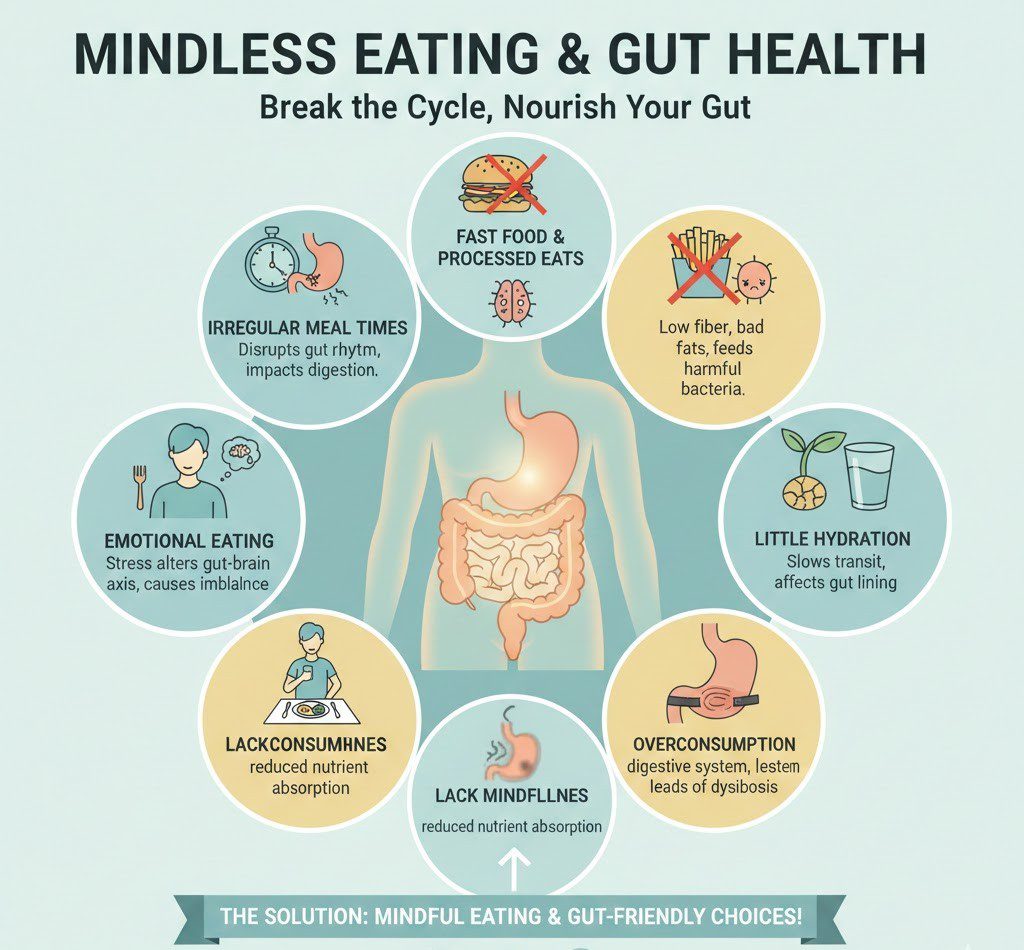
Eating too quickly, overeating, or ignoring hunger signals can stress the digestive system and negatively affect gut bacteria. Rapid eating reduces nutrient absorption, causes bloating, and may disrupt the gut microbiome over time. Mindful eating encourages better digestion, nutrient uptake, and overall gut health.
Mindful eating practices:
- Eat slowly and chew food thoroughly.
- Pay attention to your body’s fullness signals.
- Avoid distractions during meals, like phones or TV, to improve digestion.
10. Excess Sugar and Artificial Sweeteners
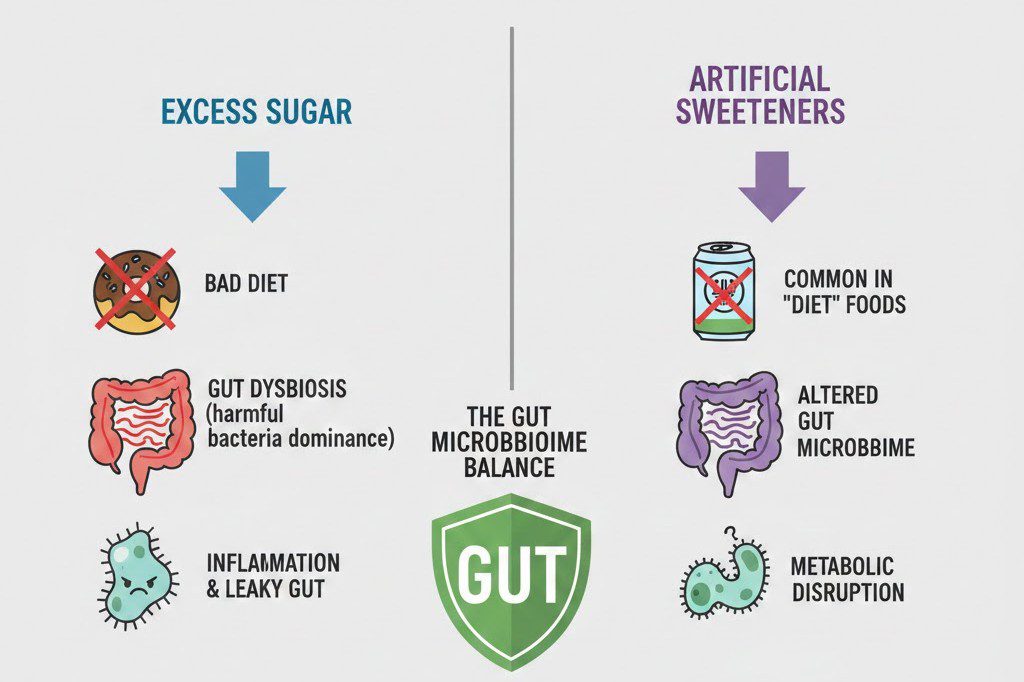
High sugar intake and artificial sweeteners can feed harmful gut bacteria while reducing the diversity of beneficial microbes. This imbalance may lead to inflammation, digestive discomfort, and weakened immunity over time. Sugar and sweeteners can also disrupt the production of short-chain fatty acids, which are crucial for maintaining a healthy gut lining and controlling inflammation. Limiting sugar intake and choosing natural alternatives helps protect gut health and supports a balanced microbiome.
Tips to reduce sugar impact:
- Limit added sugars and processed snacks.
- Choose natural sweeteners like honey or maple syrup in moderation.
- Pair sweet foods with fiber or protein to slow glucose absorption and reduce stress on the gut.
11. Ignoring Food Sensitivities

Consuming foods that trigger intolerance or allergies can lead to chronic inflammation, digestive issues, and microbiome imbalance. Common culprits include lactose, gluten, or other allergens. Ignoring symptoms can worsen gut inflammation and compromise nutrient absorption, which may also affect energy, immunity, and overall wellness. Identifying and managing food sensitivities supports digestive comfort and helps maintain a healthy gut environment.
Managing food sensitivities:
- Keep a food diary to track digestive reactions.
- Introduce new foods gradually to identify triggers.
- Seek professional guidance for persistent symptoms to protect gut health and overall digestion.
Everyday Habits That Support Gut Health
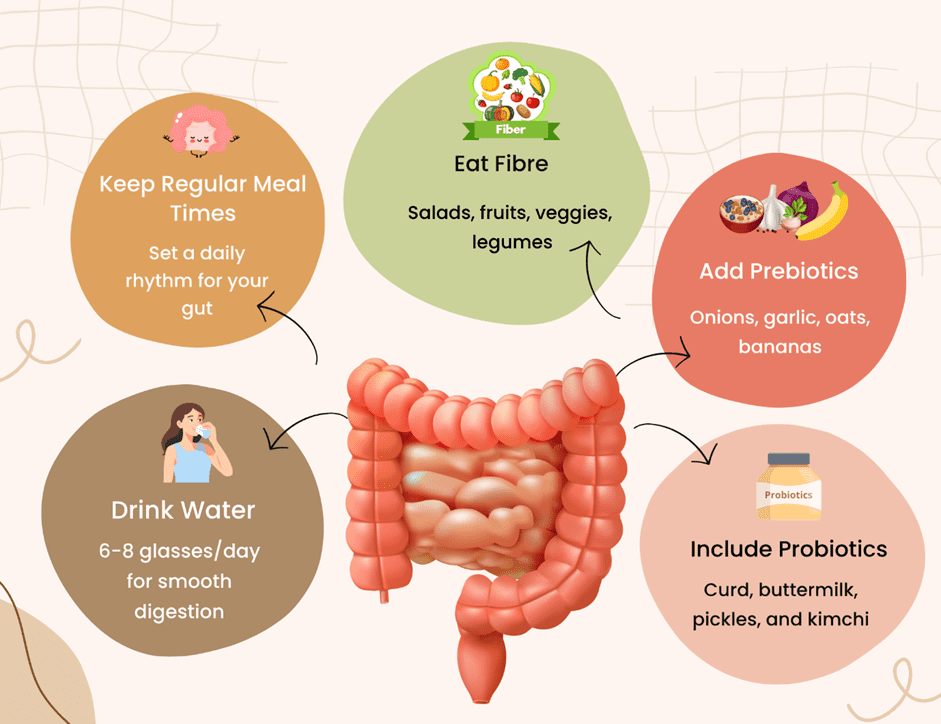
Maintaining gut health goes beyond taking supplements; daily habits play a crucial role in keeping your digestive system balanced, reducing inflammation, and supporting immunity. Small, consistent actions can strengthen the gut microbiome, enhance nutrient absorption, and improve overall well-being. Incorporating gut-friendly routines into your everyday life ensures long-term digestive balance and overall health. Key everyday habits that support gut health include:
- Eating a Balanced Diet: Include fiber-rich fruits, vegetables, whole grains, and legumes to feed beneficial gut bacteria and support digestion.
- Consuming Probiotics and Fermented Foods: Yogurt, kefir, kimchi, sauerkraut, and miso help replenish good bacteria and maintain microbial diversity.
- Staying Hydrated: Drinking enough water supports digestion, nutrient absorption, and bowel regularity.
- Regular Physical Activity: Exercise stimulates gut motility, supports beneficial bacteria, and improves metabolic health.
- Managing Stress: Meditation, yoga, deep breathing, and mindfulness reduce cortisol levels and protect gut balance.
- Prioritizing Quality Sleep: Consistent, restorative sleep promotes healthy gut bacteria and regulates digestive hormones.
- Mindful Eating: Eating slowly, chewing thoroughly, and listening to hunger cues enhances digestion and nutrient absorption.
- Limiting Alcohol and Processed Foods: Reducing intake protects the gut lining, prevents inflammation, and supports a diverse microbiome.
- Introducing Prebiotics: Foods like garlic, onions, leeks, bananas, and oats feed beneficial bacteria and improve gut health.
- Monitoring Food Sensitivities: Identifying and avoiding trigger foods reduces inflammation and supports digestive comfort.
Signs Your Gut Needs Attention
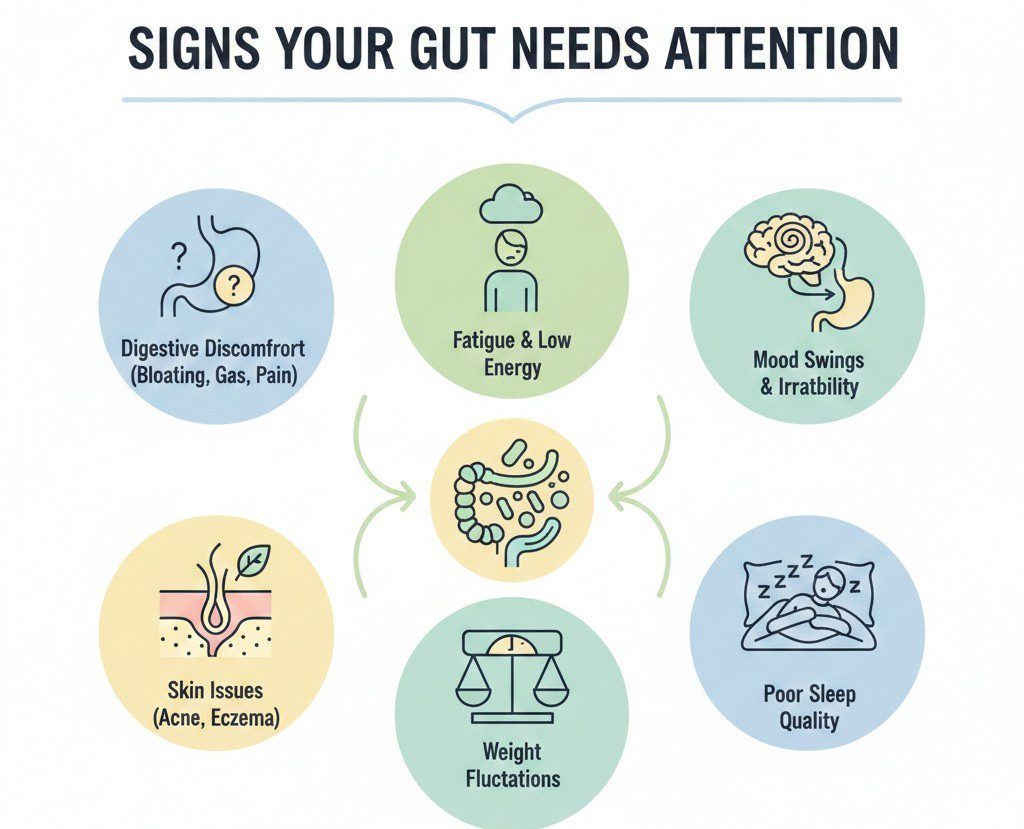
Your gut often signals when it’s out of balance. Paying attention to these signs can help you take action early and prevent long-term health issues. Common indicators that your gut needs care include:
- Digestive Discomfort: Frequent bloating, gas, constipation, diarrhea, or heartburn.
- Food Intolerances or Sensitivities: Difficulty digesting certain foods, causing stomach pain or bloating.
- Fatigue or Low Energy: Poor nutrient absorption can lead to chronic tiredness.
- Skin Problems: Acne, eczema, or rashes may indicate gut inflammation.
- Mood Changes: Anxiety, depression, or brain fog can be linked to gut imbalances through the gut-brain axis.
- Frequent Illness: Weakened immunity may result from a disrupted gut microbiome.
Long-Term Benefits of Gut-Friendly Habits
Adopting consistent gut-friendly habits supports not just digestion but overall health and well-being. A balanced gut microbiome influences immunity, mental health, metabolism, and energy levels. Over time, these habits reduce the risk of chronic diseases, improve nutrient absorption, and enhance quality of life. Key benefits include:
- Improved Digestion: Reduces bloating, gas, and discomfort while promoting smooth bowel movements.
- Stronger Immunity: Enhances immune function and reduces susceptibility to infections.
- Better Nutrient Absorption: Ensures efficient uptake of essential vitamins and minerals.
- Reduced Inflammation: Lowers the risk of chronic inflammation and related health conditions.
- Enhanced Mental Well-Being: Supports stable mood, reduced stress, and improved focus.
- Healthy Weight Management: Helps regulate metabolism and maintain a balanced weight.
- Increased Energy and Vitality: Provides steady energy levels and supports overall vitality.
When to Seek Advice for Gut Health
While occasional digestive discomfort is common, persistent or severe symptoms may indicate underlying gut issues that require professional attention. Knowing when to seek advice can help prevent complications and support long-term wellness.
- Seek advice for frequent bloating, gas, constipation, or diarrhea that disrupts daily life.
- Consult a doctor for unexplained weight changes, either loss or gain.
- Persistent fatigue despite good sleep and a balanced diet warrants evaluation.
- Recurrent food sensitivities or intolerances should be assessed by a healthcare professional.
- Frequent infections may signal an imbalanced gut microbiome affecting immunity.
- Ongoing mood changes, anxiety, or brain fog could be linked to gut health issues.
- Blood in stool or severe abdominal pain requires immediate medical attention.
Conclusion
Gut health is vital for overall wellness, but daily habits like skipping meals, eating processed foods, stress, poor sleep, inactivity, alcohol, dehydration, and ignoring food sensitivities can disrupt the gut microbiome and weaken immunity. Supporting gut health with a balanced diet, probiotics, hydration, exercise, stress management, quality sleep, and mindful eating can improve digestion, reduce inflammation, and boost overall well-being. Making small, consistent changes in daily routines can have lasting benefits for your gut and overall health. Seek professional advice if symptoms like bloating, fatigue, mood changes, or digestive issues persist or worsen.
FAQs
What are the common habits that harm gut health?
Skipping meals, eating processed foods, chronic stress, lack of sleep, inactivity, excessive alcohol, dehydration, excess sugar, and ignoring food sensitivities are key habits that negatively affect the gut microbiome.
How does skipping meals affect the gut?
Irregular eating disrupts digestive rhythm, can lead to bloating, heartburn, and impairs nutrient absorption, while also disturbing the balance of gut bacteria.
Why are processed foods bad for gut health?
Processed foods with added sugars, refined carbs, and preservatives feed harmful bacteria, reduce microbial diversity, and increase inflammation in the gut.
How does stress impact digestion?
Chronic stress affects the gut-brain axis, slowing digestion, altering gut bacteria composition, and increasing inflammation, which may lead to bloating, constipation, or diarrhea.
Can lack of sleep harm the gut?
Yes, poor or inconsistent sleep reduces beneficial bacteria, increases inflammation, disrupts hormones, and negatively affects digestion and metabolism.
What lifestyle changes can improve gut health?
Eating balanced meals, consuming probiotics, staying hydrated, exercising regularly, managing stress, sleeping well, practicing mindful eating, and limiting alcohol or processed foods support a healthy gut.
How do probiotics help the gut?
Probiotics replenish beneficial bacteria, aid digestion, strengthen immunity, reduce inflammation, and support mental well-being through the gut-brain connection.
When should I seek professional advice for gut issues?
Consult a doctor if you experience persistent bloating, gas, diarrhea, constipation, unexplained weight changes, chronic fatigue, recurrent food sensitivities, mood changes, or blood in stool.
How does alcohol consumption affect gut microbiome?
Excessive alcohol irritates the gut lining, weakens beneficial bacteria, increases intestinal permeability, and can cause inflammation and digestive disturbances.
Can small daily habits really make a difference for gut health?
Yes, consistent small changes like balanced meals, hydration, stress management, regular sleep, and mindful eating can improve digestion, strengthen immunity, and promote long-term gut health.
References
- Bhagwat, R. (2025, August 29). 5 Everyday Habits That Are Secretly Ruining Your Gut Health. Real Simple. Retrieved December 21, 2025, from https://www.realsimple.com/habits-ruining-gut-health-11799787
- Dr Indraneel Saha. (2025, September 23). Lifestyle Habits That Could Be Harming Your Digestive System drindraneelsaha.in. Dr Indraneel Saha. Retrieved December 21, 2025, from https://www.drindraneelsaha.in/lifestyle-habits-that-could-be-harming-your-digestive-system/
- 5 everyday habits that are ruining the gut big time. (2025, June 27). Times of India. Retrieved December 21, 2025, from https://timesofindia.indiatimes.com/life-style/health-fitness/5-everyday-habits-that-are-ruining-the-gut-big-timeand-how-to-fix-them/photostory/122103356.cms?picid=122103425
- Pandya, A. (2025, September 24). ᐅ Common Everyday Habits That Could Be Damaging Your Gut. e-Surgery. Retrieved December 21, 2025, from https://e-surgery.com/common-everyday-habits-that-could-be-damaging-your-gut-health/
- Reddy, G. N. (2025, January 27). 15 Everyday Habits That Could Be Ruining Your Gut Health. Continental Hospitals. Retrieved December 21, 2025, from https://continentalhospitals.com/blog/15-everyday-habits-that-could-be-ruining-your-gut-health/
- 7 Common Habits That Are Silently Harming Your Gut. (2025, July 8). NDTV. Retrieved December 21, 2025, from https://www.ndtv.com/health/7-common-habits-that-are-silently-harming-your-gut-8841794

Dr. Emily Zhang, MD, is a gastroenterologist and integrative medicine specialist with 10 years of clinical experience in digestive health and microbiome science. She completed her medical degree at University of Chicago Pritzker School of Medicine and fellowship at Massachusetts General Hospital. Dr. Zhang specializes in gut-brain interactions, microbiota diversity, and nutrition-driven gut repair. She has contributed to NIH-funded studies on probiotics and authored patient education resources on functional gut disorders.