

The gut and brain are not separate systems they communicate constantly through a complex network called the gut-brain axis. This link affects digestion, immunity, mood, energy, and overall well-being. Understanding the gut-brain connection explained simply helps you appreciate how your digestive system and mental health are intertwined. Everyday habits, diet, stress, and sleep all influence this communication, making the gut-brain relationship a key factor in holistic health.
Key Takeaways
- Understanding the gut-brain connection helps improve mood, cognition, and overall wellness.
- A healthy gut microbiome supports mental clarity, focus, and stress management through the gut-brain axis.
- Signals from the gut travel via the vagus nerve, hormones, and immune pathways to influence brain function.
- Consuming probiotic-rich and prebiotic-rich foods strengthens gut-brain communication and microbial balance.
- Lifestyle habits like sleep, stress management, and regular exercise enhance gut and brain health simultaneously.
- Supporting gut health can reduce inflammation, improve digestion, and positively affect mental well-being.
- Gradual introduction of gut supporting foods and mindful dietary adjustments maximize benefits while preventing digestive discomfort.
What Is the Gut-Brain Connection?
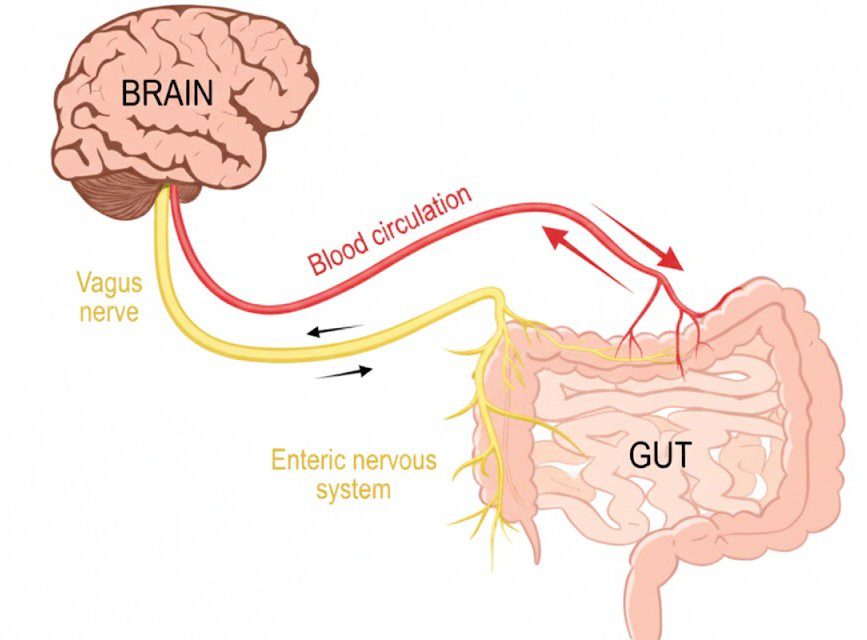
The gut-brain connection refers to the complex communication network between your digestive system and your brain, often called the gut-brain axis. This link allows your gut and brain to influence each other’s function, affecting mood, cognition, digestion, and overall wellness. Signals travel through multiple pathways, including the vagus nerve, hormones, neurotransmitters, and the immune system, while the gut microbiome plays a critical role in shaping these signals.
Maintaining a healthy gut can directly impact mental health, reduce stress, and support cognitive function, demonstrating that a balanced digestive system is not only essential for physical health but also for mental well being. Understanding this connection in simple terms helps people make informed choices about diet, lifestyle, and supplementation to support both gut and brain health.
Key Components of Gut-Brain Communication
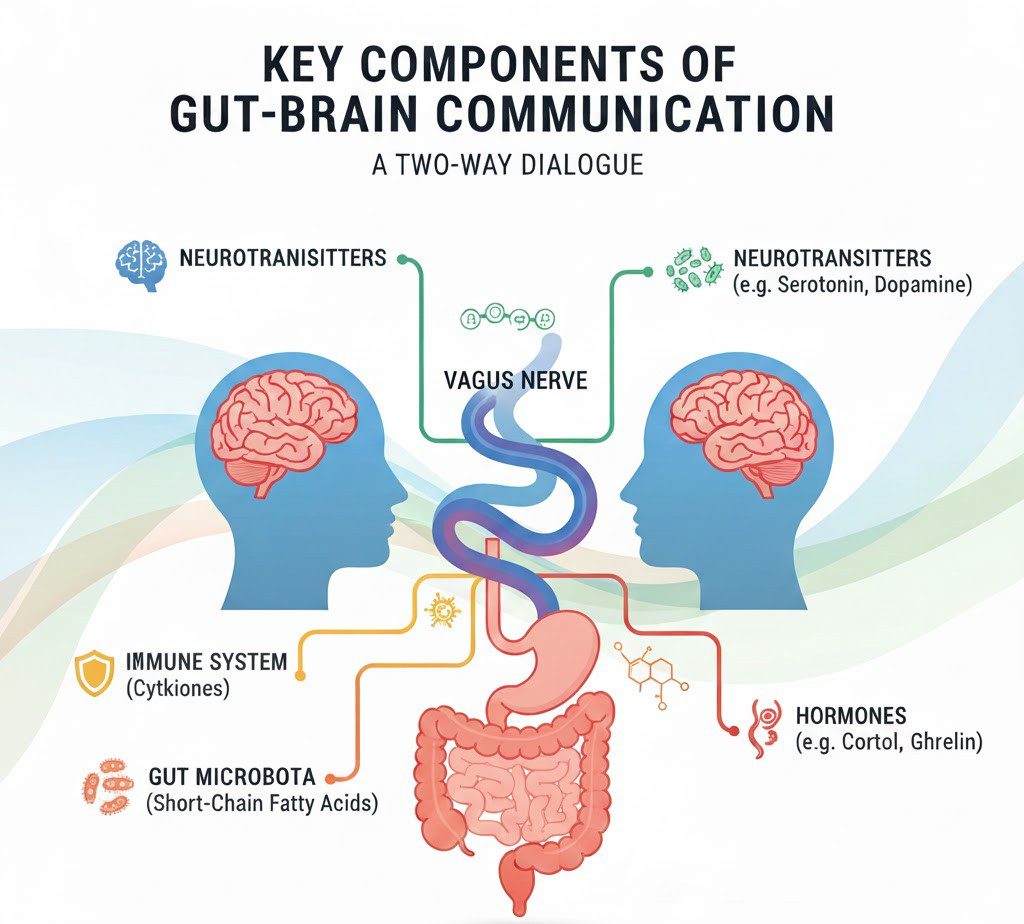
The gut-brain connection is a complex network of communication pathways linking the digestive system and the brain. This connection, often referred to as the gut-brain axis, allows the brain to monitor gut health and the gut to influence brain function. Proper communication along this axis is essential for digestion, mood regulation, cognitive function, and overall wellness. Disruptions in this communication caused by poor diet, stress, or an imbalanced microbiome can lead to digestive issues, mental health challenges, and cognitive decline. Several key components make this bidirectional communication possible:
1. The Vagus Nerve
The vagus nerve is the main communication highway between the gut and brain. It sends real-time signals about digestion, nutrient absorption, and gut microbial activity. It also allows the brain to influence gut function, meaning stress or relaxation can affect digestion, and a healthy gut can support mood and mental clarity. Dysfunction in the vagus nerve may lead to digestive issues, anxiety, or difficulty regulating stress responses. Stimulating the vagus nerve through deep breathing, meditation, or probiotics can strengthen gut-brain communication.
2. Gut Microbiome
The gut hosts trillions of microorganisms called the microbiome. These microbes produce neurotransmitters, short-chain fatty acids, and other signaling molecules that affect the brain. A balanced microbiome supports digestion, immunity, and mental well-being, while imbalances may contribute to anxiety, brain fog, or mood disorders. Diet, stress, sleep, and antibiotics can all influence microbial diversity, making lifestyle choices critical for maintaining a healthy gut-brain axis.
3. Neurotransmitters and Hormones
The gut produces a large portion of the body’s serotonin, dopamine, and GABA, which influence mood, memory, and cognitive processing. Healthy gut signaling helps maintain proper neurotransmitter levels, supporting focus, emotional stability, and overall mental health. Disruptions in these chemical messengers can contribute to mood swings, depression, or cognitive fatigue, showing how closely gut function ties to mental health.
4. Immune System Signaling
Most of the body’s immune cells are in the gut. Inflammation or infections in the digestive tract can send signals to the brain, affecting stress, cognition, and mood. A healthy gut helps regulate immune signaling, reducing neuroinflammation and supporting brain function. Chronic gut inflammation can lead to cognitive decline or emotional disturbances, emphasizing the importance of gut-immune balance for overall brain health.
5. Digestive System Feedback
The gut continuously provides the brain with information about nutrient levels, motility, and bacterial balance. This feedback helps regulate appetite, energy, and mental clarity. Proper gut function ensures the brain receives accurate signals, promoting cognitive performance and overall well-being. Disruptions, such as poor diet or dysbiosis, can confuse these signals, causing fatigue, brain fog, or poor decision-making.
How the Gut-Brain Connection Works
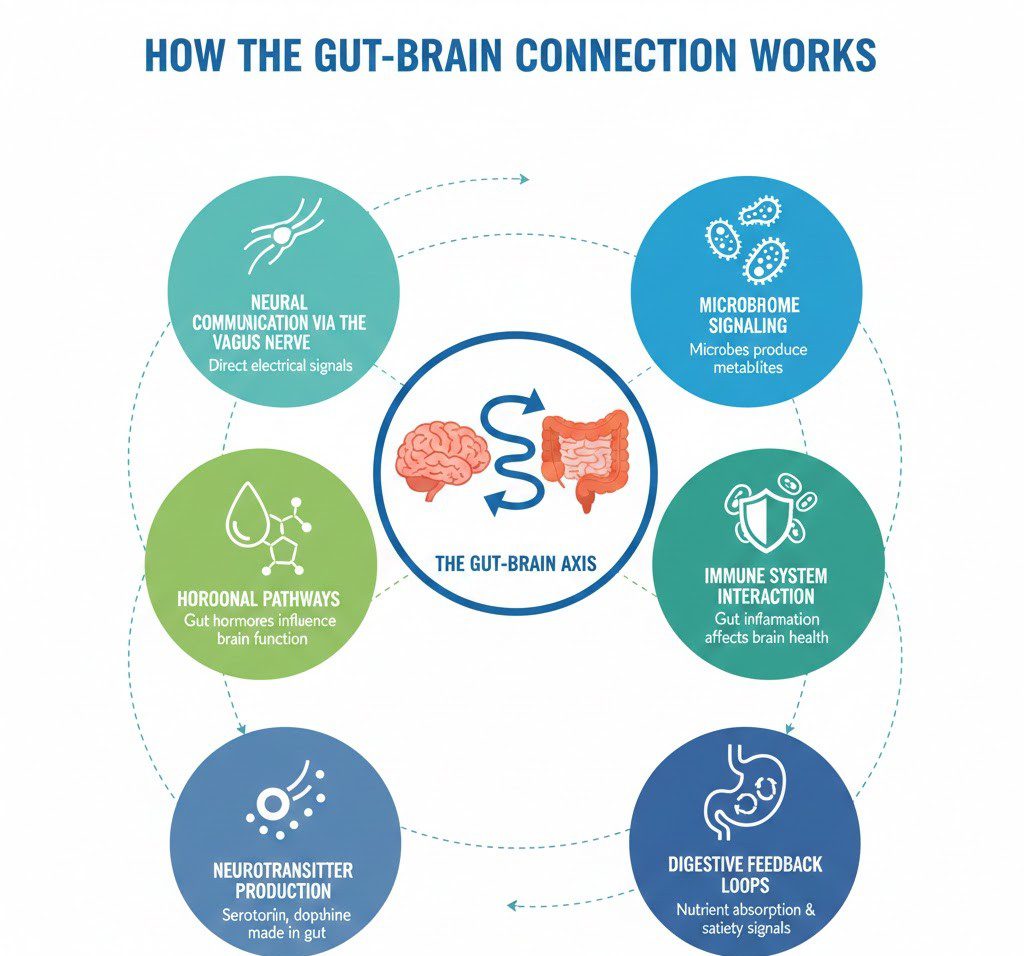
The gut-brain connection, also called the gut-brain axis, is a complex, two way communication system between the gastrointestinal tract and the brain. This connection allows the brain to influence gut function and, at the same time, enables the gut to send signals that affect mood, cognition, and overall health. It involves multiple pathways, including neural, hormonal, and immune systems, ensuring that the digestive system and the brain stay in constant dialogue. Key mechanisms of the gut-brain connection include:
- Neural Communication via the Vagus Nerve: The vagus nerve is the main highway connecting the gut and brain. It transmits real time information about digestion, gut microbes, and nutrient status to the brain.
- Microbiome Signaling: Gut bacteria produce neurotransmitters, short-chain fatty acids, and other compounds that influence brain function. A healthy microbiome supports mood regulation, cognitive clarity, and stress response.
- Hormonal Pathways: The gut releases hormones like ghrelin and leptin that affect appetite, energy balance, and mood. These signals help the brain regulate hunger and satiety, linking digestion to behavior and emotions.
- Immune System Interaction: A large portion of immune cells reside in the gut. Inflammatory signals from the gut can impact brain function, mood, and stress levels.
- Neurotransmitter Production: The gut produces key neurotransmitters such as serotonin and dopamine. These chemicals influence mood, memory, and cognitive performance, directly affecting the gut brain axis.
- Digestive Feedback Loops: The gut sends information on nutrient availability, motility, and microbial balance. This feedback helps the brain adjust digestion, energy levels, and overall mental clarity.
How the Gut Influences the Brain
The gut and brain are connected through the gut-brain axis, allowing continuous communication that affects digestion, mood, cognition, and overall health. A healthy gut sends positive signals to the brain, supporting mental clarity, emotional stability, and cognitive function. Understanding how the gut influences the brain helps individuals improve mood, focus, and overall well-being naturally. Key ways the gut influences brain health include:
- Regulates Neurotransmitters: Gut microbes produce serotonin, dopamine, and GABA, which impact mood, memory, and mental clarity. These neurotransmitters help maintain emotional balance and reduce feelings of anxiety or stress.
- Supports Cognitive Function: A balanced gut microbiome reduces brain fog, improves focus, and enhances learning and memory. Healthy gut signaling ensures the brain receives the right chemical cues for sharper thinking and mental performance.
- Modulates Stress and Anxiety: Signals from the gut, particularly through the vagus nerve, help regulate stress response and emotional balance. Proper gut communication can calm overactive stress responses and promote relaxation.
- Influences Immune-Brain Communication: Gut inflammation can send warning signals to the brain, affecting mood, cognition, and energy levels. Managing gut health helps prevent chronic inflammation that may interfere with mental clarity.
- Maintains Energy and Motivation: Proper nutrient absorption from a healthy gut ensures the brain receives the energy it needs for optimal function. A well nourished brain performs better in concentration, decision making, and daily tasks.
- Protects Mental Well-Being: A balanced gut reduces the risk of mood disorders, depression, and anxiety by supporting stable gut-brain signaling. Gut health provides a foundation for emotional resilience and overall mental wellness.
Common Factors That Disrupt the Gut-Brain Axis
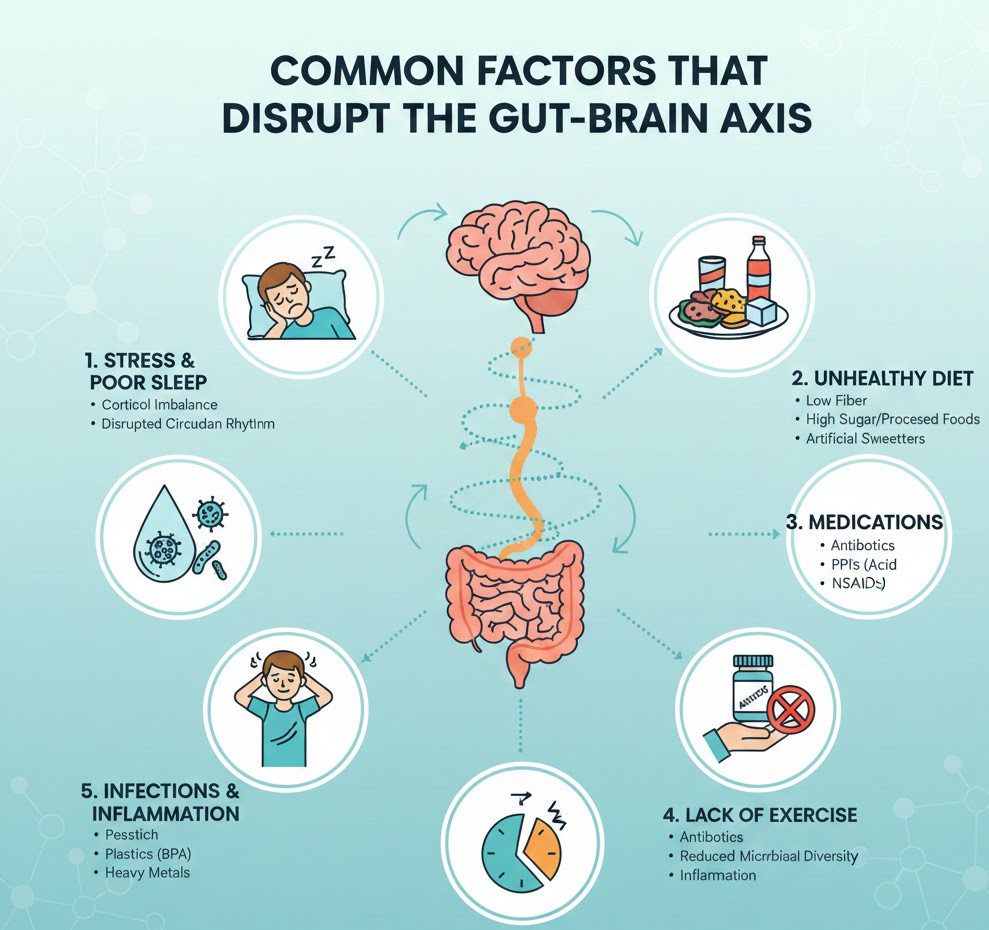
The gut-brain axis depends on balanced communication between the digestive system and the brain. Certain everyday factors can interfere with this connection, leading to digestive problems, mood changes, and reduced mental clarity.
- Chronic Stress: Long-term stress disrupts the vagus nerve and gut motility, weakening gut-brain signaling and contributing to anxiety, digestive discomfort, and brain fog.
- Poor Diet: Highly processed foods and excess sugar reduce beneficial gut bacteria and increase inflammation, making gut-brain communication less effective.
- Lack of Sleep: Insufficient sleep alters gut bacteria and hormone balance, negatively affecting mood, focus, and digestive health.
- Overuse of Antibiotics or Medications: Antibiotics and some medications can disrupt the gut microbiome, interfering with neuro transmitter and immune signaling to the brain.
- Low Physical Activity: A sedentary lifestyle slows digestion and reduces microbial diversity, weakening gut-brain coordination.
Foods That Support the Gut-Brain Axis
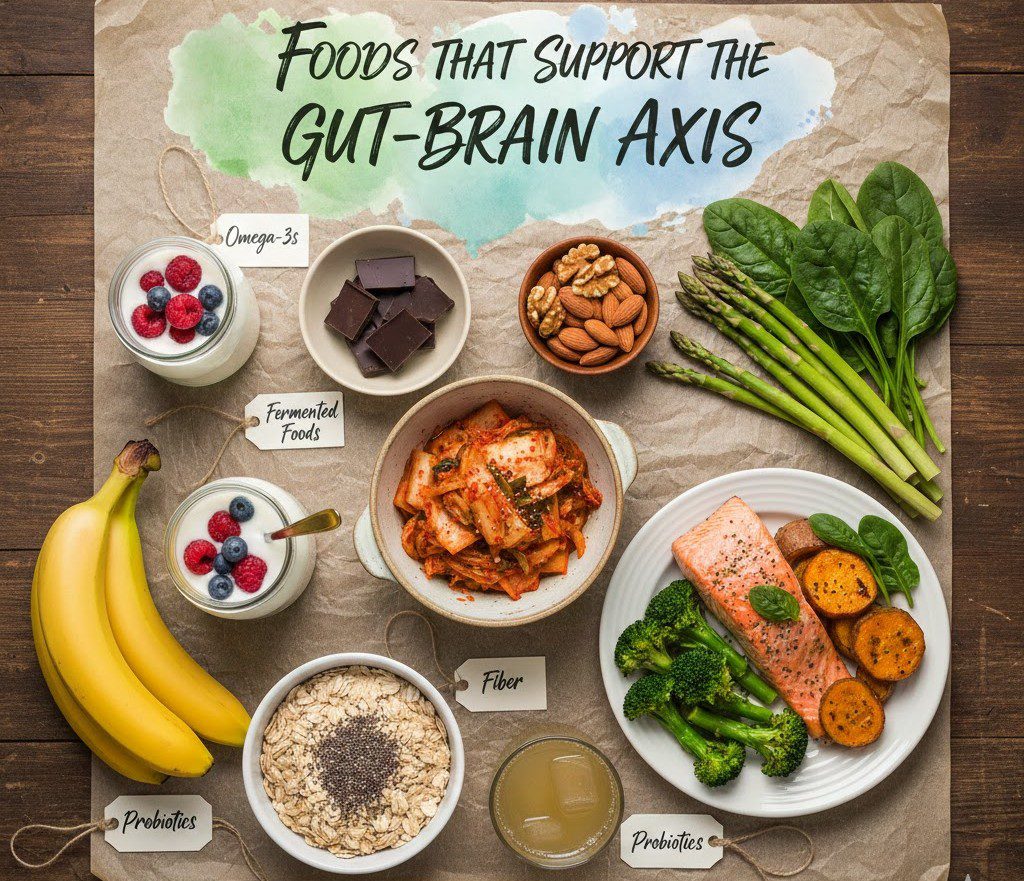
The foods you eat strongly influence gut-brain communication by shaping the gut microbiome, supporting neurotransmitter production, and reducing inflammation that can affect mood and mental clarity.
- Probiotic Rich Foods: Fermented foods like yogurt, kefir, kimchi, and sauerkraut provide beneficial bacteria that support microbiome and mental health by improving gut balance and supporting serotonin production.
- Prebiotic and Fiber-Rich Foods: Foods such as bananas, garlic, onions, oats, and whole grains feed beneficial gut bacteria, helping maintain a healthy gut-brain axis and promoting stable mood and cognitive function.
- Anti-Inflammatory Foods: Fatty fish, nuts, seeds, olive oil, and colorful fruits and vegetables help reduce gut inflammation, which supports smoother gut-brain communication and better mental well-being.
- Nutrient-Dense Whole Foods: Whole foods rich in vitamins, minerals, and antioxidants support neurotransmitter production and protect both digestive and brain health over the long term.
Lifestyle Habits That Strengthen the Gut-Brain Connection
The gut-brain connection is influenced not only by what you eat, but also by how you live each day. Lifestyle habits affect the nervous system, hormone release, immune responses, and the balance of gut bacteria, all of which play a role in gut-brain communication. Consistent healthy routines can strengthen the gut-brain axis, improve digestion, stabilize mood, and support mental clarity over time.
- Stress Management: Chronic stress disrupts the gut-brain axis by affecting the vagus nerve and gut motility. It can lead to digestive discomfort, inflammation, and imbalanced gut bacteria. Practices like meditation, deep breathing, and mindfulness help calm the nervous system and support digestive health.
- Quality Sleep: Adequate sleep supports hormone balance and gut microbiome stability. During sleep, the body repairs both brain and digestive functions. Poor sleep can disturb gut bacteria and weaken the gut-brain relationship, affecting mood, focus, and emotional regulation.
- Regular Physical Activity: Exercise improves blood flow, supports gut motility, and encourages beneficial gut bacteria. Physical activity also reduces stress hormones, helping maintain healthy gut-brain communication and better mental well-being.
- Proper Hydration: Drinking enough water supports digestion, nutrient absorption, and toxin removal. Hydration helps maintain a healthy gut lining and supports clear signaling between the digestive system and the brain.
- Mindful Eating Habits: Eating slowly and paying attention to hunger and fullness cues helps regulate digestive signals sent from the gut to the brain. Mindful eating reduces overeating, improves digestion, and supports better gut-brain coordination.
Conclusion
The gut-brain connection, or gut-brain axis, is a two-way communication system between the digestive system and the brain that affects digestion, mood, immunity, energy, and overall health. It works through the vagus nerve, hormones, immune signals, and the gut microbiome, which produces chemicals that influence mental clarity and emotional balance. A healthy gut supports better mood, focus, and stress control, while poor diet, stress, lack of sleep, and inactivity can disrupt this connection. Eating gut-friendly foods and maintaining healthy lifestyle habits help strengthen both gut and brain health.
FAQs
What is the gut-brain connection?
The gut-brain connection is the two-way communication system between the digestive system and the brain, known as the gut-brain axis. It influences digestion, mood, immunity, energy, and overall health.
How does the gut communicate with the brain?
The gut communicates with the brain through the vagus nerve, hormones, neurotransmitters, immune signals, and the gut microbiome, allowing constant information exchange.
Why is gut health important for mental well-being?
A healthy gut helps regulate neurotransmitters like serotonin and dopamine, which support mood, focus, stress management, and emotional balance.
What role does the gut microbiome play in the gut-brain axis?
The gut microbiome produces chemicals that affect brain function, immunity, and inflammation. A balanced microbiome supports mental clarity and emotional stability.
Can stress affect the gut-brain connection?
Yes, chronic stress disrupts gut-brain signaling by affecting the vagus nerve and gut motility, leading to digestive issues, anxiety, and brain fog.
How does diet influence the gut-brain axis?
Diet shapes gut bacteria and inflammation levels. Probiotic- and prebiotic-rich foods strengthen gut-brain communication and support mental and digestive health.
Which foods are best for supporting gut-brain health?
Fermented foods, fiber-rich foods, anti-inflammatory foods, and nutrient-dense whole foods help maintain a healthy gut-brain axis.
Does sleep impact the gut-brain connection?
Yes, poor sleep can disrupt gut bacteria and hormone balance, negatively affecting mood, focus, and digestion.
How does exercise support the gut-brain axis?
Regular physical activity improves gut motility, increases beneficial gut bacteria, and reduces stress, strengthening gut-brain communication.
What are simple daily habits to improve gut-brain health?
Managing stress, getting quality sleep, eating gut-friendly foods, staying hydrated, exercising regularly, and practicing mindful eating all support a healthy gut-brain connection.
References
- Balingit, A., & Wilson, D. R. (n.d.). The Gut-Brain Connection: How it Works and The Role of Nutrition. Healthline. Retrieved December 23, 2025, from https://www.healthline.com/nutrition/gut-brain-connection
- The brain-gut connection explained. (2020, February 6). Top Doctors. Retrieved December 24, 2025, from https://www.topdoctors.co.uk/medical-articles/the-gut-brain-connection/
- Gorbounova, I. (2024, February 27). The Gut-Brain Connection: What It Is and How to Help Children. Brown University Health. Retrieved December 24, 2025, from https://www.brownhealth.org/be-well/gut-brain-connection-what-it-and-how-help-children
- What Is the Gut-Brain Connection? (n.d.). Cleveland Clinic. Retrieved December 23, 2025, from https://my.clevelandclinic.org/health/body/the-gut-brain-connection
- What is the gut-brain connection? (2024, November 25). HelpGuide.org. Retrieved December 24, 2025, from https://www.helpguide.org/wellness/nutrition/gut-brain-connection

Dr. Emily Zhang, MD, is a gastroenterologist and integrative medicine specialist with 10 years of clinical experience in digestive health and microbiome science. She completed her medical degree at University of Chicago Pritzker School of Medicine and fellowship at Massachusetts General Hospital. Dr. Zhang specializes in gut-brain interactions, microbiota diversity, and nutrition-driven gut repair. She has contributed to NIH-funded studies on probiotics and authored patient education resources on functional gut disorders.