
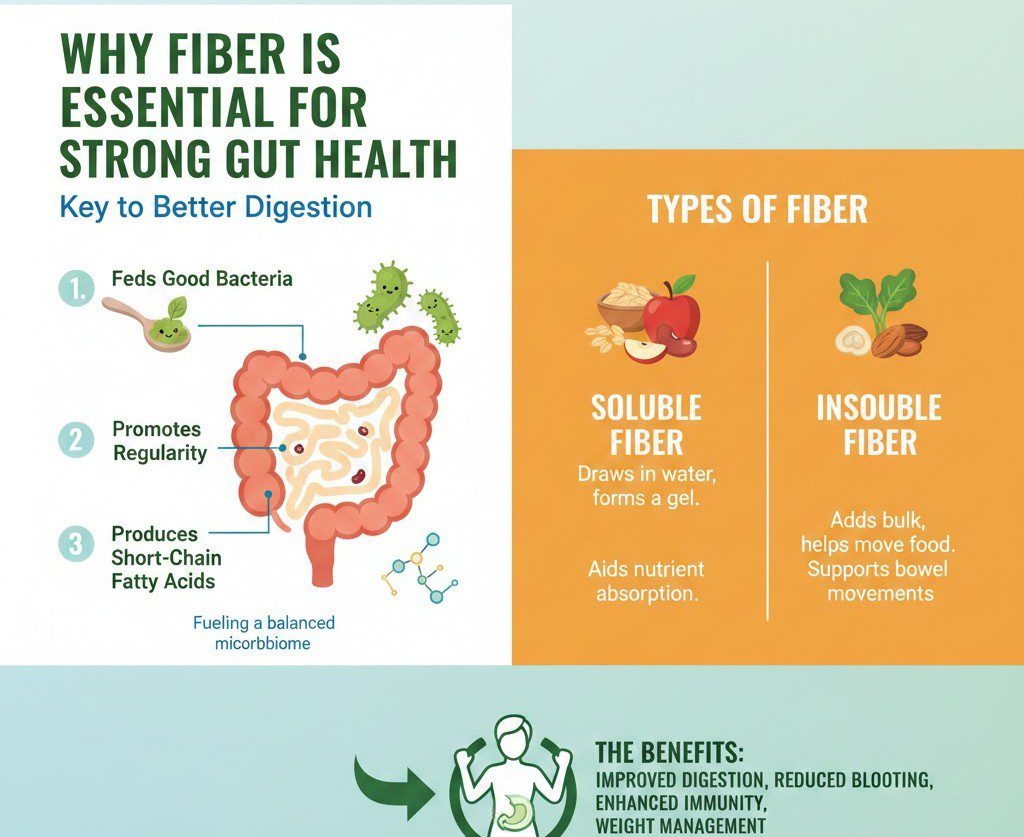
Maintaining a healthy gut is essential for digestion, immunity, metabolism, and overall well-being. One of the most important yet often overlooked nutrients for digestive health is dietary fiber. Understanding why fiber is essential for strong gut health can help prevent digestive discomfort, support beneficial gut bacteria, and reduce the risk of chronic health conditions. Fiber-rich foods play a vital role in keeping the digestive system functioning smoothly while supporting long-term gut balance and overall health.
Key Takeaways
- Dietary fiber plays a crucial role in supporting digestion by promoting regular bowel movements, reducing constipation, and improving overall gut comfort.
- Fiber helps nourish beneficial gut bacteria, strengthening the gut microbiome and supporting better nutrient absorption and digestive balance.
- Adequate daily fiber intake lowers the risk of common digestive issues and may help prevent metabolic disorders by supporting stable blood sugar and healthy weight management.
- Both soluble and insoluble fiber are essential for gut health, as they work together to support stool consistency, intestinal movement, and gut lining integrity.
- Consistent fiber consumption supports immune function, metabolic health, and long-term wellness by maintaining a healthy, balanced digestive system.
Why Fiber Is Essential for Strong Gut Health
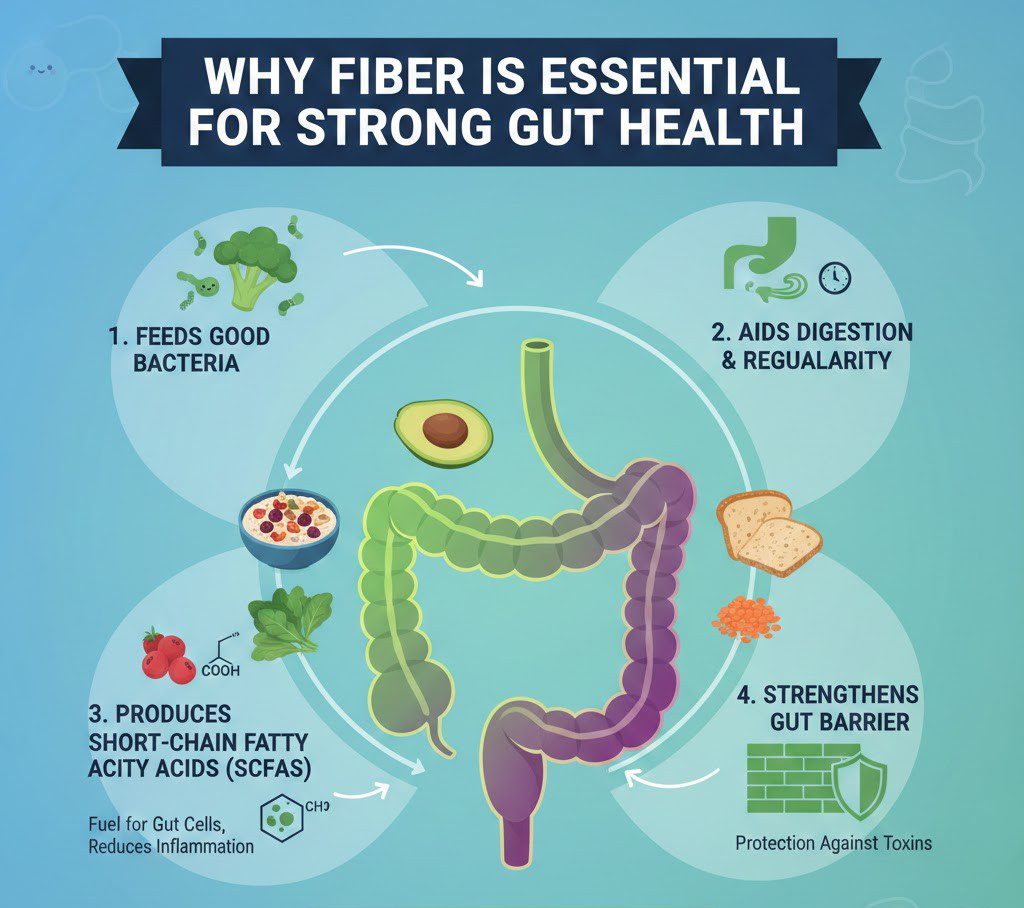
Fiber is a vital nutrient that supports digestive health by promoting regular bowel movements, nourishing beneficial gut bacteria, and maintaining a balanced digestive system. Unlike other carbohydrates, fiber is not fully digested and instead moves through the gut, where it plays a key role in digestion, gut microbiome balance, and overall wellness. Adequate fiber intake helps prevent digestive discomfort, supports immune function, and protects long-term gut health.
Key ways fiber supports strong gut health include:
- Supporting Bowel Regularity: Fiber adds bulk and softness to stool, helping it pass more easily through the intestines. This prevents constipation, reduces straining, and supports consistent bowel movements, which are essential for removing waste and toxins from the body.
- Nourishing Gut Microbiota: Certain types of fiber act as prebiotics, serving as food for beneficial gut bacteria. When these bacteria ferment fiber, they grow and multiply, creating a balanced gut microbiome that supports digestion, immunity, and protection against harmful microbes.
- Improving Digestion: Fiber slows the movement of food through the digestive tract, allowing better breakdown of nutrients and more efficient absorption. This helps reduce digestive issues such as bloating, gas, and discomfort while promoting smoother digestion.
- Strengthening the Gut Lining: By feeding beneficial bacteria, fiber helps produce short-chain fatty acids that strengthen the intestinal lining. A healthy gut barrier prevents toxins and harmful bacteria from entering the bloodstream and supports overall gut integrity.
- Reducing Gut Inflammation: Fiber helps regulate inflammatory responses in the gut by supporting beneficial bacteria and improving gut barrier function. This can lower the risk of chronic gut inflammation and support digestive conditions such as irritable bowel syndrome.
Types of Fiber and Their Role in Gut Health
Dietary fiber is not a single nutrient but a group of compounds that support digestion in different ways. Understanding the types of fiber helps explain why fiber is essential for strong gut health, as each type plays a unique role in maintaining digestive balance, bowel regularity, and a healthy gut microbiome.
Soluble Fiber
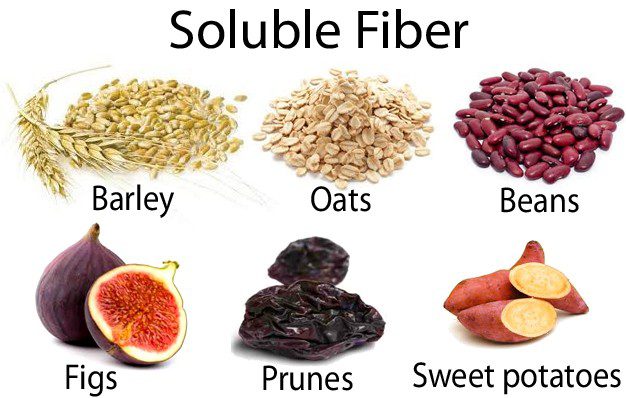
Soluble fiber dissolves in water to form a gel-like substance in the digestive tract. This slows digestion, supports beneficial gut bacteria, and helps regulate stool consistency. Soluble fiber is especially helpful for calming the digestive system and maintaining gut comfort.
Role in gut health includes:
- Slowing digestion to improve nutrient absorption
- Feeding beneficial gut bacteria and supporting microbiome balance
- Helping manage diarrhea by absorbing excess water
- Supporting gut lining health and reducing inflammation
Common sources include: oats, apples, citrus fruits, beans, lentils, flaxseeds, and chia seeds.
Insoluble Fiber
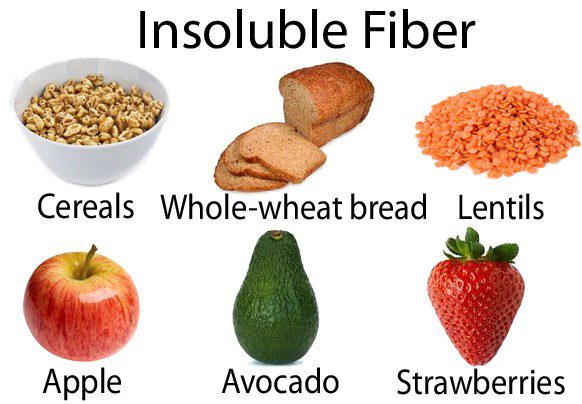
Insoluble fiber does not dissolve in water and adds bulk to stool. It helps food move efficiently through the digestive tract, promoting regular bowel movements and preventing constipation.
Role in gut health includes:
- Increasing stool bulk to support regular bowel movements
- Preventing constipation and digestive sluggishness
- Supporting colon and intestinal health
- Reducing the risk of digestive disorders linked to slow digestion
Common sources include: whole grains, nuts, seeds, vegetables, wheat bran, and leafy greens.
Fermentable Fiber (Prebiotic Fiber)
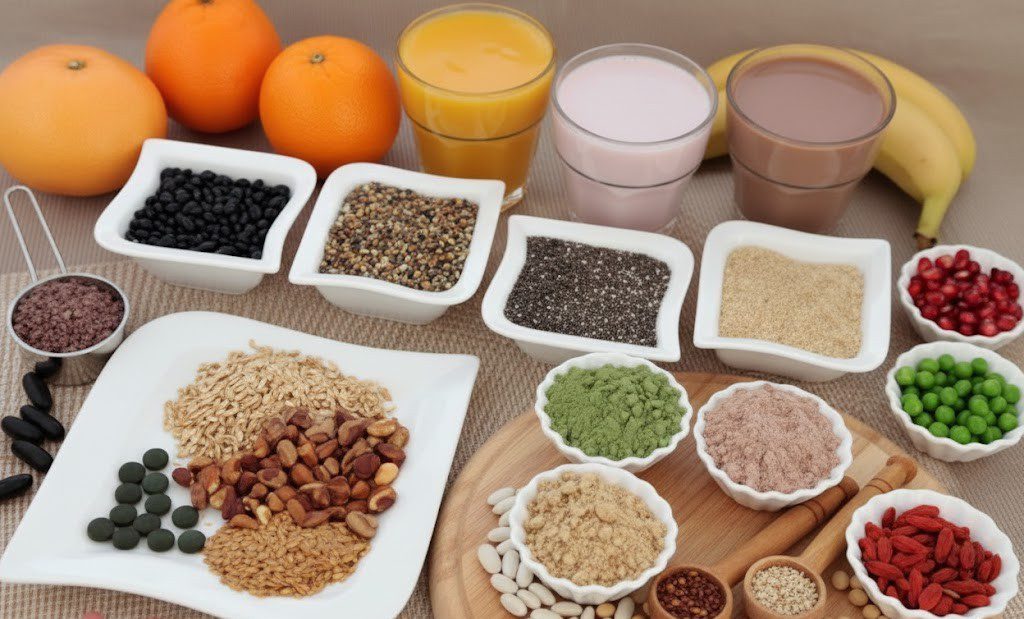
Fermentable fibers are broken down by gut bacteria during digestion. This fermentation process produces beneficial compounds, such as short-chain fatty acids, that support gut health and immune function.
Role in gut health includes:
- Feeding beneficial gut bacteria and promoting microbial diversity
- Strengthening the gut barrier and intestinal lining
- Reducing gut inflammation
- Supporting immune and metabolic health
Common sources include: garlic, onions, leeks, bananas, asparagus, legumes, and oats.
Resistant Starch
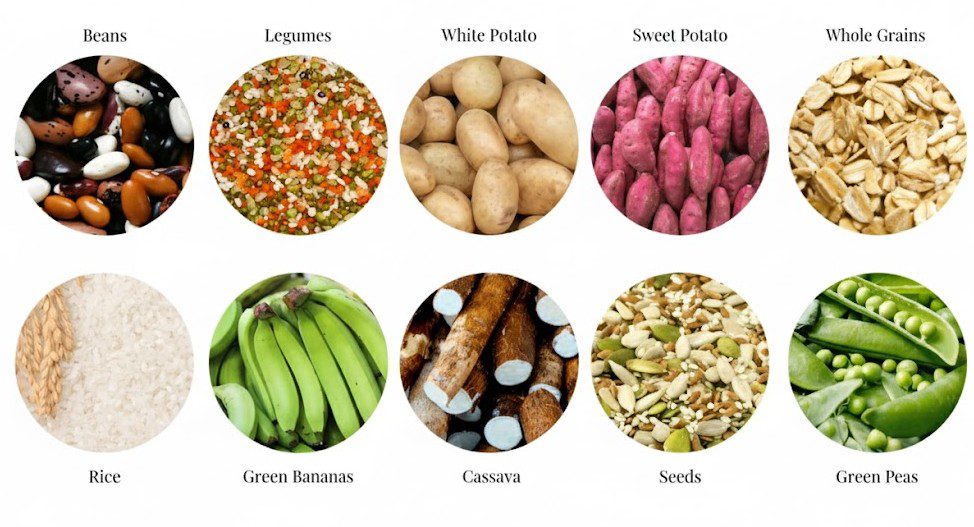
Resistant starch resists digestion in the small intestine and reaches the colon intact, where it feeds beneficial bacteria. It functions similarly to fiber and provides unique gut health benefits.
Role in gut health includes:
- Supporting beneficial bacteria growth
- Improving bowel regularity
- Enhancing gut barrier integrity
- Supporting overall digestive health
Common sources include: cooked and cooled potatoes, rice, green bananas, legumes, and whole grains.
How Fiber Supports a Healthy Gut Microbiome
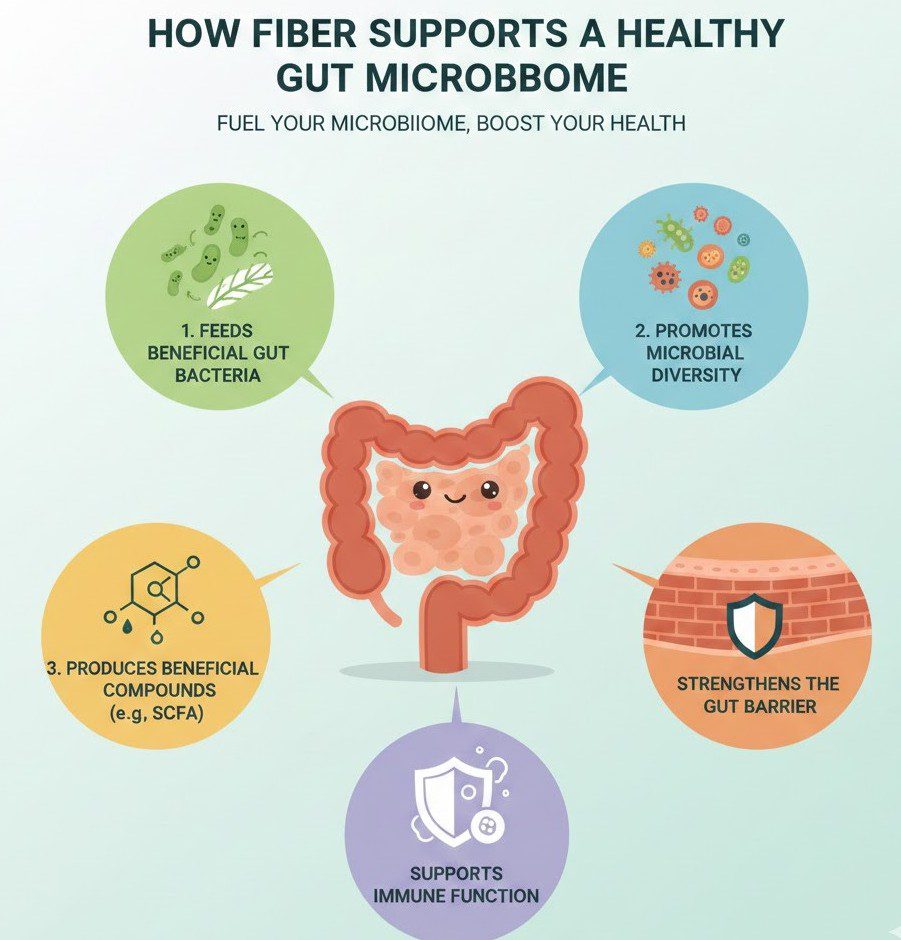
Fiber plays a crucial role in maintaining a healthy gut microbiome, the community of trillions of microorganisms living in the digestive tract that support digestion, immune function, nutrient absorption, and overall health. One of the main reasons fiber is essential for strong gut health is that it is not fully digested in the small intestine; instead, it reaches the colon intact, where it serves as a primary food source for beneficial gut bacteria, helping them grow, thrive, and maintain a balanced and diverse microbiome.
Ways fiber supports a healthy gut microbiome include:
- Feeds Beneficial Gut Bacteria: Certain types of fiber act as prebiotics, providing nourishment for good bacteria such as Bifidobacteria and Lactobacilli. Feeding these bacteria helps them grow and thrive, preventing harmful microbes from dominating the gut.
- Promotes Microbial Diversity: A fiber-rich diet encourages the growth of different bacterial species in the gut. Greater microbial diversity is associated with better digestion, stronger immunity, and reduced risk of gut-related disorders.
- Produces Beneficial Compounds: When gut bacteria ferment fiber, they produce short-chain fatty acids such as butyrate, acetate, and propionate. These compounds support gut lining health, reduce inflammation, and provide energy to colon cells.
- Strengthens the Gut Barrier: Fiber-derived compounds help maintain the integrity of the intestinal lining, reducing gut permeability and protecting the body from toxins and harmful bacteria entering the bloodstream.
- Supports Immune Function: A healthy gut microbiome supported by fiber plays a key role in regulating immune responses, helping the body fight infections and maintain overall immune balance.
Digestive Problems Linked to Low Fiber Intake
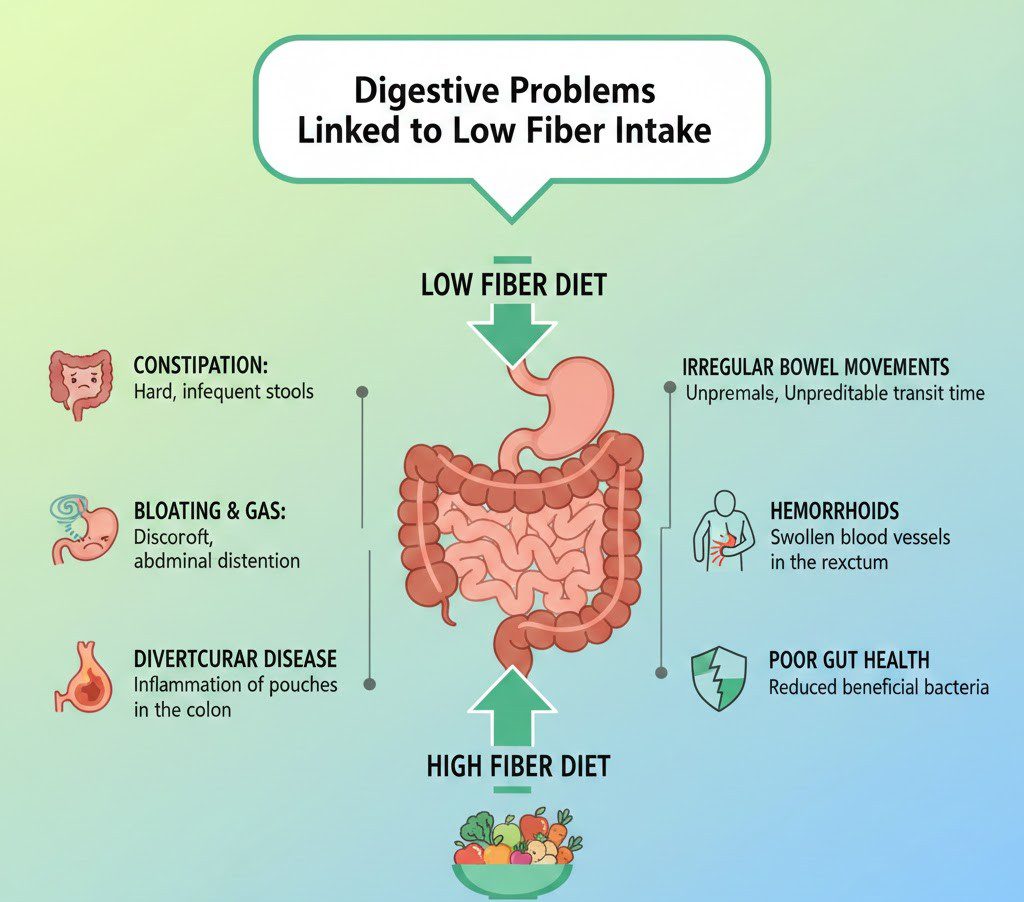
A diet low in fiber can significantly disrupt digestive function and overall gut health. Because fiber plays a key role in bowel regularity, gut microbiome balance, and intestinal health, insufficient intake often leads to a range of digestive issues that affect comfort and long-term wellness.
Common digestive problems linked to low fiber intake include:
- Constipation: Without enough fiber to add bulk and softness to stool, bowel movements become infrequent and difficult, leading to constipation and straining.
- Bloating and Gas: Poor fiber intake can disrupt gut bacteria balance, causing improper digestion and increased gas production, which leads to bloating and abdominal discomfort.
- Irregular Bowel Movements: Low fiber intake often results in inconsistent bowel habits, alternating between constipation and loose stools.
- Poor Gut Microbiome Balance: A lack of fiber deprives beneficial gut bacteria of their primary food source, allowing harmful bacteria to dominate and disrupt gut health.
- Increased Gut Inflammation: Insufficient fiber can weaken the gut lining and increase inflammation, raising the risk of digestive discomfort and gut-related conditions.
- Higher Risk of Digestive Disorders: Long-term low fiber intake is associated with an increased risk of conditions such as hemorrhoids, diverticular disease, and other chronic digestive issues.
Foods That Support Strong Gut Health Through Fiber
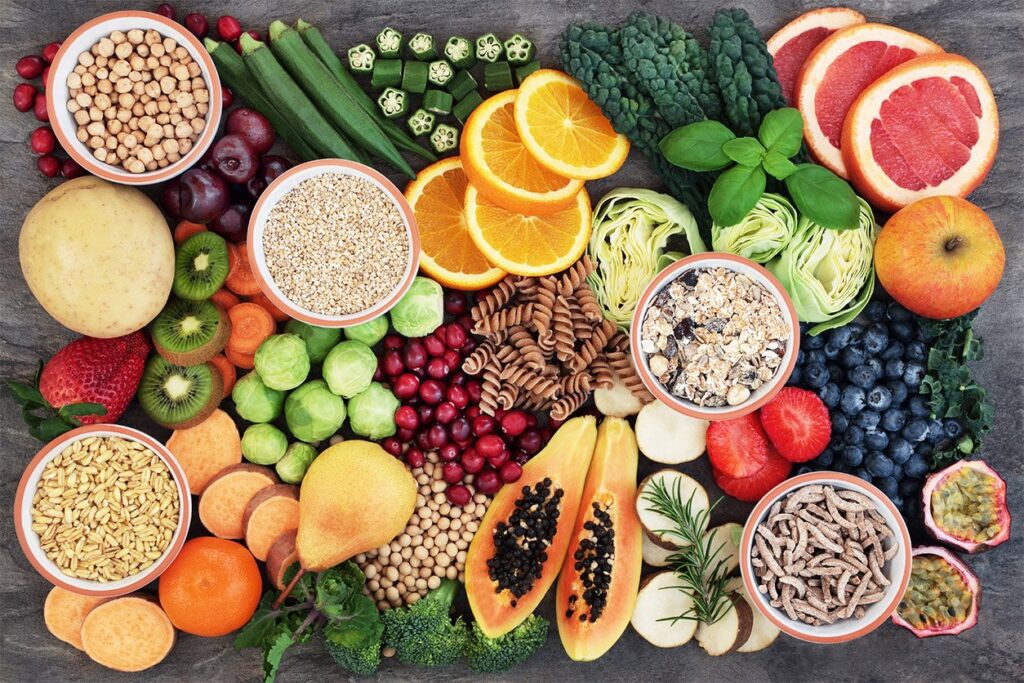
Including a variety of fiber-rich foods in your daily diet is essential for maintaining strong gut health. These foods help support digestion, nourish beneficial gut bacteria, and promote regular bowel movements. Fiber-rich foods that support gut health include:
- Vegetables: Leafy greens, broccoli, carrots, cauliflower, zucchini, and bell peppers provide insoluble fiber that supports bowel regularity and gut movement.
- Fruits: Berries, apples, pears, bananas, and citrus fruits contain soluble fiber that supports digestion and feeds beneficial gut bacteria.
- Whole Grains: Oats, brown rice, quinoa, barley, and whole wheat help improve stool consistency and support a healthy digestive system.
- Legumes: Beans, lentils, chickpeas, and peas are rich in fiber and act as prebiotics that nourish gut microbiota.
- Nuts and Seeds: Chia seeds, flaxseeds, almonds, walnuts, and sunflower seeds support digestion and gut health while providing healthy fats.
Lifestyle Factors That Improve Fiber’s Effectiveness
While fiber is essential for strong gut health, its benefits are greatly influenced by daily lifestyle habits. Simply increasing fiber intake without supporting behaviors may lead to digestive discomfort or reduced effectiveness. Combining fiber-rich foods with healthy routines helps the digestive system function efficiently, supports gut bacteria, and ensures fiber moves smoothly through the gastrointestinal tract. Key lifestyle factors include:
- Adequate Hydration: Drinking enough water helps fiber move smoothly through the digestive tract and prevents constipation.
- Gradual Fiber Intake: Increasing fiber slowly allows the digestive system to adapt and reduces bloating or discomfort.
- Regular Physical Activity: Movement stimulates intestinal activity and supports regular bowel movements.
- Stress Management: Managing stress helps maintain healthy gut function, as stress can slow digestion and disrupt gut bacteria balance.
- Consistent Eating Patterns: Regular meal times support predictable digestion and better fiber utilization.
Common Mistakes That Reduce Fiber’s Benefits
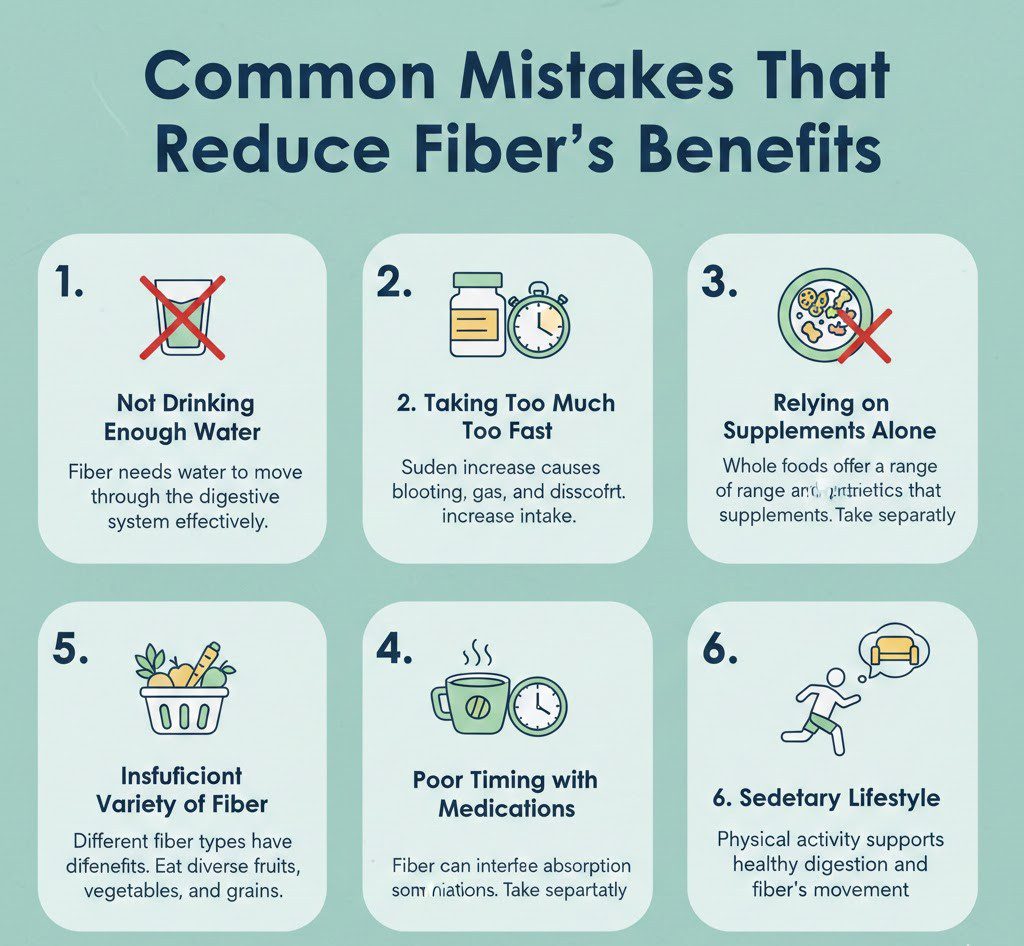
Although fiber is essential for strong gut health, certain habits can limit its effectiveness and may even cause digestive discomfort. Avoiding these common mistakes helps ensure fiber supports digestion, gut bacteria balance, and overall digestive health.
Common mistakes include:
- Increasing Fiber Intake Too Quickly: Suddenly adding large amounts of fiber can overwhelm the digestive system, leading to bloating, gas, and abdominal discomfort instead of improved digestion.
- Not Drinking Enough Water: Fiber absorbs water, and without adequate hydration it can slow digestion and worsen constipation rather than relieve it.
- Relying Only on Fiber Supplements: Supplements lack the vitamins, minerals, and natural compounds found in whole foods that work together to support gut health.
- Choosing Processed “High-Fiber” Foods: Many processed foods labeled as high in fiber contain added or isolated fibers and excessive sugars, which may not support gut health effectively.
- Lack of Fiber Variety: Eating the same fiber sources daily limits gut microbiome diversity and reduces the overall benefits of fiber.
- Skipping Meals or Eating Irregularly: Inconsistent eating patterns can disrupt digestion and reduce how efficiently fiber works in the gut.
When to Seek Medical Advice for Gut Health Issues
While fiber-rich foods and healthy lifestyle habits support gut health for most people, some digestive symptoms may indicate an underlying condition that requires professional medical attention. Early evaluation can help prevent complications and ensure appropriate care.
- Persistent constipation or diarrhea
- Severe or ongoing abdominal pain
- Blood in stool or black stools
- Unexplained weight loss
- Chronic bloating or excessive gas
- Fatigue or signs of nutrient deficiencies
- Family history of digestive disorders
- Digestive symptoms that persist or worsen despite lifestyle changes
Conclusion
Dietary fiber is essential for strong gut health because it supports digestion, promotes regular bowel movements, and nourishes beneficial gut bacteria. Fiber helps maintain a balanced gut microbiome, strengthens the gut lining, reduces inflammation, and supports immune and metabolic health. Both soluble and insoluble fiber work together to improve stool consistency and prevent digestive discomfort. A low-fiber diet can lead to bloating, irregular digestion, and increased risk of gut disorders. Eating a variety of fiber-rich foods and supporting them with healthy lifestyle habits helps maintain long-term digestive wellness, while ongoing digestive symptoms should be evaluated by a healthcare professional.
FAQs
Why is fiber important for gut health?
Fiber is important for gut health because it supports regular digestion, nourishes beneficial gut bacteria, strengthens the gut lining, and helps maintain a balanced gut microbiome.
What happens to digestion if fiber intake is low?
Low fiber intake can lead to constipation, bloating, irregular bowel movements, poor gut bacteria balance, and a higher risk of digestive disorders over time.
What is the difference between soluble and insoluble fiber?
Soluble fiber dissolves in water and helps slow digestion while feeding gut bacteria, whereas insoluble fiber adds bulk to stool and helps food move smoothly through the digestive tract.
How does fiber support gut bacteria?
Fiber acts as a prebiotic, serving as food for beneficial gut bacteria and helping them grow, thrive, and maintain a healthy and diverse microbiome.
Can fiber help reduce gut inflammation?
Yes, fiber supports the production of short-chain fatty acids that strengthen the gut lining and help regulate inflammation in the digestive system.
Which foods are best for improving gut health through fiber?
Vegetables, fruits, whole grains, legumes, nuts, and seeds are excellent sources of fiber that support digestion and gut microbiome balance.
How much fiber should be added to the diet at one time?
Fiber should be increased gradually to allow the digestive system to adapt and to prevent bloating, gas, or discomfort.
Does drinking water affect how fiber works in the gut?
Yes, adequate hydration is essential because fiber absorbs water, helping stool move smoothly through the digestive tract and preventing constipation.
Are fiber supplements as effective as fiber from foods?
Whole foods are generally more effective because they provide a variety of fiber types along with vitamins, minerals, and plant compounds that support gut health.
When should digestive symptoms be checked by a doctor?
Medical advice should be sought if digestive symptoms such as persistent constipation or diarrhea, severe abdominal pain, blood in stool, unexplained weight loss, or ongoing bloating do not improve with dietary and lifestyle changes.
References
- Gut Feeling: Why Fiber Should Be Your Wellness MVP. (2025, October 28). Texas Health Resources. Retrieved December 18, 2025, from https://www.texashealth.org/areyouawellbeing/Eating-Right/Gut-Feeling-Why-Fiber-Should-Be-Your-Wellness-MVP
- The Importance of Fiber in Maintaining Digestive Health. (n.d.). GSI Ohio (. Retrieved December 18, 2025, from https://www.gsiohio.com/blog/1283937-the-importance-of-fiber-in-maintaining-digestive-health
- Mikaelian, M., & Grieger, L. (n.d.). Gut Check: Why Is Fiber Important for Your Digestive Health? Everyday Health. Retrieved December 18, 2025, from https://www.everydayhealth.com/digestive-health/experts-why-is-fiber-important.aspx
- Simple Habits to Keep Your Blood Sugar in Check. (2025, November 17). Greater Good Health. Retrieved December 18, 2025, from https://lifestylemedicine.stanford.edu/what-is-fiber-and-why-is-it-important-for-the-microbiome/
- Why Fiber Is So Good for You | Patient Education. (n.d.). UCSF Benioff Children’s Hospitals. Retrieved December 18, 2025, from https://www.ucsfbenioffchildrens.org/education/why-fiber-is-so-good-for-you

Dr. Emily Zhang, MD, is a gastroenterologist and integrative medicine specialist with 10 years of clinical experience in digestive health and microbiome science. She completed her medical degree at University of Chicago Pritzker School of Medicine and fellowship at Massachusetts General Hospital. Dr. Zhang specializes in gut-brain interactions, microbiota diversity, and nutrition-driven gut repair. She has contributed to NIH-funded studies on probiotics and authored patient education resources on functional gut disorders.