

The health of your gut is essential for overall wellness. Your digestive system affects digestion, immunity, mood, energy, and even mental clarity. Following an easy daily routine for better gut health ensures your microbiome stays balanced, digestion runs smoothly, and overall well-being is improved. This guide breaks down simple daily habits to improve gut health that you can follow every day for long term benefits.
Key Takeaways
- Following an easy daily routine for better gut health supports digestion, energy, and mental clarity.
- A healthy gut microbiome enhances nutrient absorption, immune function, and stress management.
- Gut health routines like proper hydration, fiber intake, and probiotics improve digestive wellness.
- Lifestyle habits such as quality sleep, stress management, and regular exercise promote a gut friendly lifestyle.
- Consistent daily habits strengthen the gut, reduce inflammation, and improve overall health.
What Is a Gut Health Routine?
A gut health routine is a set of daily digestive habits aimed at supporting your microbiome and promoting smooth digestion, immunity, and overall wellness. It includes simple daily habits to improve gut health, such as eating fiber rich and probiotic foods, staying hydrated, exercising regularly, managing stress, and getting enough sleep. Following these habits consistently helps maintain a balanced gut, reducing digestive discomfort and supporting mental and physical health.
An easy daily routine for better gut health also encourages a gut friendly lifestyle by keeping your gut bacteria diverse and active. Incorporating healthy digestion practices into your everyday life strengthens your digestive system, boosts energy levels, and enhances overall well-being. By making small, sustainable changes, you can create a daily gut health checklist that promotes long term digestive wellness.
How a Daily Routine Can Help Improve Gut Health
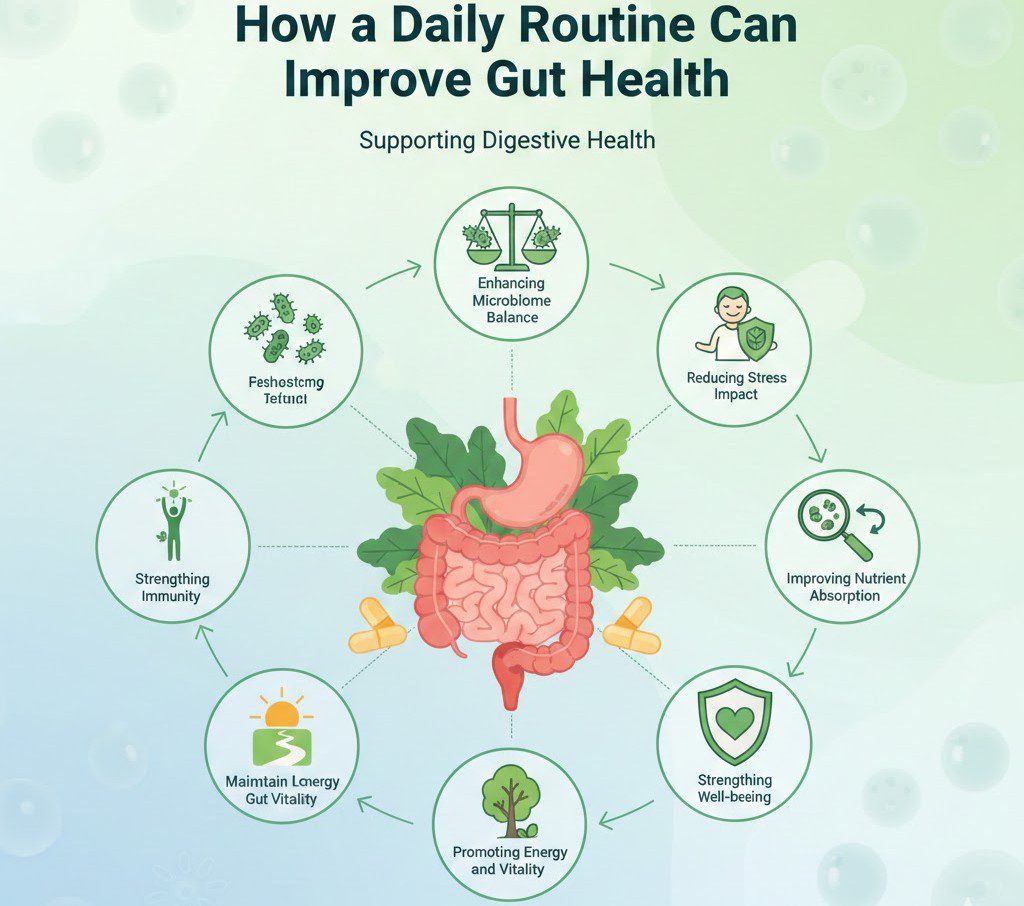
Following a consistent daily routine supports gut function, strengthens the microbiome, and promotes overall digestive wellness. By incorporating simple habits, such as mindful eating, staying hydrated, consuming fiber rich and probiotic foods, and maintaining regular meal times, you provide your gut with the structure it needs to thrive. A daily routine also helps reduce digestive stress, inflammation, and irregular bowel movements.
Key benefits include:
- Supporting Digestive Health: Regular meal times, fiber-rich foods, and probiotics promote smooth digestion, prevent constipation, and maintain a healthy gut environment.
- Enhancing Microbiome Balance: Daily habits like eating prebiotic foods feed beneficial bacteria, supporting microbial diversity and preventing harmful bacterial overgrowth.
- Reducing Stress Impact: Consistent routines including stress management techniques, such as meditation or deep breathing, support gut brain communication and reduce gut inflammation.
- Improving Nutrient Absorption: Structured eating patterns and hydration optimize digestion and nutrient uptake, ensuring the body receives essential vitamins and minerals.
- Strengthening Immunity: A balanced gut microbiome supported by healthy daily habits helps regulate immune responses and improves overall resistance to illness.
- Supporting Mental Well being: A healthy gut influenced by consistent daily habits positively affects the gut brain axis, improving mood, focus, and cognitive function.
- Promoting Energy and Vitality: Proper digestion and nutrient absorption from a structured routine help maintain energy levels throughout the day.
- Maintaining Long term Gut Health: Following an easy daily routine consistently supports sustained digestive health and prevents chronic gut issues.
Easy Daily Routine for Better Gut Health
Maintaining gut health is essential not only for digestion but also for immunity, mental clarity, energy, and overall wellness. Simple daily habits can strengthen your gut microbiome, improve nutrient absorption, reduce inflammation, and support long term health. By following small, consistent steps every day, you can optimize digestive function, maintain a balanced gut, and promote a gut friendly lifestyle.
1. Hydrate First Thing in the Morning

Drinking water on an empty stomach helps activate digestion, flush out waste products, and prepare the gut for food intake. Hydration supports the production of digestive enzymes, maintains the gut lining, and promotes regular bowel movements. Starting your day hydrated ensures your digestive system functions efficiently from the beginning.
Key Points:
- Morning Hydration: Drinking 1-2 glasses of water after waking helps stimulate digestion and rehydrate the body after overnight fluid loss.
- Digestive Support: Water softens stool and supports smooth bowel movements, reducing constipation.
- Optional Enhancements: Adding lemon or warm water may gently stimulate digestive juices and liver function.
2. Eat a Fiber Rich Breakfast

A fiber rich breakfast fuels beneficial gut bacteria and supports steady digestion throughout the day. Fiber improves gut motility, helps regulate blood sugar, and prevents digestive discomfort such as bloating. Starting the day with fiber encourages microbial diversity and promotes a healthier gut environment.
Key Points:
- Soluble Fiber Sources: Oats, bananas, berries, and apples nourish good bacteria and support gut balance.
- Insoluble Fiber Sources: Whole grains, seeds, and nuts help improve stool bulk and bowel regularity.
- Balanced Breakfast: Combining fiber with protein and healthy fats enhances digestion and energy levels.
3. Include Probiotics and Prebiotics
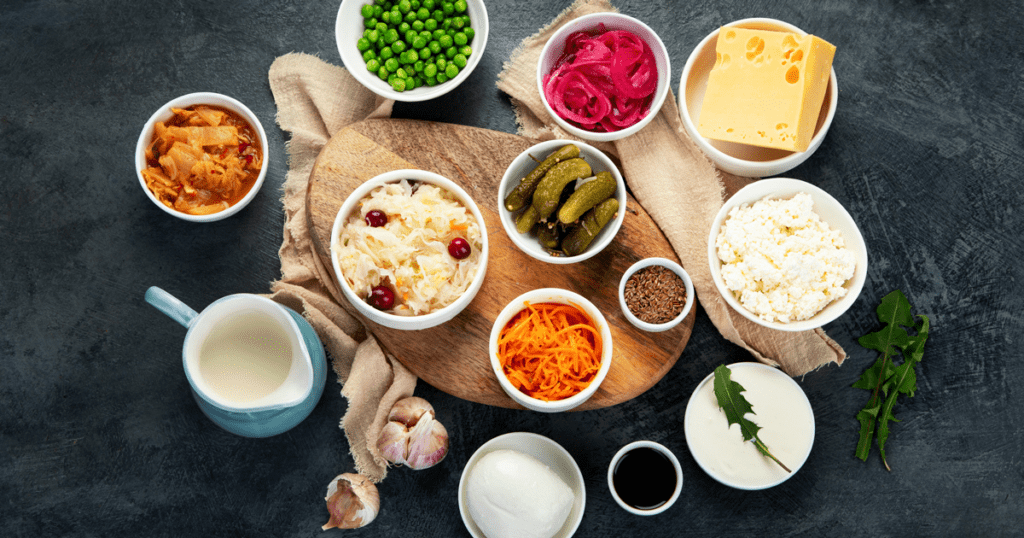
Probiotics are live beneficial bacteria found in fermented foods, while prebiotics are the fibers that feed them. Together, they improve microbiome diversity, strengthen immune function, and support a balanced gut ecosystem. A daily intake of both ensures your gut stays resilient, helps prevent digestive discomfort, and positively affects mood through the gut brain axis.
Key Points:
- Probiotic Foods: Yogurt, kefir, kimchi, sauerkraut, and miso help replenish good bacteria.
- Prebiotic Foods: Garlic, onions, asparagus, oats, and bananas support bacterial growth.
- Daily Balance: Including both consistently leads to stronger microbiome support and digestive resilience.
4. Practice Mindful Eating
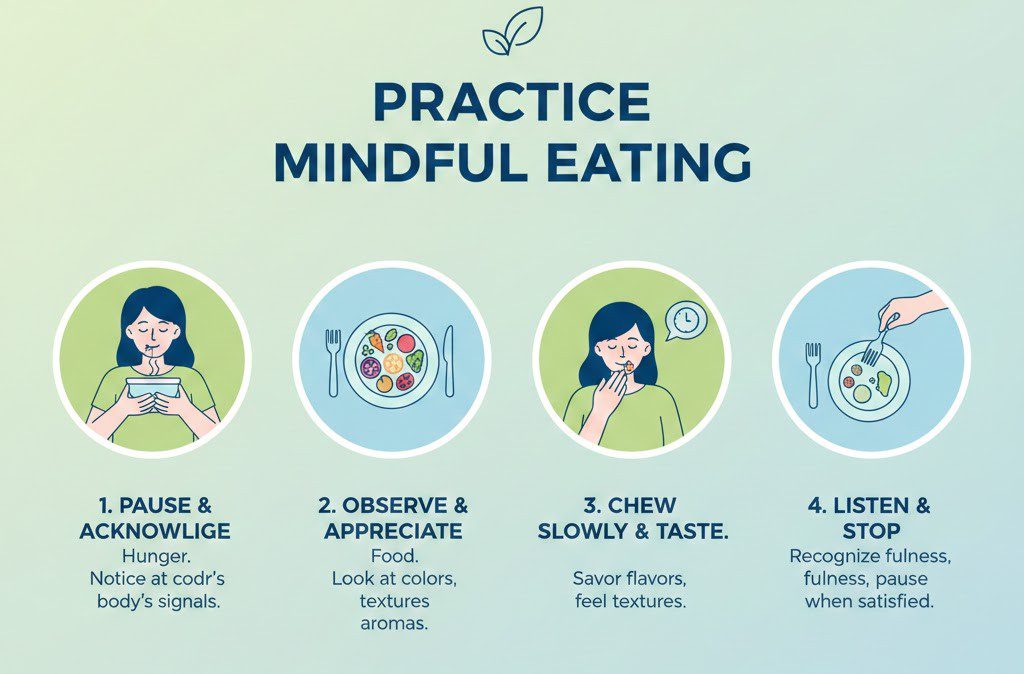
Mindful eating involves focusing on your meal, chewing thoroughly, and avoiding distractions like phones or TV. This practice improves digestion by giving the body time to release digestive enzymes, enhances nutrient absorption, reduces bloating, and prevents overeating. Mindful eating also fosters better communication between the gut and brain, supporting emotional and physical well being.
Key Points:
- Slow Eating: Proper chewing reduces digestive workload and improves nutrient breakdown.
- Reduced Distractions: Avoid screens to help your body recognize fullness signals.
- Improved Gut Brain Connection: Mindful meals enhance digestion and emotional well being.
5. Exercise Regularly

Regular physical activity is not only good for cardiovascular health but also for the gut. Movement improves gut motility, enhances microbial diversity, and lowers stress hormone levels. Exercise supports the gut brain connection, helping to regulate mood and cognitive function, while also reducing constipation and digestive sluggishness.
Key Points:
- Daily Movement: Walking or light cardio for 20-30 minutes promotes healthy digestion.
- Yoga and Stretching: Reduces stress and supports abdominal organ function.
- Long Term Benefits: Regular exercise lowers inflammation and supports gut resilience.
6. Manage Stress Effectively

Chronic stress disrupts the gut microbiome, slows digestion, and increases inflammation. Incorporating stress management techniques into your daily routine improves gut function, stabilizes mood, and supports immune function. Activities like meditation, journaling, deep breathing, or short nature breaks can help your nervous system relax and promote a healthier gut environment.
Key Points:
- Relaxation Techniques: Meditation and deep breathing calm the nervous system.
- Emotional Release: Journaling helps process stress and prevents gut-related symptoms.
- Routine Breaks: Short mental breaks reduce stress related digestive issues.
7. Prioritize Quality Sleep

Sleep is critical for hormone balance, gut microbiome health, and inflammation control. A consistent sleep schedule allows your body to repair and regenerate, ensuring that both digestion and cognitive function remain optimal. Poor sleep disrupts gut bacteria, slows metabolism, and can negatively affect mood, highlighting its vital role in maintaining a healthy gut.
Key Points:
- Sleep Schedule: Keep consistent bedtime and wake up time.
- Sleep Environment: Dark, quiet, and cool rooms improve rest.
- Nighttime Fluids: Avoid large fluid intake before bed to prevent digestive stress.
8. Smart Snacking
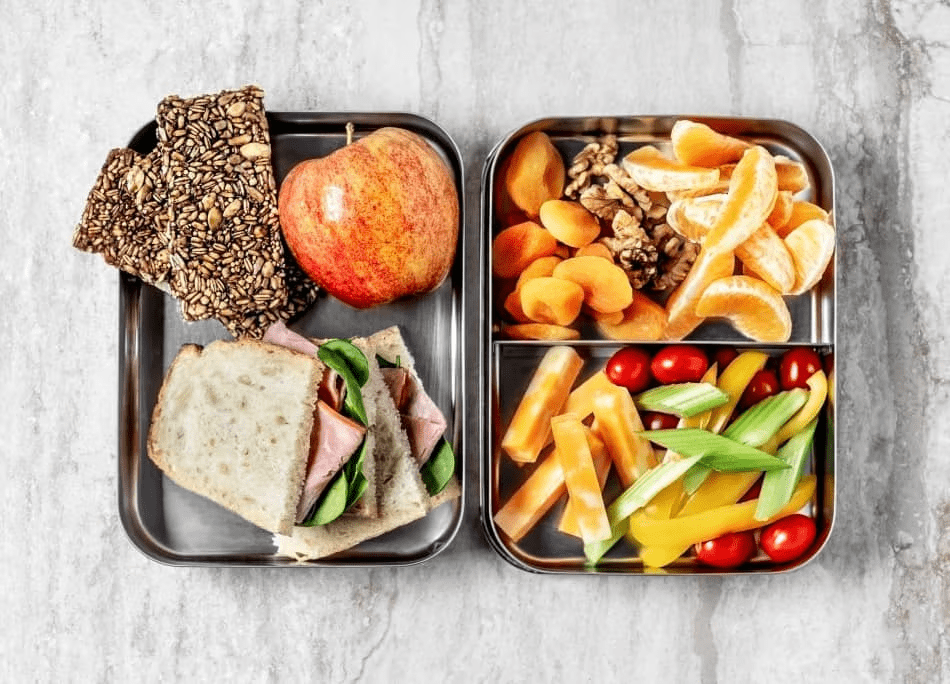
Nutritious snacks play an important role in maintaining steady energy levels and supporting gut health between meals. Choosing gut friendly snacks helps stabilize blood sugar, prevents overeating at main meals, and supplies beneficial nutrients that nourish the gut microbiome. Smart snacking also reduces digestive strain by avoiding highly processed foods that disrupt gut bacteria and trigger inflammation.
Key Points:
- Fiber-Rich Options: Fresh fruits, vegetables, and whole food snacks provide dietary fiber that feeds beneficial gut bacteria, supports bowel regularity, and promotes a balanced microbiome.
- Healthy Fats and Protein: Nuts, seeds, yogurt, and nut butters slow digestion, improve satiety, and help maintain stable blood sugar while supporting digestive health.
- Avoid Ultra Processed Snacks: Processed foods high in sugar, refined carbs, and additives can promote harmful bacteria growth and increase gut inflammation, weakening overall gut function.
- Balanced Snack Timing: Eating snacks at consistent times helps regulate digestion and prevents excessive hunger that can lead to poor food choices.
9. Reduce Processed Foods and Sugar

Highly processed foods and excess sugar can disrupt the balance of gut bacteria, promote inflammation, and weaken digestive function over time. These foods often lack fiber and nutrients while feeding harmful microbes that crowd out beneficial bacteria. Reducing processed foods supports microbiome diversity, improves digestion, and helps maintain stable energy and mood.
Key Points:
- Limit Added Sugars: Sugary snacks, desserts, and sweetened drinks feed harmful bacteria and increase gut inflammation.
- Choose Whole Foods: Vegetables, fruits, whole grains, legumes, and lean proteins support healthy digestion and microbiome balance.
- Read Food Labels: Avoid products with artificial additives, preservatives, and refined ingredients that strain gut health.
- Gradual Reduction: Slowly cutting back on processed foods makes the habit sustainable and easier to maintain long term.
10. Be Consistent
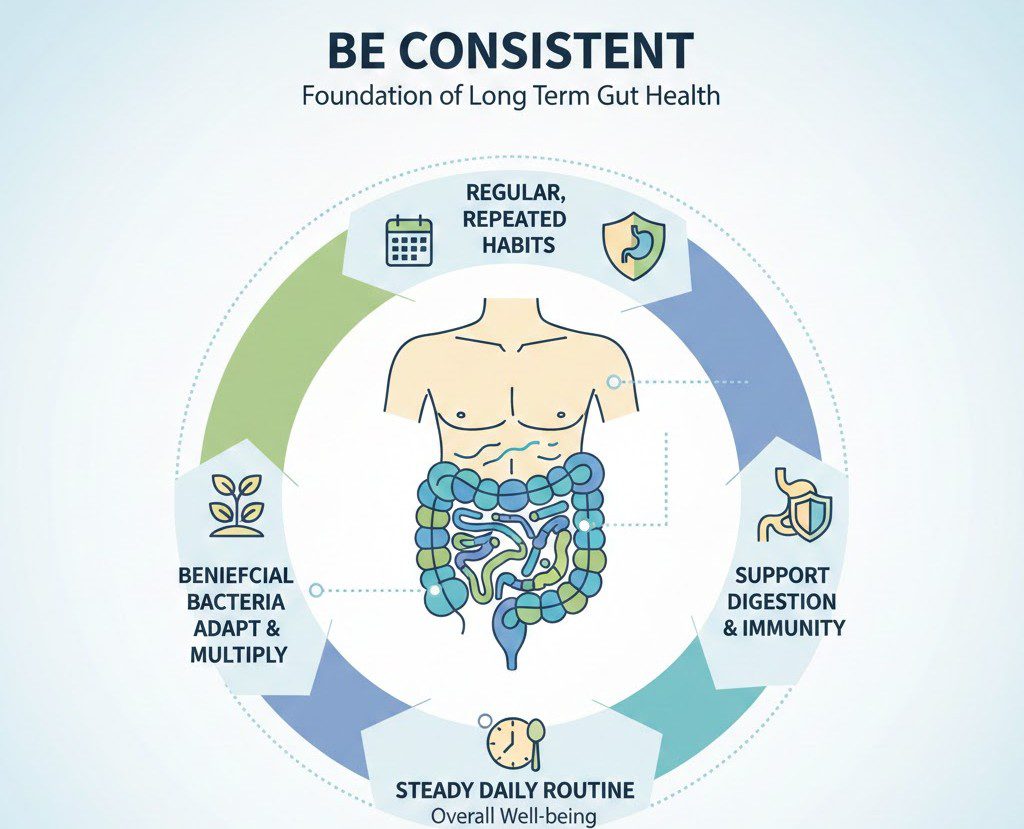
Consistency is the foundation of long term gut health. The gut microbiome responds best to regular, repeated habits rather than occasional changes. Following a steady daily routine allows beneficial bacteria to adapt, multiply, and support digestion, immunity, and overall well being more effectively.
Key Points:
- Daily Habits Matter: Small actions practiced consistently have a greater impact than short-term extreme changes.
- Routine Builds Balance: Eating, sleeping, and exercising at regular times helps regulate digestion and gut rhythms.
- Track Your Progress: Noticing improvements in digestion, energy, and mood reinforces healthy habits.
- Sustainable Lifestyle: A realistic, flexible routine ensures long-lasting gut health benefits without burnout.
Lifestyle Habits That Strengthen Gut Health
Gut health is shaped not only by what you eat, but also by how you live each day. Daily lifestyle choices influence digestion, inflammation levels, stress hormones, and the balance of gut bacteria. Adopting supportive habits helps the gut microbiome thrive, improves nutrient absorption, and strengthens the gut brain connection. When practiced consistently, these habits promote long term digestive wellness and overall health. Key Lifestyle Habits Include:
- Manage Daily Stress: Chronic stress disrupts gut bacteria and slows digestion. Practices like meditation, deep breathing, journaling, or spending time outdoors calm the nervous system and protect gut health.
- Prioritize Quality Sleep: Sleep allows the gut lining and microbiome to repair and rebalance. Maintaining a consistent sleep schedule supports digestion, hormone regulation, and microbial diversity.
- Stay Physically Active: Regular movement improves gut motility, reduces inflammation, and increases beneficial bacteria. Activities like walking, yoga, stretching, or light cardio support a healthy digestive rhythm.
- Practice Mindful Eating: Eating slowly and without distractions improves digestion, enhances nutrient absorption, and strengthens gut brain communication.
- Maintain Hydration: Drinking enough water throughout the day supports digestion, prevents constipation, and helps maintain a healthy gut lining.
- Create Routine and Consistency: Regular meal times, sleep schedules, and activity patterns help regulate digestion and keep gut function stable.
Daily Gut Health Checklist You Can Follow
Following a simple daily checklist makes gut care easier and more consistent. Instead of focusing on perfection, this gut health routine helps you build steady daily digestive habits that support your microbiome, improve digestion, and promote long term wellness. Use this checklist as a quick daily reminder to maintain a gut friendly lifestyle.
- Drink water after waking up to activate digestion and rehydrate the body
- Eat a fiber rich breakfast with fruits, whole grains, or oats to support gut bacteria
- Include probiotics or fermented foods such as yogurt, kefir, or kimchi
- Add prebiotic foods like bananas, garlic, onions, or oats to feed good bacteria
- Eat mindfully by chewing slowly and avoiding distractions during meals
- Move your body with at least 20-30 minutes of walking, stretching, or light exercise
- Manage stress daily through deep breathing, meditation, or short breaks
- Stay hydrated throughout the day to support digestion and prevent constipation
- Choose gut friendly snacks like fruits, nuts, seeds, or yogurt
- Limit processed foods and added sugar to protect microbiome balance
- Maintain regular meal times to support digestive rhythm
- Get quality sleep (7-9 hours) to allow gut repair and microbiome balance
Conclusion
A simple daily routine plays a powerful role in improving gut health and overall well being. Because the gut influences digestion, immunity, energy levels, mood, and mental clarity, maintaining a balanced microbiome through consistent daily habits is essential. Practices such as proper hydration, eating fiber rich and probiotic foods, mindful eating, regular physical activity, stress management, and quality sleep work together to support smooth digestion, reduce inflammation, and strengthen the gut-brain connection. Limiting processed foods and sugar while choosing gut friendly snacks further protects beneficial bacteria and enhances nutrient absorption. When followed consistently, this easy daily routine helps stabilize digestion, boost immunity, improve energy and focus, and promote long term gut health through a sustainable, gut friendly lifestyle.
FAQs
How long does it take to improve gut health?
You may notice better digestion and more energy within 2-4 weeks of following a consistent routine. Long term benefits like improved immunity and mood can take several months of sustained healthy habits.
Are supplements necessary for gut health?
Supplements aren’t always required if you eat a balanced diet rich in fiber, fruits, vegetables, and fermented foods. They can help if your diet lacks sufficient nutrients or probiotics.
What is the most important habit for gut health?
Consistency is the key. Regular hydration, fiber intake, probiotics, stress management, and quality sleep work together to maintain a balanced gut and smooth digestion.
Can poor sleep affect my gut?
Yes, inadequate sleep can disrupt gut bacteria, slow digestion, and increase inflammation. Maintaining 7-9 hours of sleep supports microbiome balance and overall digestive health.
How does stress affect digestion?
Chronic stress slows digestion and alters gut bacteria, potentially causing bloating or discomfort. Daily stress management practices, like meditation or deep breathing, help protect gut health.
Should I take probiotics daily?
Eating probiotic rich foods like yogurt, kefir, or kimchi daily helps maintain a balanced microbiome. This supports healthy digestion, immunity, and overall gut resilience.
Can exercise improve gut health?
Yes, regular physical activity improves gut motility, supports microbial diversity, and reduces stress. Walking, yoga, or light cardio are effective ways to boost digestive health.
What foods should I avoid?
Limit processed foods, added sugars, refined carbs, and artificial additives. These foods feed harmful bacteria, promote inflammation, and weaken overall gut function.
Is mindful eating important?
Yes, eating slowly and without distractions improves digestion and nutrient absorption. Mindful meals also strengthen gut brain communication and prevent overeating.
Can everyone follow this routine?
Yes, people of all ages can adopt these habits, adjusting portions and activity levels to their health needs. Consistency and gradual changes are key to long term benefits.
References
- 4 Ways to Improve Gut Health & Reduce Inflammation. (n.d.). National Gaucher Foundation. Retrieved December 24, 2025, from https://www.gaucherdisease.org/blog/4-ways-to-improve-gut-health-naturally/?gad_source=1&gad_campaignid=637849905&gbraid=0AAAAADgjPs1vbbdIv8iQ1iJ3FmwKCyaPy&gclid=CjwKCAiAmKnKBhBrEiwAaqAnZ5B7roMSV4UXXmKxqYdNgdx5HGxP4dKHeZLEEYZET2yrqYudOJhYJxoChnQQAvD_BwE
- How to Improve Gut Health Naturally. (n.d.). Bali International Hospital. Retrieved December 24, 2025, from https://bih.id/articles/how-to-improve-gut-health-naturally
- Improve Gut Health: Simple Ways to Keep Your Digestive System Healthy Manipal Hospitals. (2025, December 15). Manipal Hospitals. Retrieved Decemeber 24, 2025, from https://healthcare.utah.edu/healthfeed/2025/08/simple-steps-improve-gut-health-and-feel-your-best
- Manipal HospitalsImprove Gut Health: Simple Ways to Keep Your Digestive System Healthy. (n.d.). Manipal Hospitals. Retrieved Decemeber 24, 2025, from https://www.manipalhospitals.com/delhi-ncr/blog/improve-gut-health-simple-daily-habits/
- Warner, L., & Shmerling, R. H. (2025, February 20). 5 simple ways to improve gut health. Harvard Health. Retrieved December 24, 2025, from https://www.health.harvard.edu/staying-healthy/5-simple-ways-to-improve-gut-health

Dr. Emily Zhang, MD, is a gastroenterologist and integrative medicine specialist with 10 years of clinical experience in digestive health and microbiome science. She completed her medical degree at University of Chicago Pritzker School of Medicine and fellowship at Massachusetts General Hospital. Dr. Zhang specializes in gut-brain interactions, microbiota diversity, and nutrition-driven gut repair. She has contributed to NIH-funded studies on probiotics and authored patient education resources on functional gut disorders.